Handwriting improvement Normal Letter Recognition Worksheets for 6-Year-Olds
3 filtered results
-
From - To
Discover our engaging Handwriting Improvement Normal Letter Recognition Worksheets designed specifically for 6-year-olds! These worksheets aim to enhance your child’s letter recognition skills while promoting proper handwriting techniques. Packed with fun activities, kids will learn to identify letters and improve their motor skills. Our resources provide a hands-on approach that encourages practice in a playful way, making it an enjoyable learning experience. Suitable for parents and teachers, these worksheets are perfect for building a strong foundation in literacy. Watch your child's confidence flourish as they master letter recognition and develop essential handwriting skills! Get started today and foster a love for learning!
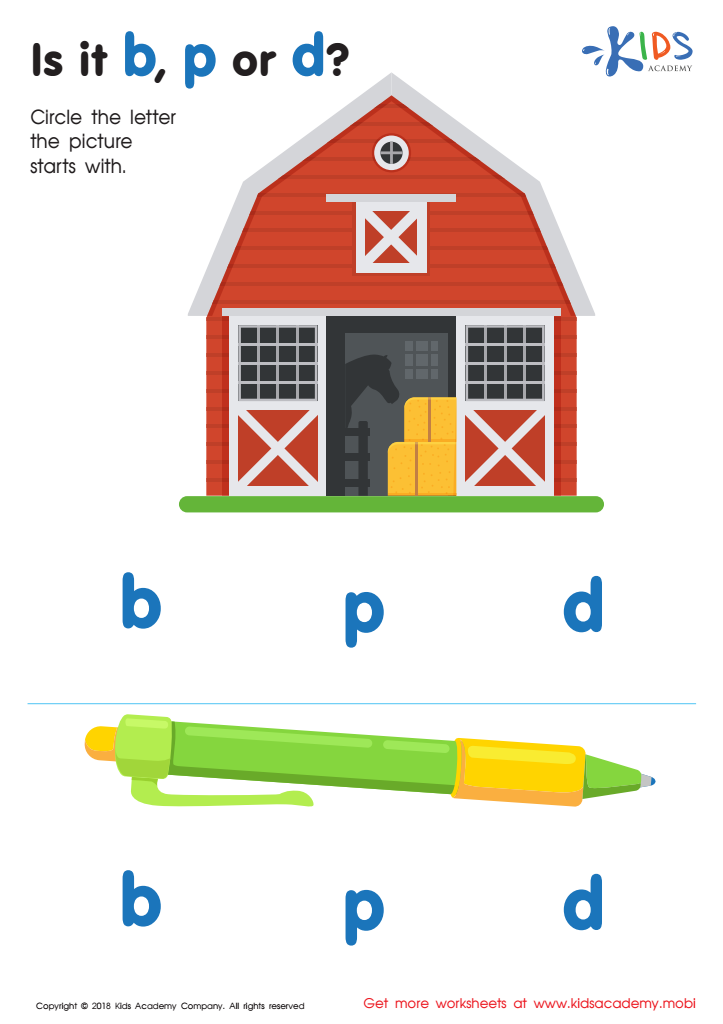
Is it b, p or d? Worksheet
 Assign to My Students
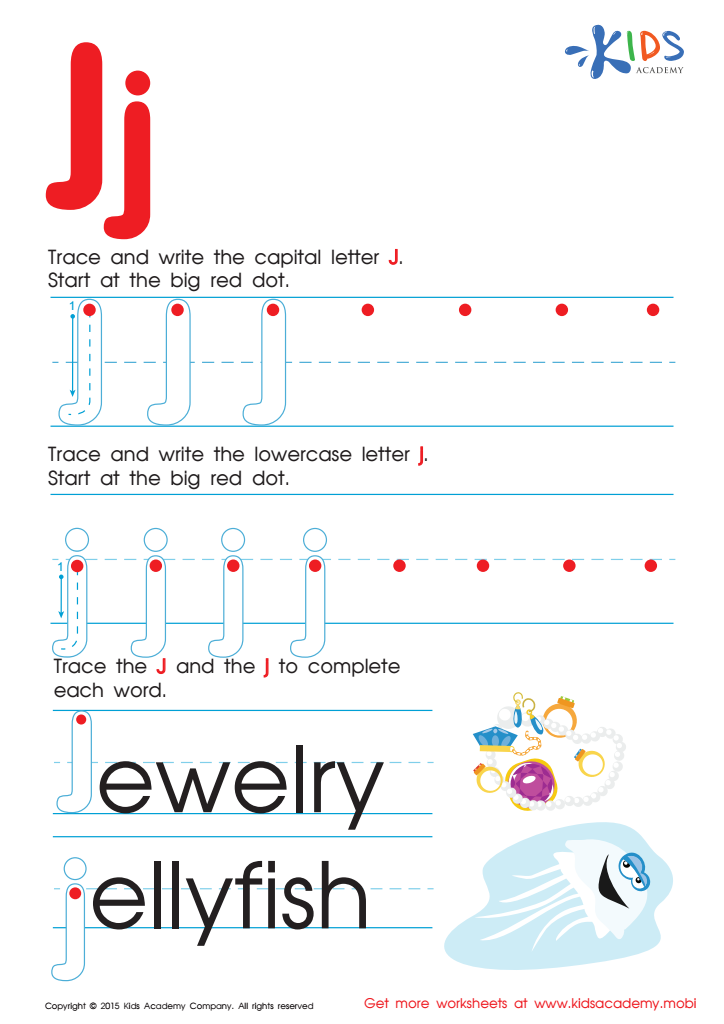
Letter J Tracing Page
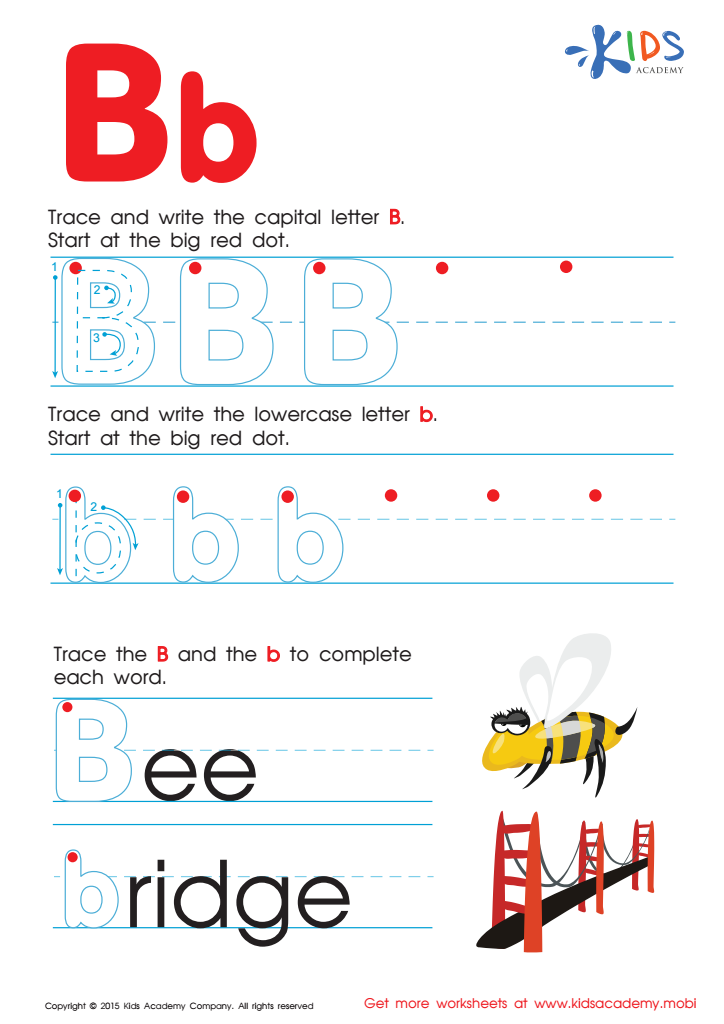
Letter B Tracing Page








Handwriting improvement and normal letter recognition are crucial milestones in a 6-year-old's educational journey. At this age, children are honing fine motor skills, which are essential not only for writing but also for other tasks requiring dexterity. Improved handwriting enhances their ability to express thoughts clearly and creatively; clear writing positively influences their academic performance and self-esteem.
Furthermore, normal letter recognition plays a vital role in early literacy development. When children quickly and accurately recognize letters, they become more adept at reading and spelling, laying the groundwork for higher-level language skills. Recognizing letters also supports phonemic awareness, which is critical in developing reading proficiency.
Teachers and parents should collaborate to create an enriching environment that promotes practice and improvement in these areas. Engaging activities, such as interactive games and art projects, can make learning enjoyable while significantly boosting skills. Early intervention is essential because handwriting difficulties can lead to frustration and disengagement. By focusing on handwriting improvement and letter recognition, we equip children for academic success and help them foster a love of learning, setting a solid foundation for their future educational endeavors. Investing time and effort into these skills pays off in a child's confidence and overall development.








