Reading comprehension Normal Letter Recognition Worksheets for 6-Year-Olds
6 filtered results
-
From - To
Enhance your 6-year-old's reading skills with our engaging Reading Comprehension Normal Letter Recognition Worksheets! Designed specifically for early learners, these worksheets combine letter recognition with fun comprehension activities. Each exercise encourages children to connect letters with sounds while fostering their understanding of simple words and sentences. Our worksheets are perfect for reinforcing the alphabet through interactive tasks that keep young minds active and excited about learning. With colorful illustrations and appealing formats, your child will enjoy developing their reading capabilities in a supportive environment. Explore our collection to make reading enjoyable and effective for your little ones!
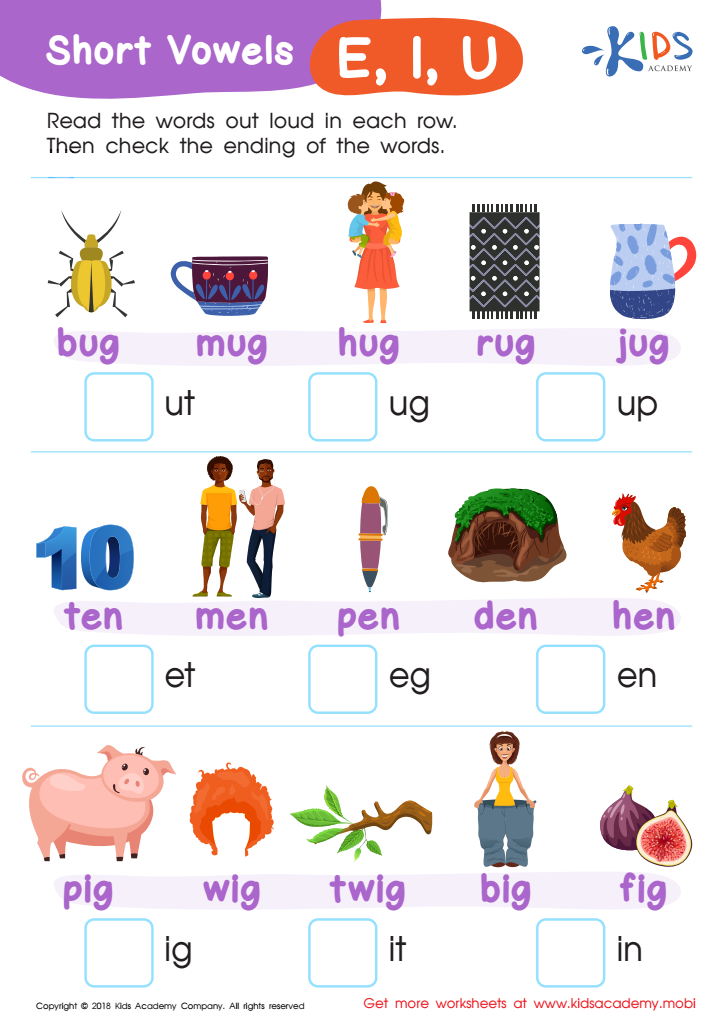
Short Vowels /e/, /i/, and /u/ Worksheet
 Assign to My Students
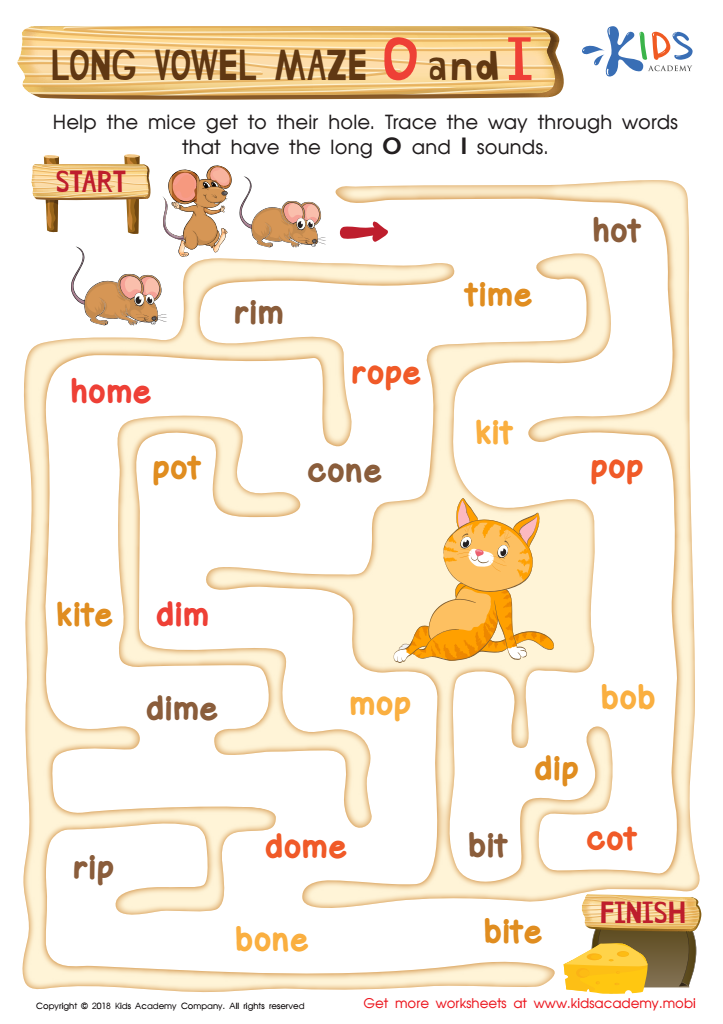
Long Vowel Maze /o/ and /i/ Worksheet
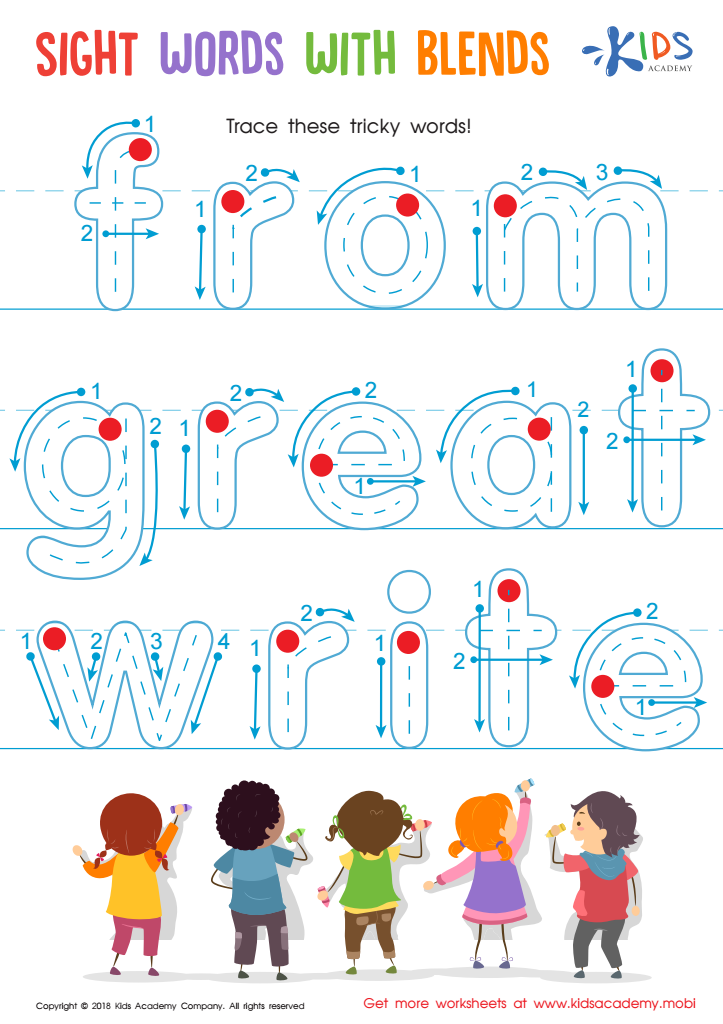
Sight Words with Blends Worksheet
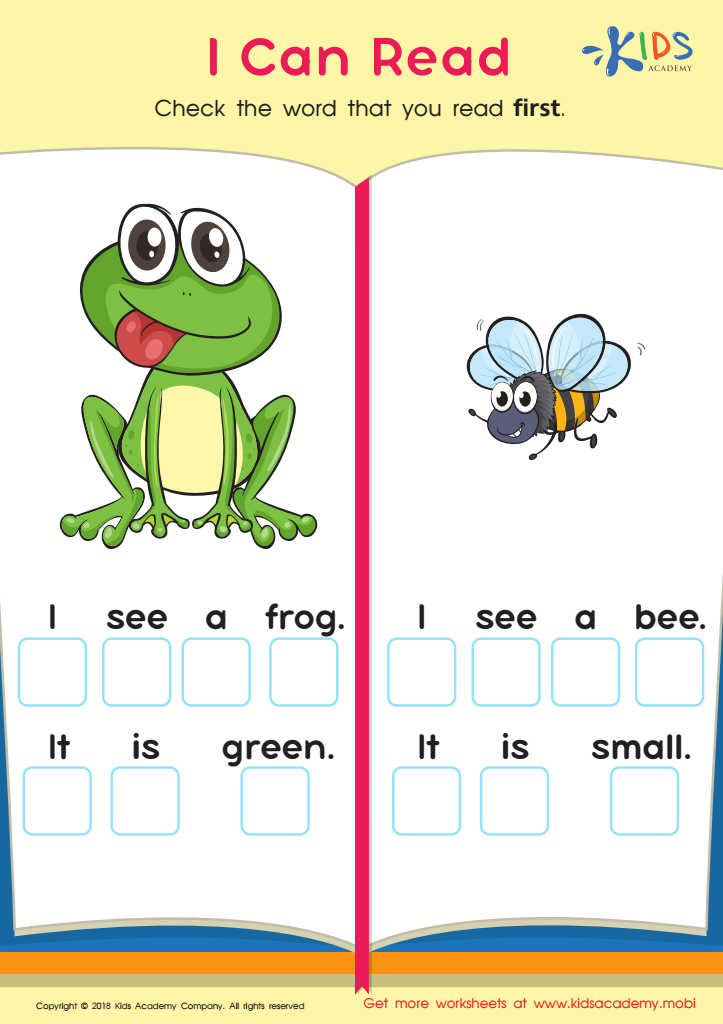
I Can Read Worksheet
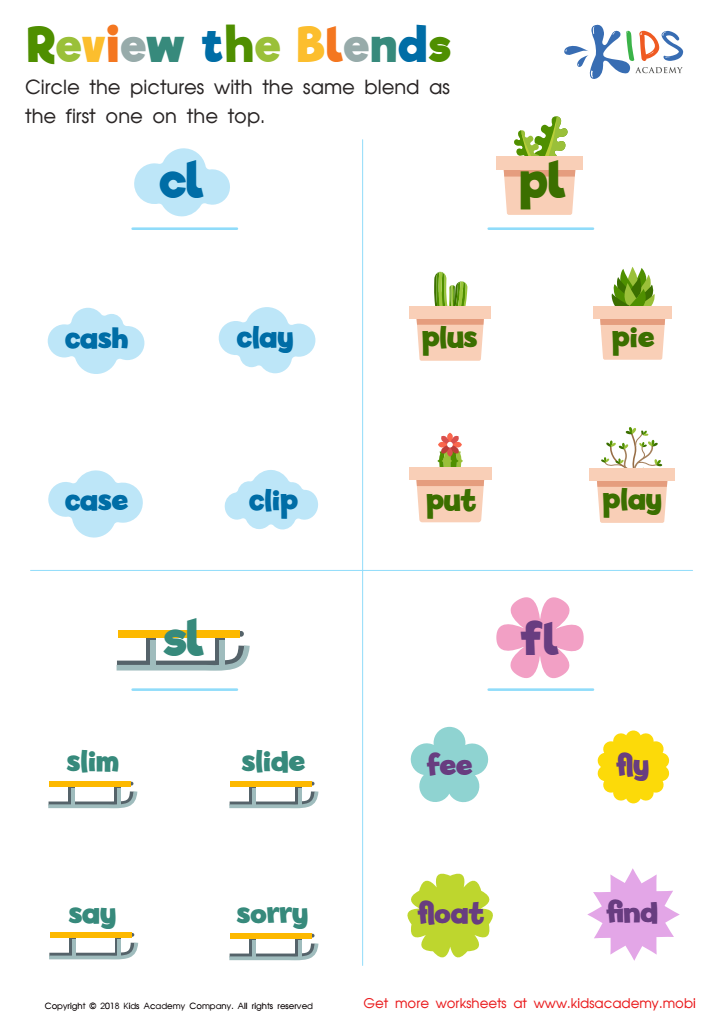
Review the Blends Worksheet
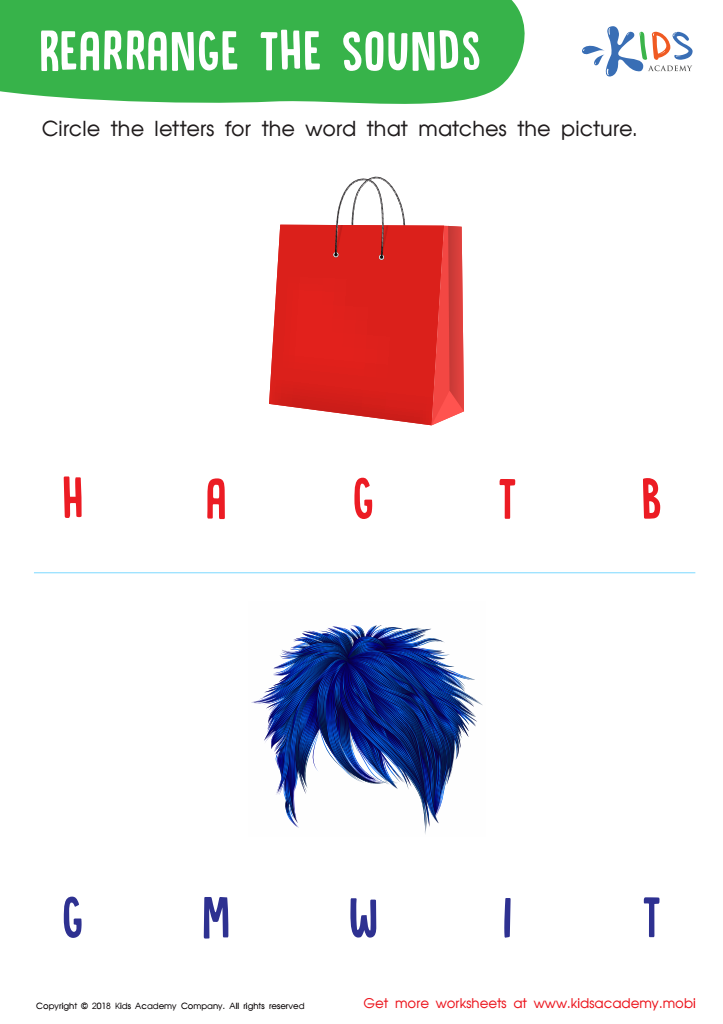
Rearrange the Sounds Worksheet








Reading comprehension and letter recognition are crucial skills for 6-year-olds, impacting their overall educational journey and future success. At this age, children are transitioning from learning to read to reading to learn, making strong literacy foundations vital. Letter recognition forms the basis for reading; when children can easily identify letters, they can decode words and understand grammar and sentence structure.
Furthermore, reading comprehension is essential for critical thinking and the ability to engage with various texts. When students can understand and process what they read, they develop a greater love for reading and can connect literature to their own lives and experiences. This allows them to grasp more complex ideas and enhances their vocabulary.
Parents and teachers should actively support these skills because they are linked to cognitive development and academic performance across subjects. Early investment in reading abilities prepares children for future literacy demands, ensuring that they do not fall behind their peers. By fostering a positive reading environment, incorporating playful learning activities, and encouraging discussions about stories, adults can help instill confidence and instigate a lifelong love for reading, setting their children on a path to success in school and beyond.








