Writing practice Normal Letter Recognition Worksheets for 6-Year-Olds
6 filtered results
-
From - To
Explore our engaging "Writing Practice Normal Letter Recognition Worksheets" designed specifically for 6-year-olds! These worksheets provide a fun and interactive way for young learners to enhance their letter recognition and writing skills. Each worksheet focuses on specific letters of the alphabet, encouraging children to practice tracing and writing both uppercase and lowercase letters. Bright and colorful designs capture their attention, making learning enjoyable. Ideal for home or classroom use, these resources support early literacy development, fine motor skills, and a love for writing. Help your child build a strong foundation in literacy with our specially crafted worksheets today!
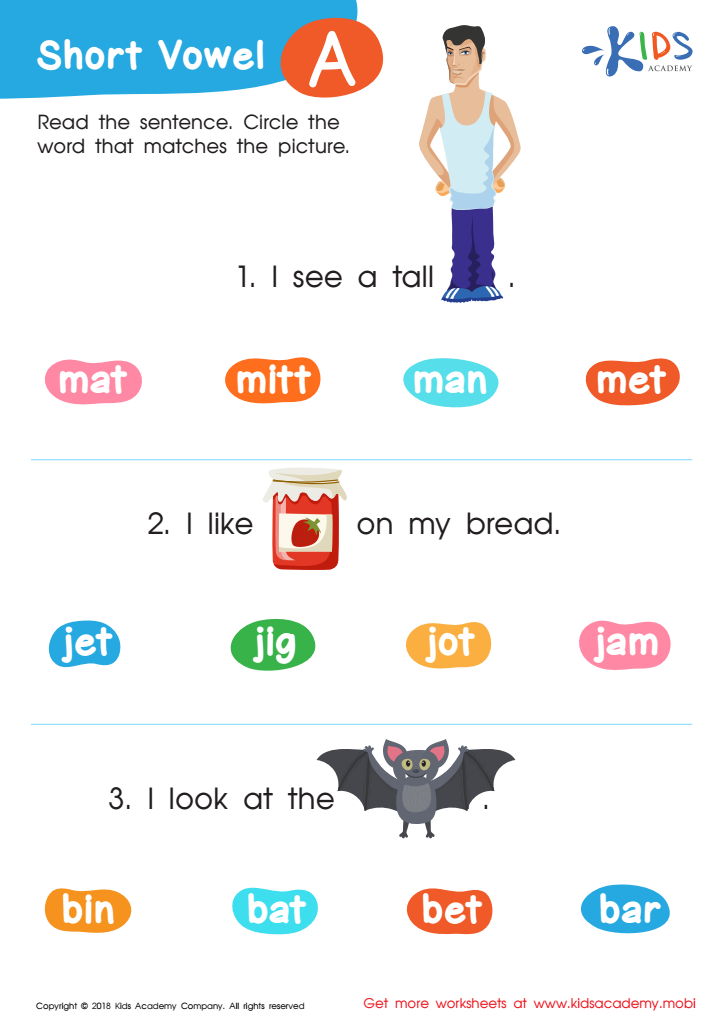
Short Vowel /a/ Worksheet
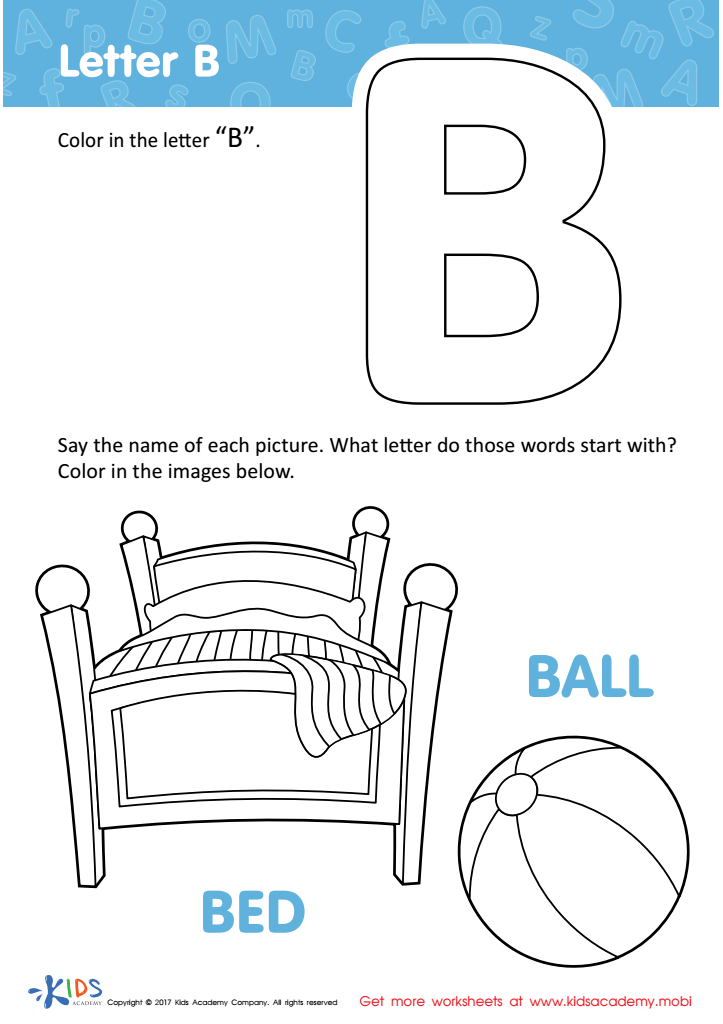
Letter B Coloring Sheet
 Assign to My Students
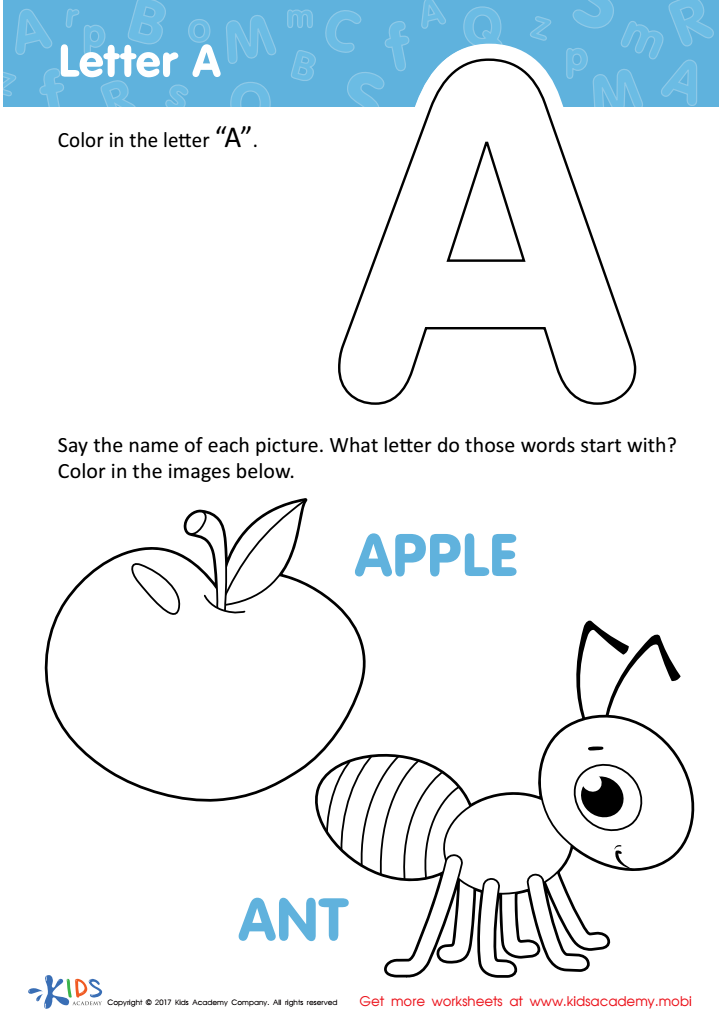
Letter A Coloring Sheet
Assign to My Students

Letter H Tracing Page
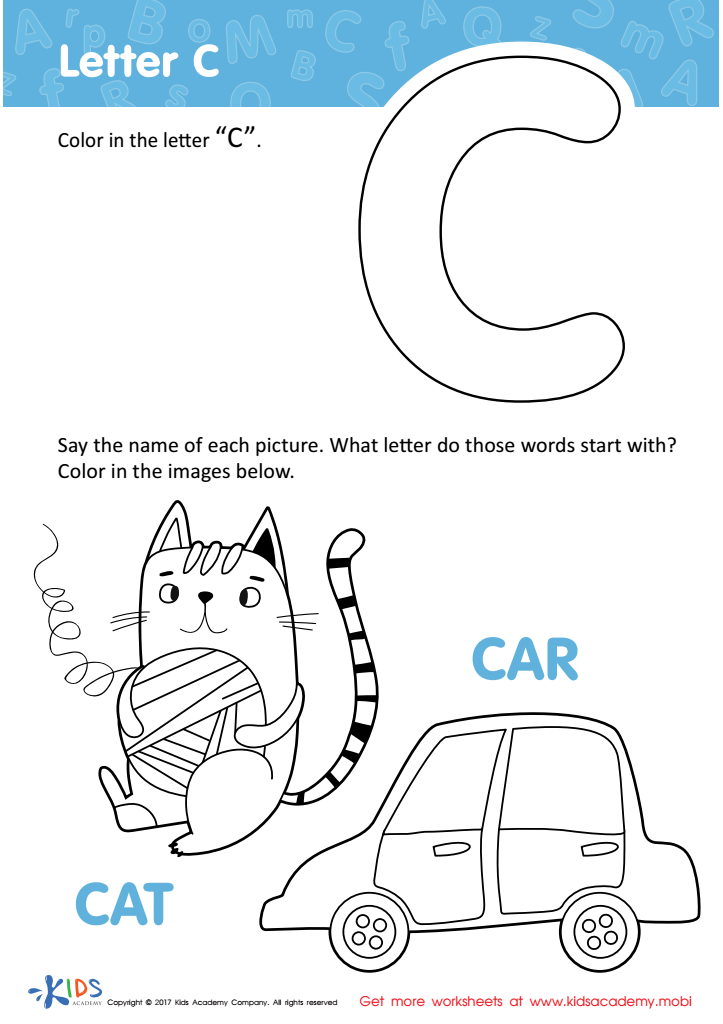
Letter C Coloring Sheet
Assign to My Students
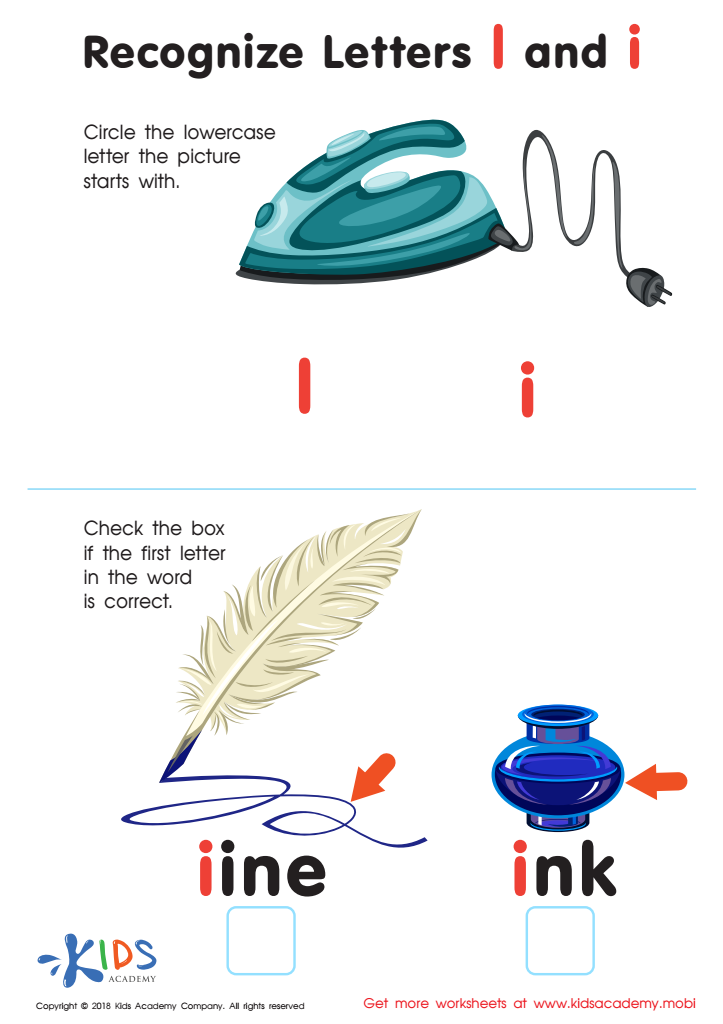
Recognize Letters l and i Worksheet








Parents and teachers should prioritize writing practice and normal letter recognition for 6-year-olds because these skills form the foundation for effective communication and literacy development. At this age, children's brains are exceptionally receptive, making it a critical period for establishing strong language skills. Recognizing and writing letters helps children understand the structure of language, enabling them to read and write more effectively as they progress in their education.
Engaging in writing practice enhances fine motor skills, as kids learn to control pencils and crayons, thereby improving their hand-eye coordination. This is essential not only for writing but for other academic tasks as well. Furthermore, writing letters reinforces phonemic awareness, which allows children to connect sounds with symbols, facilitating early reading skills.
By focusing on letter recognition, children gain confidence in their abilities, fostering a love for learning that can last a lifetime. Additionally, this practice encourages creativity and expression, enabling children to convey their thoughts and feelings in written form. Parents and teachers play an integral role in nurturing these skills, ensuring children are well-prepared for future academic success and effective communication in their everyday lives. Prioritizing writing and letter recognition now paves the way for lifelong literacy.








