Letter Tracing Practice Normal Tracing Letters Worksheets for 6-Year-Olds
3 filtered results
-
From - To
Boost your child's writing skills with our "Letter Tracing Practice Normal Tracing Letters Worksheets" designed specifically for 6-year-olds! These worksheets offer engaging and fun ways for young learners to practice tracing uppercase and lowercase letters, enhancing their fine motor skills and letter recognition. Each worksheet is thoughtfully designed to provide plenty of space for little hands to develop control and build confidence while writing. Perfect for at-home practice or classroom sessions, these resources support your child's foundation in literacy. Explore our selection of colorful and interactive worksheets that make letter learning exciting and effective. Start tracing today and watch your child's writing flourish!
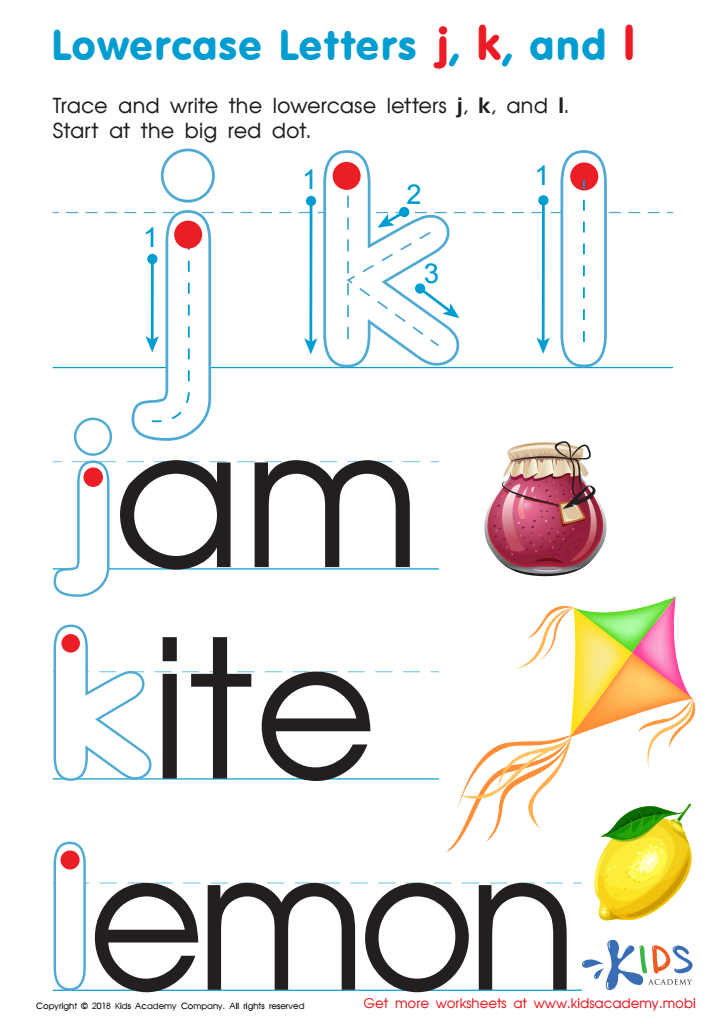
Lowercase Letters j k l Worksheet
 Assign to My Students
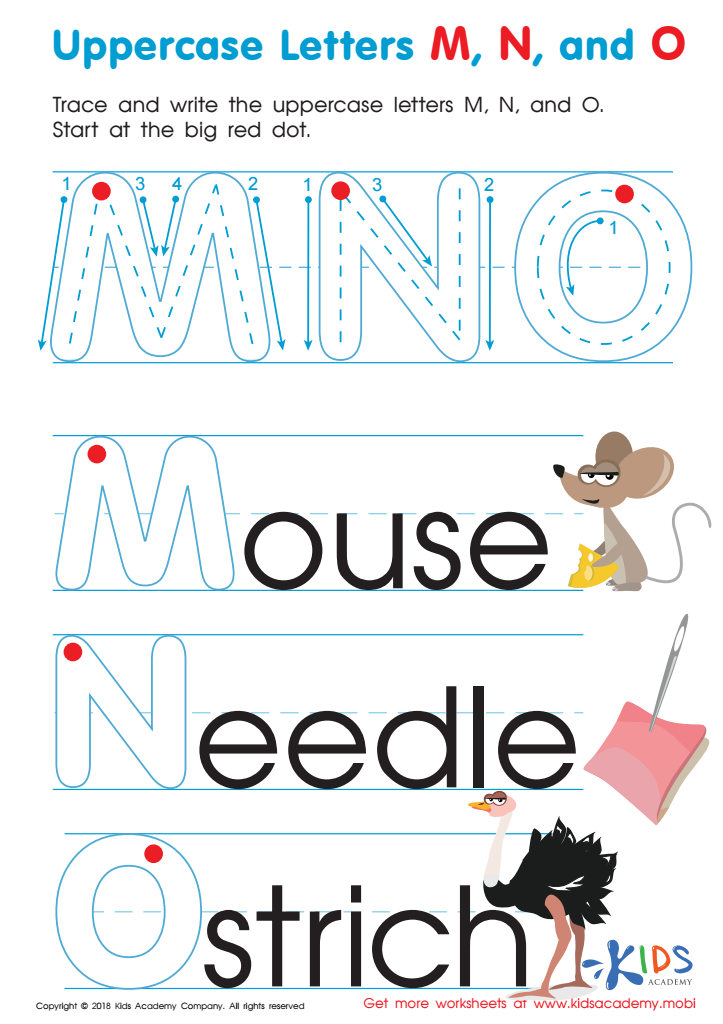
Uppercase Letters M, N, and O Worksheet
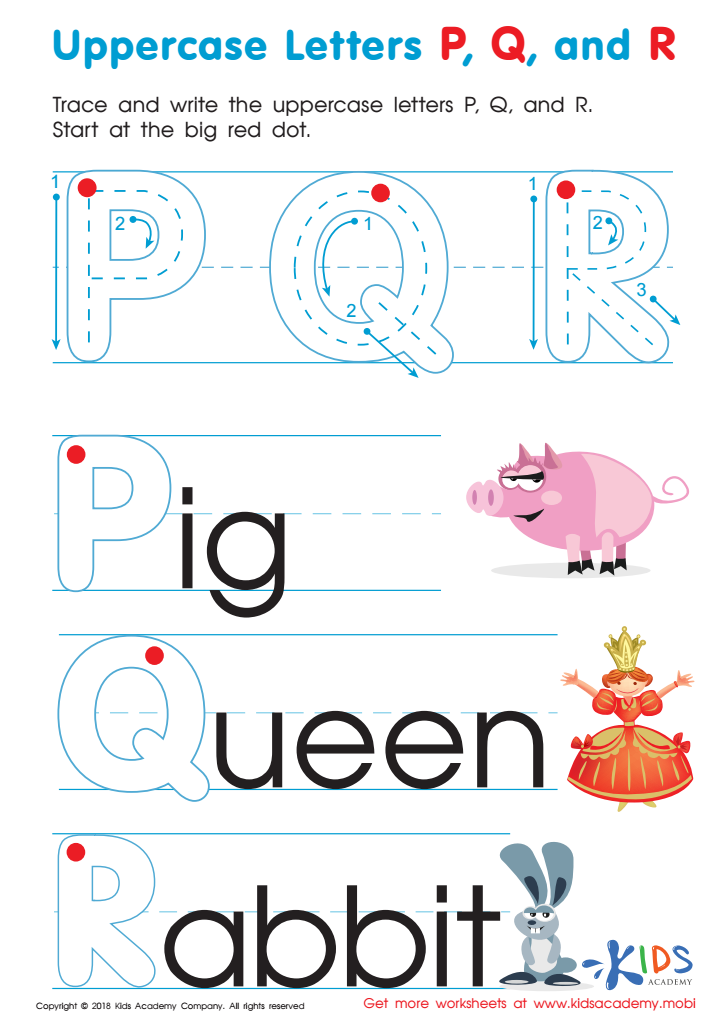
Uppercase Letters P, Q, and R Worksheet








Parents and teachers should prioritize letter tracing practice for 6-year-olds as it foundationally supports children's literacy and motor skills development. At this age, children are beginning their journey into reading and writing, making effective letter formation critical. Tracing helps them understand the shapes and strokes of each letter, promoting muscle memory and making it easier for them to write independently.
Additionally, tracing letters enhances fine motor skills, which are crucial for various tasks beyond writing, such as using scissors or tying shoelaces. As kids trace, they develop hand-eye coordination and grip strength, essential attributes for their overall coordination and dexterity.
Moreover, letter tracing can make learning fun and engaging. It often involves using colorful materials, worksheets, or interactive apps, keeping young learners motivated. By integrating tracing into daily activities, parents and teachers also create consistent opportunities for practice, reinforcing both recognition and pronunciation of letters.
In summary, letter tracing equips 6-year-olds with essential literacy skills, fosters necessary fine motor development, and engages them in a playful learning process. These benefits collectively lay a strong foundation for their academic success and everyday life skills, making it an essential aspect of early childhood education.








