Uppercase identification Normal Upper & Lowercase Letters Worksheets for 6-Year-Olds
5 filtered results
-
From - To
Discover our engaging worksheets designed for 6-year-olds to master uppercase letter identification! Our Uppercase Identification worksheets seamlessly blend fun and education, helping young learners distinguish between normal upper and lowercase letters. These resources encourage hands-on practice through vibrant visuals and interactive activities, ensuring children remain captivated while reinforcing their alphabet skills. Perfect for classrooms or at-home learning, these worksheets are tailored to support early literacy development and boost confidence in letter recognition. With a variety of exercises to choose from, kids will flourish in their understanding of the alphabet. Start your journey to reading success today!
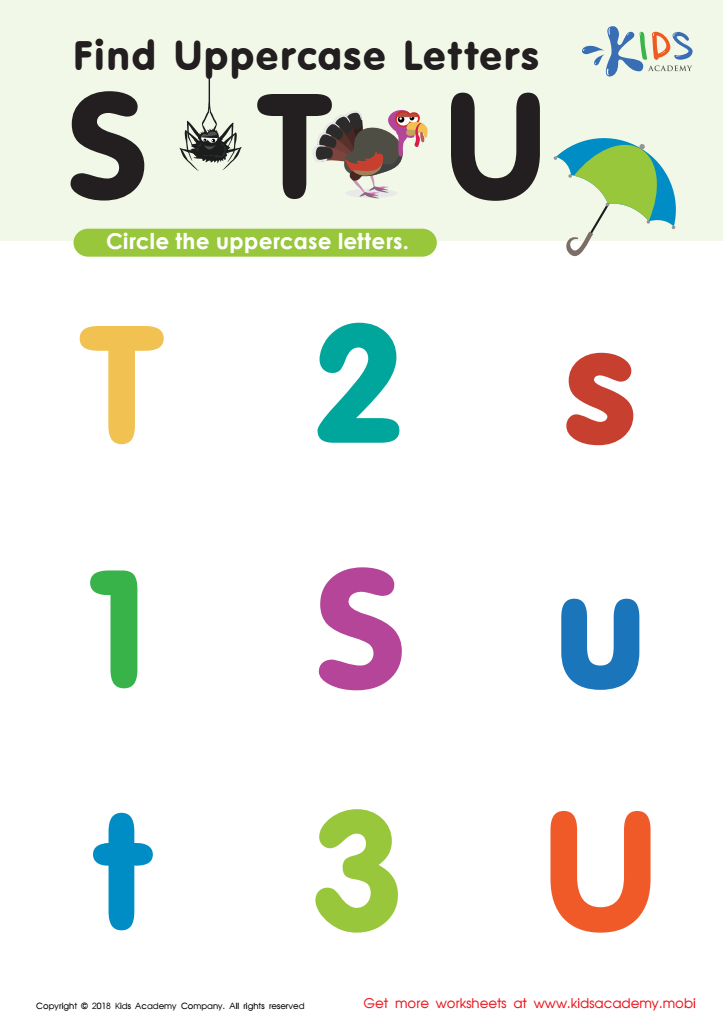
Find Uppercase Letters Worksheet
 Assign to My Students
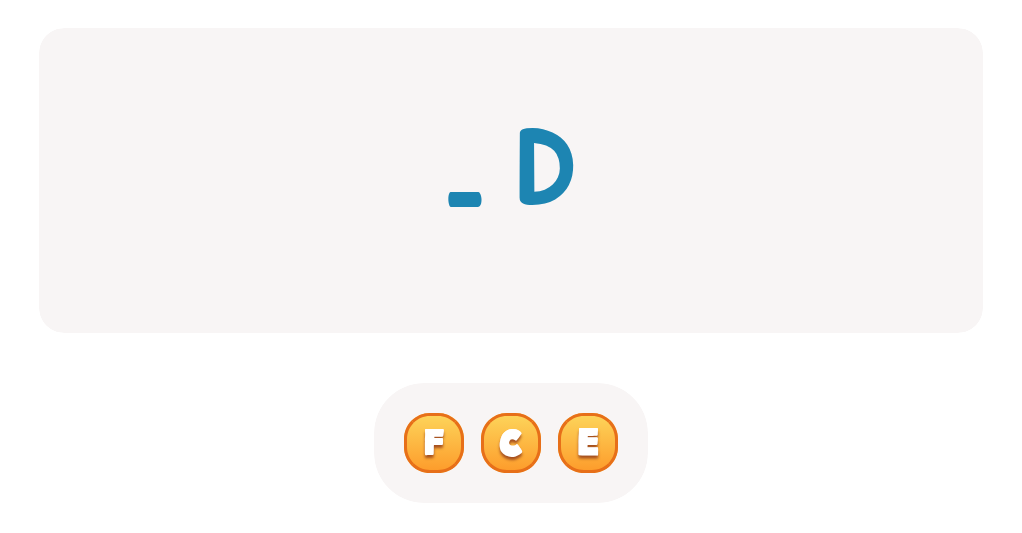

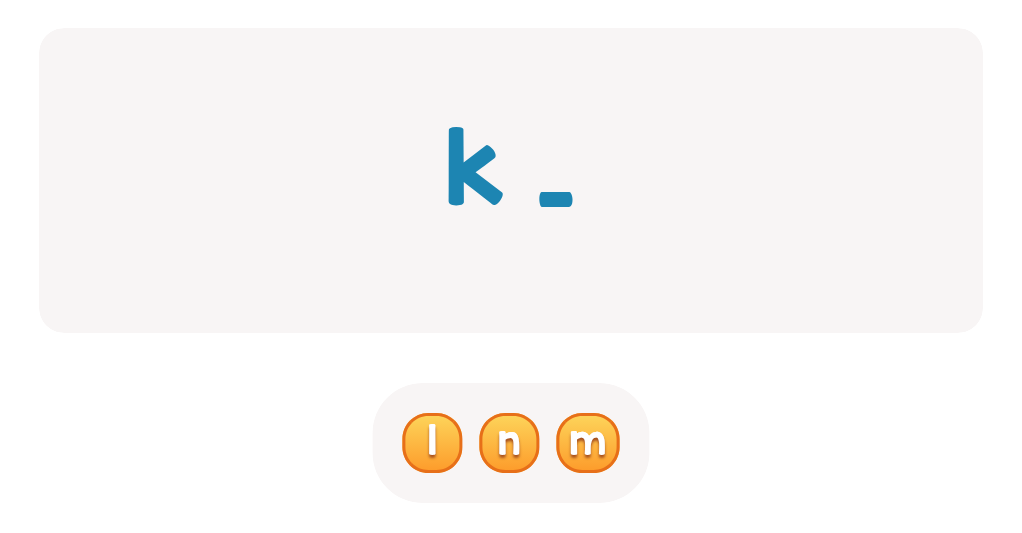
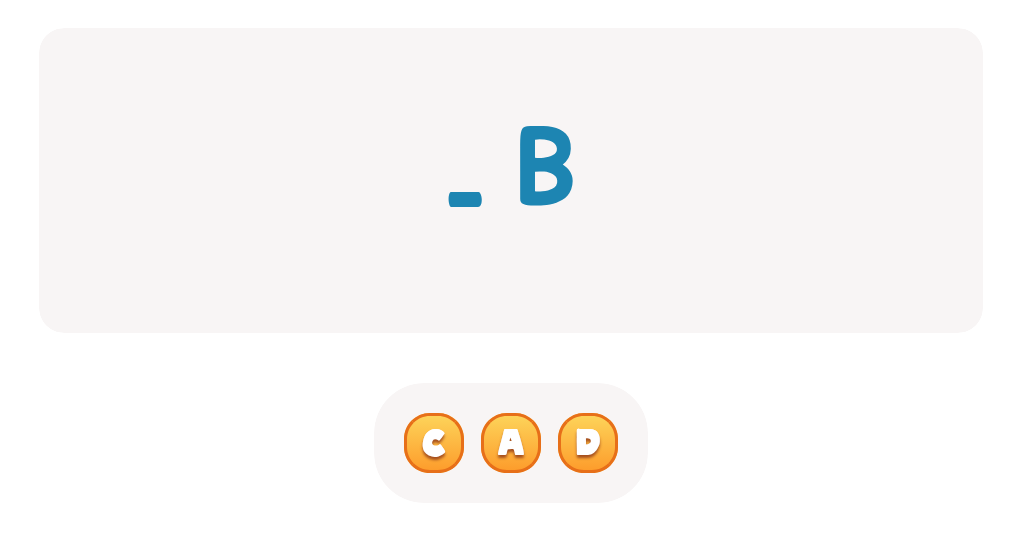
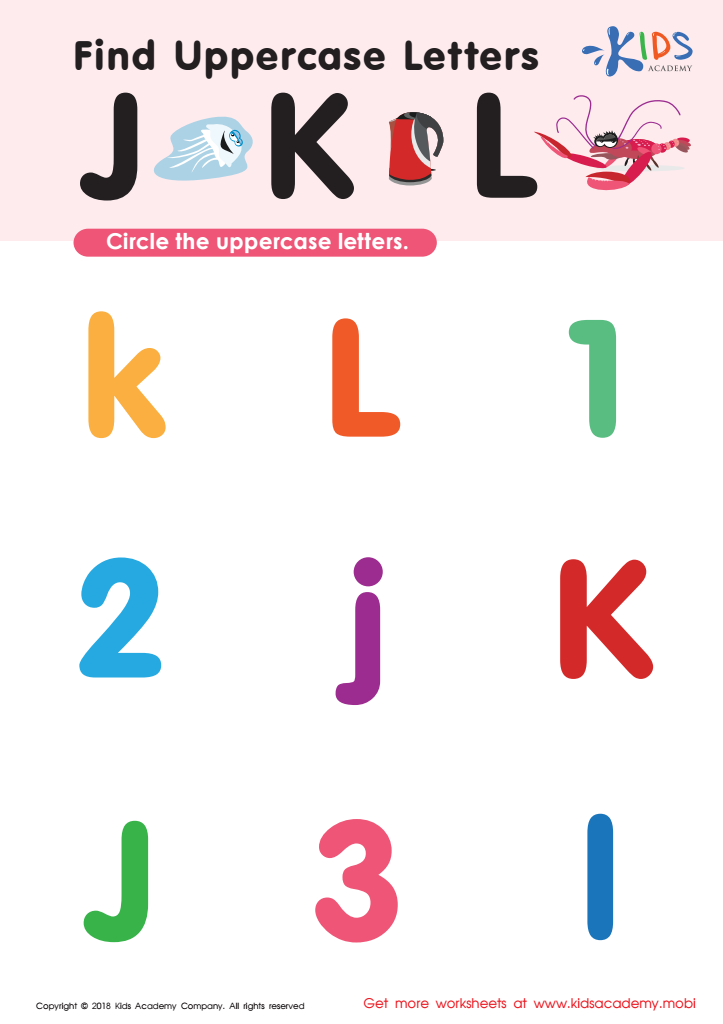
Find Uppercase Letters J, K, and L Worksheet

Find Uppercase Letters A, B, and C Worksheet
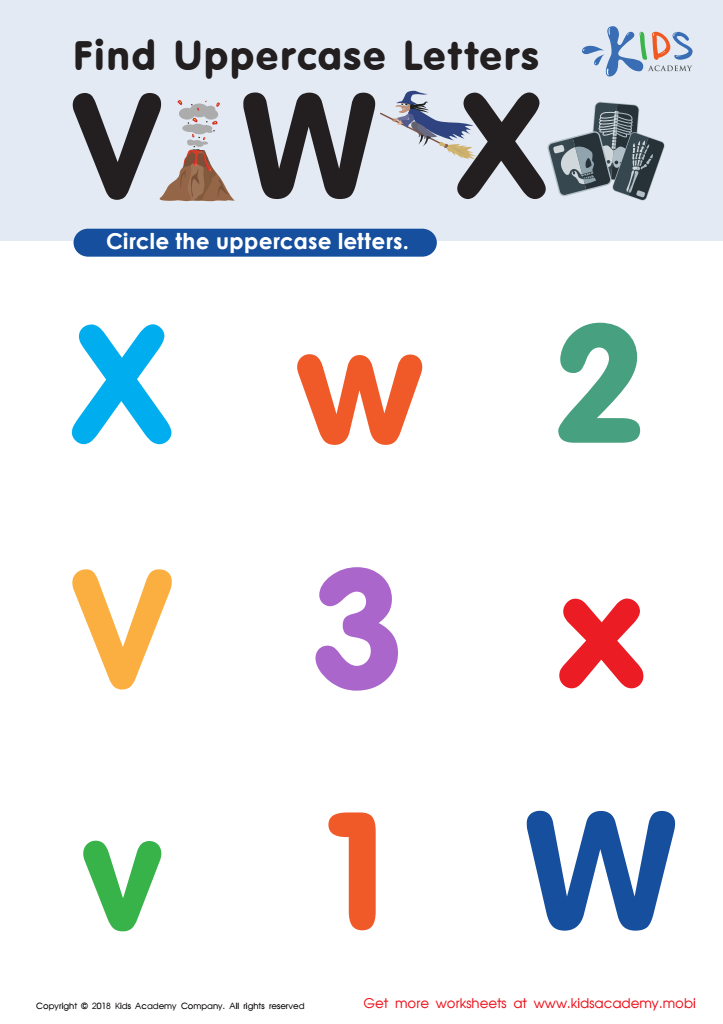
Find Uppercase Letters V, W, X Worksheet
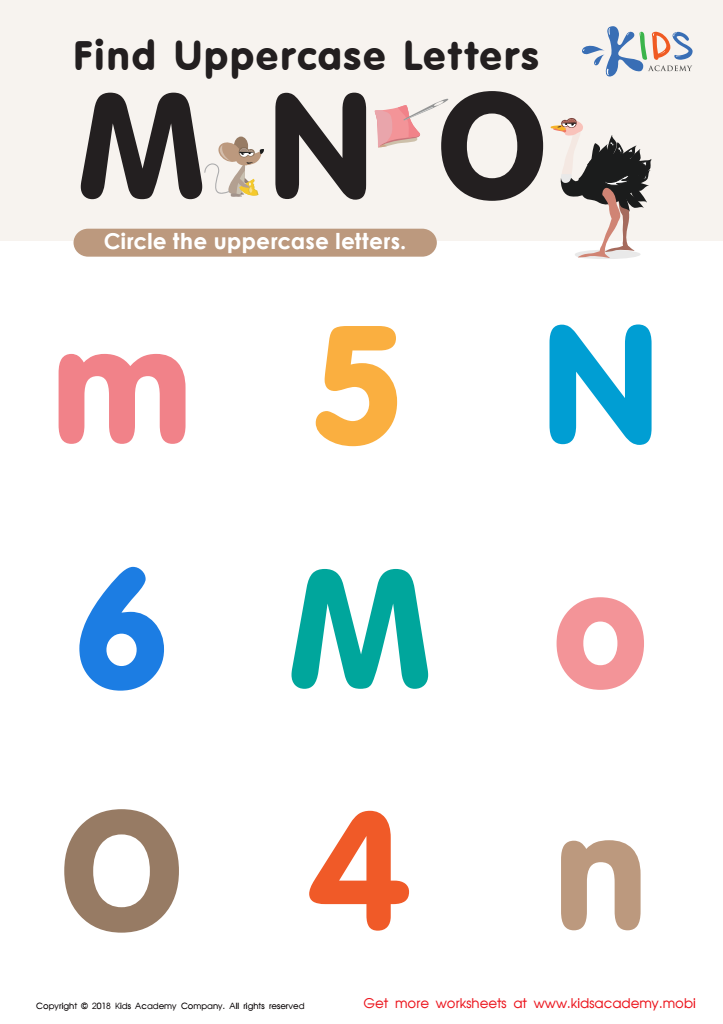
Find Uppercase Letters M, N, and O Worksheet






Understanding uppercase and lowercase letters is a fundamental skill for 6-year-olds that plays a crucial role in their literacy development. Recognition of these letters is vital for reading and writing; knowing the distinction between uppercase and lowercase letters enhances phonemic awareness, spelling, and comprehension. Uppercase letters often signal the beginning of sentences or proper nouns, guiding children in understanding text structure, which improves their reading fluency.
Furthermore, this skill facilitates language development; as children learn to identify letters, they also become more adept at recognizing words and developing their vocabulary. Mastering letter recognition equips young learners with the confidence to explore writing, enabling them to express thoughts and ideas clearly.
In social contexts, recognizing letters can enhance a child's connection with their environment—from reading signs to recognizing their name, fostering a sense of independence and curiosity. Parents and teachers play a key role in encouraging this foundational skill through playful activities and engaging learning experiences. As children become proficient in uppercase and lowercase letter identification, they build a strong foundation for literacy, paving the way for their future academic success. Thus, prioritizing this skill is essential for effective learning, growth, and self-assurance in young students.







