Number Recognition Normal Place Value Worksheets for 6-Year-Olds
5 filtered results
-
From - To
Welcome to our Number Recognition Normal Place Value Worksheets designed specifically for 6-year-olds! These engaging worksheets help young learners grasp the foundational concepts of number recognition and place value. Through interactive activities, children will confidently identify numbers and understand their value within tens and ones places. Our worksheets offer a variety of exercises that are both fun and educational, promoting critical thinking and problem-solving skills. Perfect for home or classroom use, these resources support early math skills and foster a love for learning. Explore our collection today and help your child build a strong numeracy foundation with enjoyable practice!
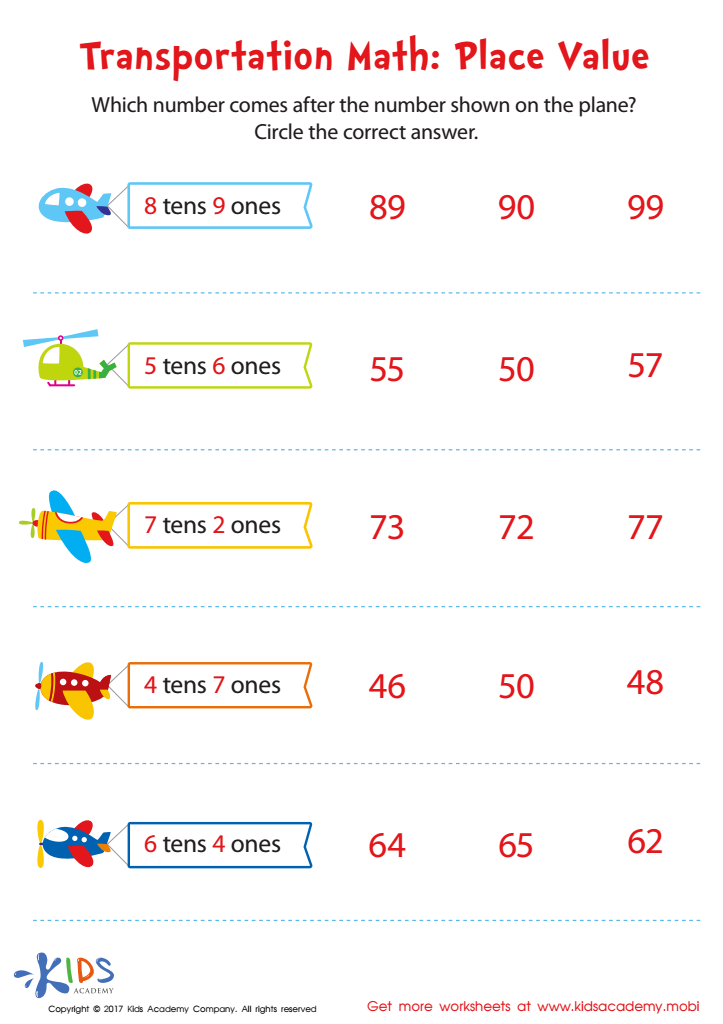
Transportation Math Printable
 Assign to My Students
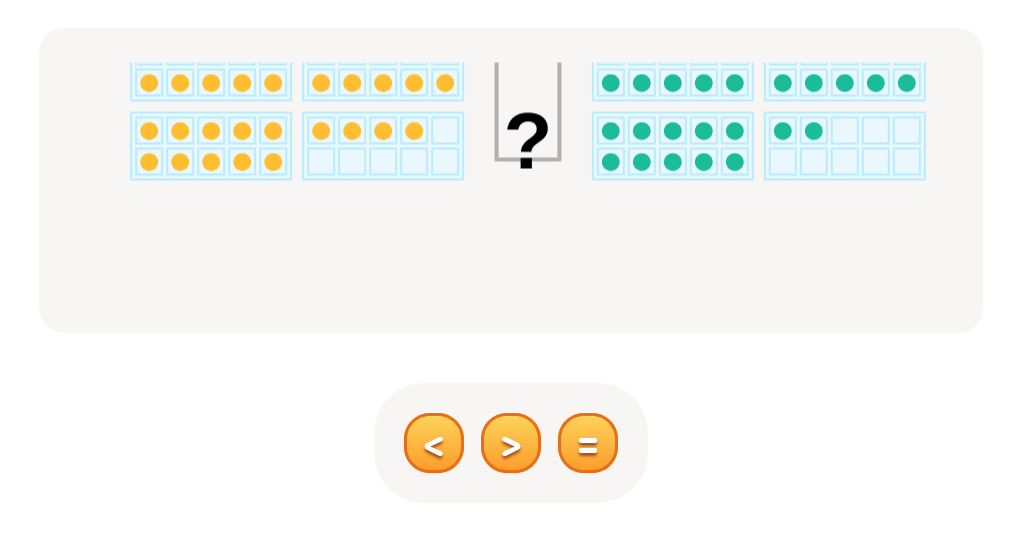

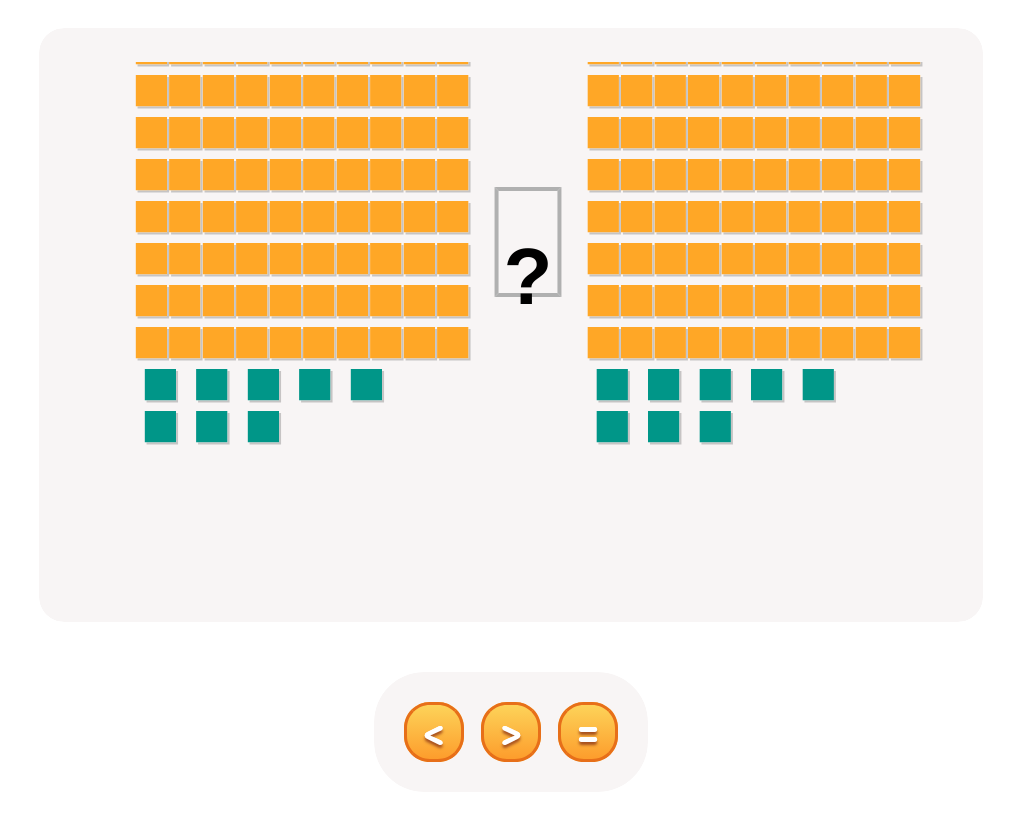
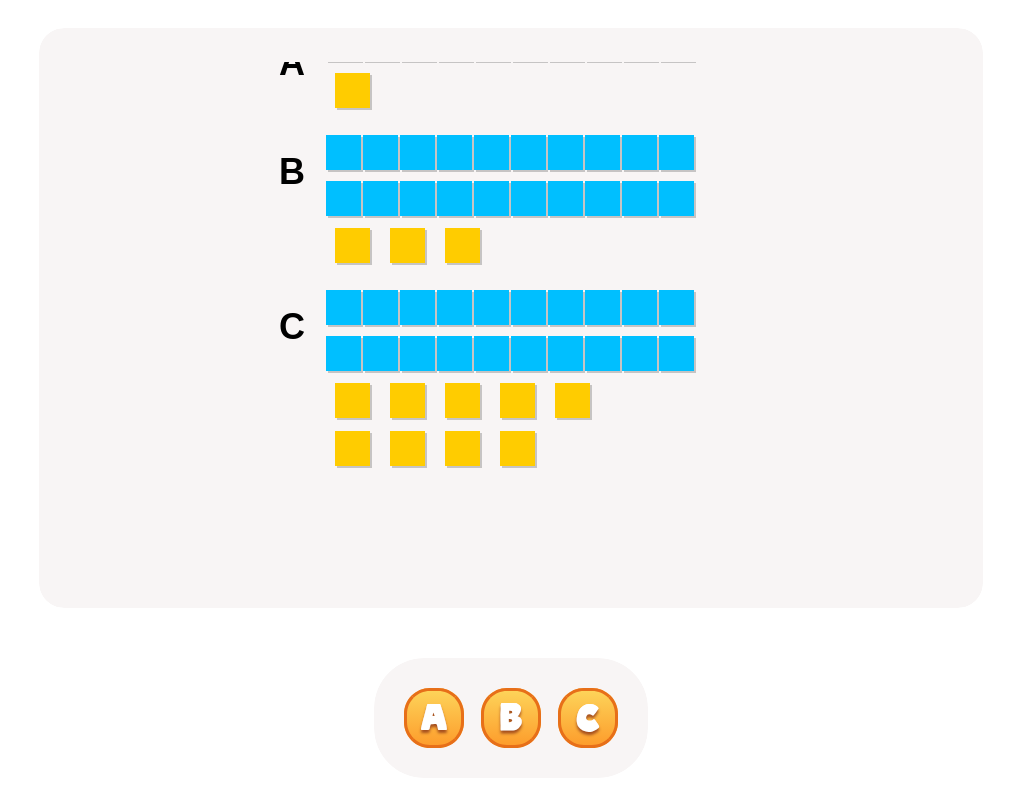
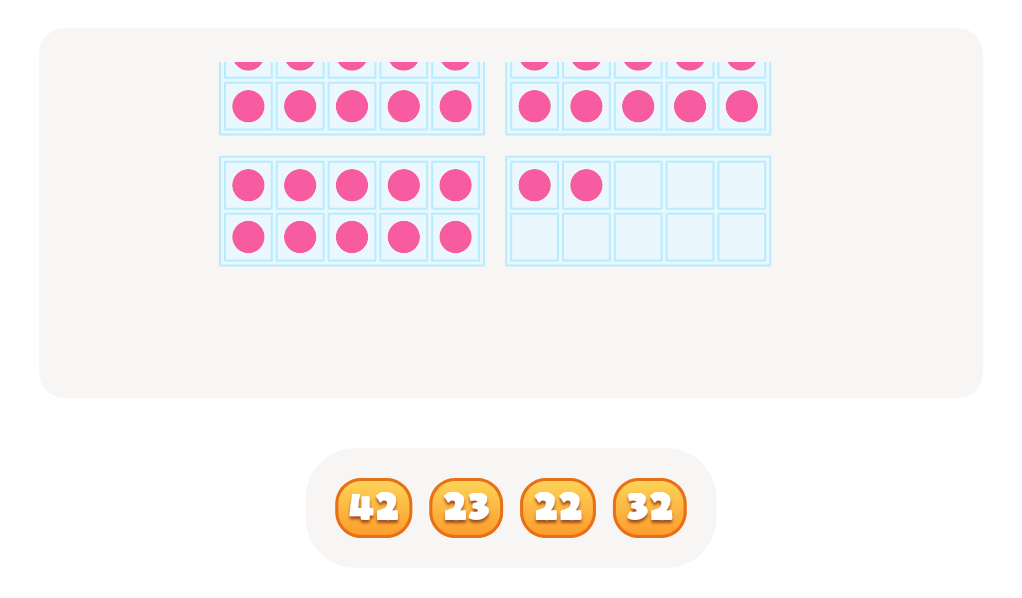
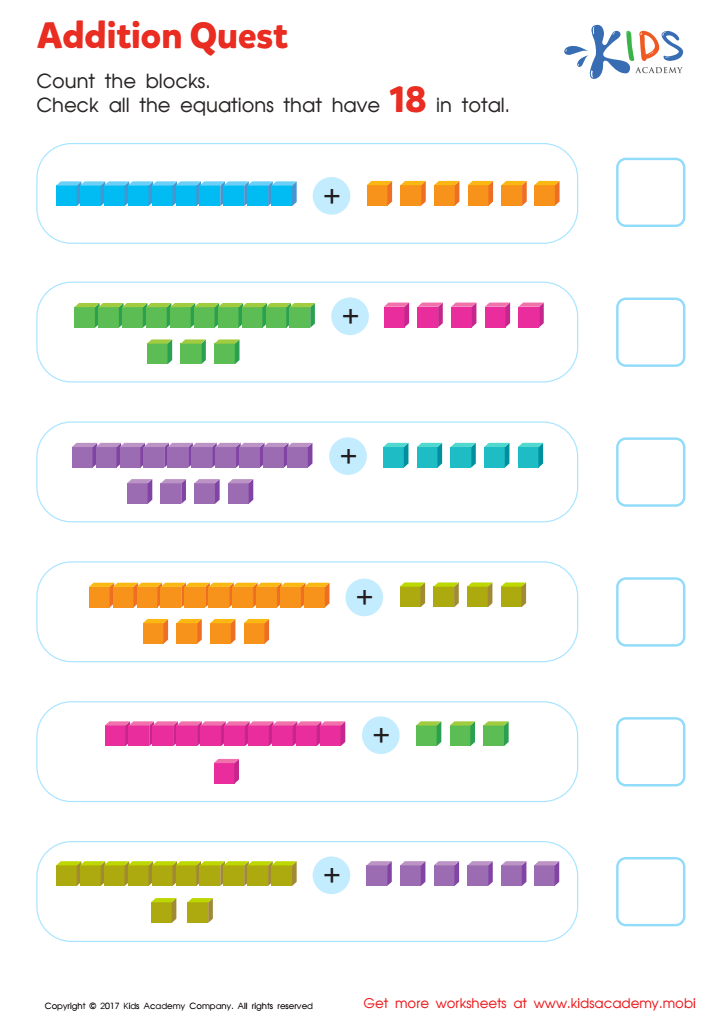
Addition Quest Worksheet: Part 2
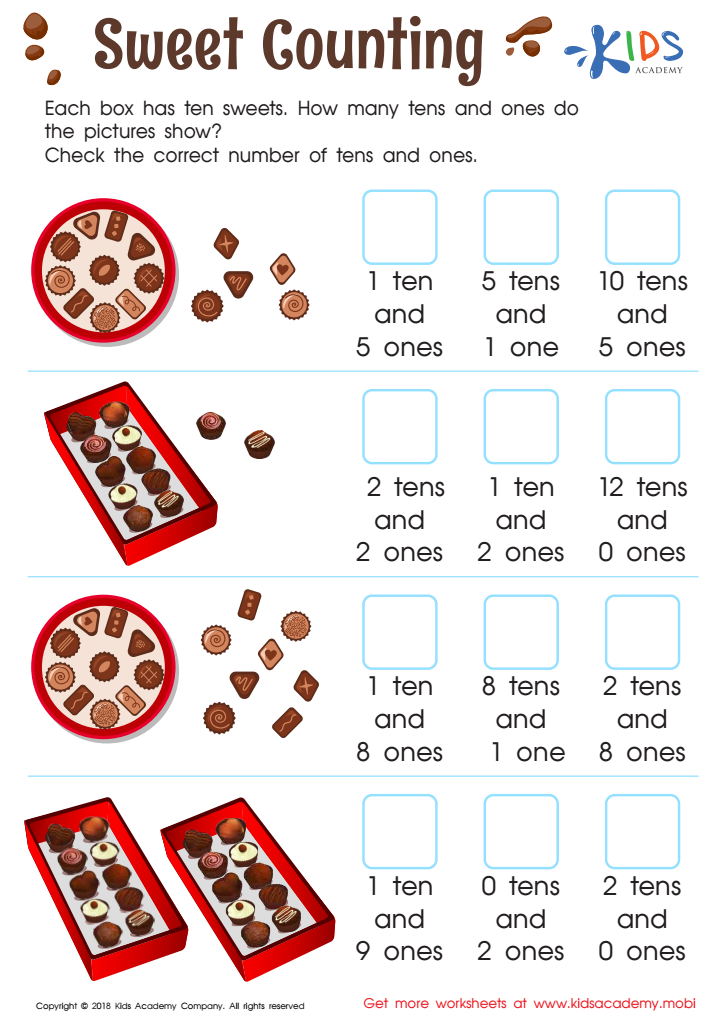
Sweet Counting - Part 2 Worksheet
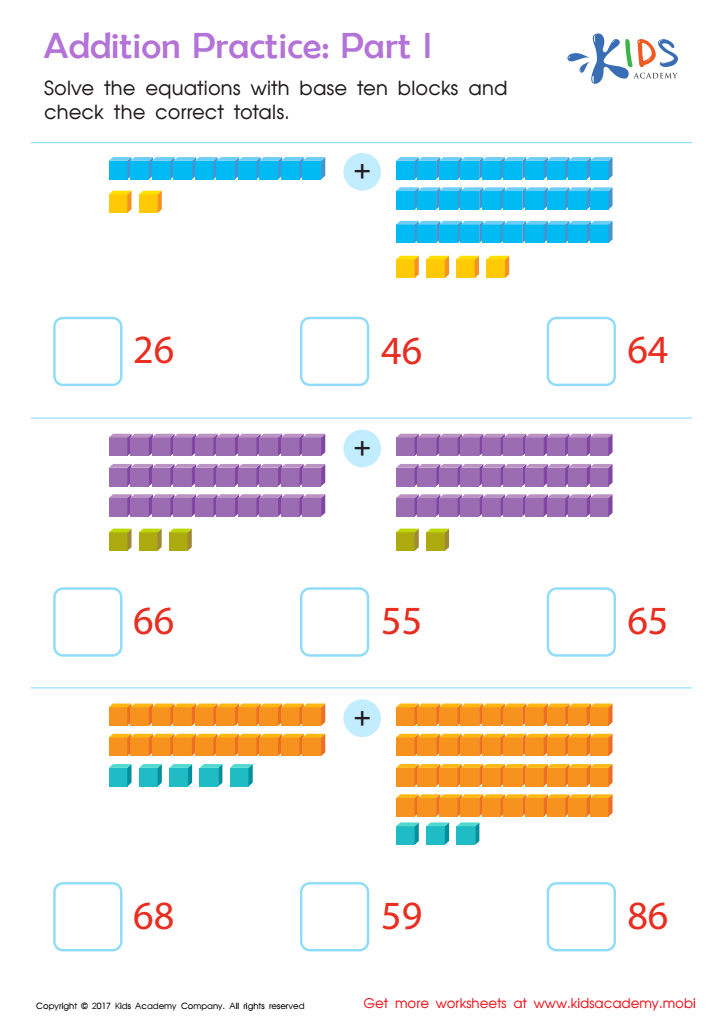
Addition Practice Sheet: Part 1
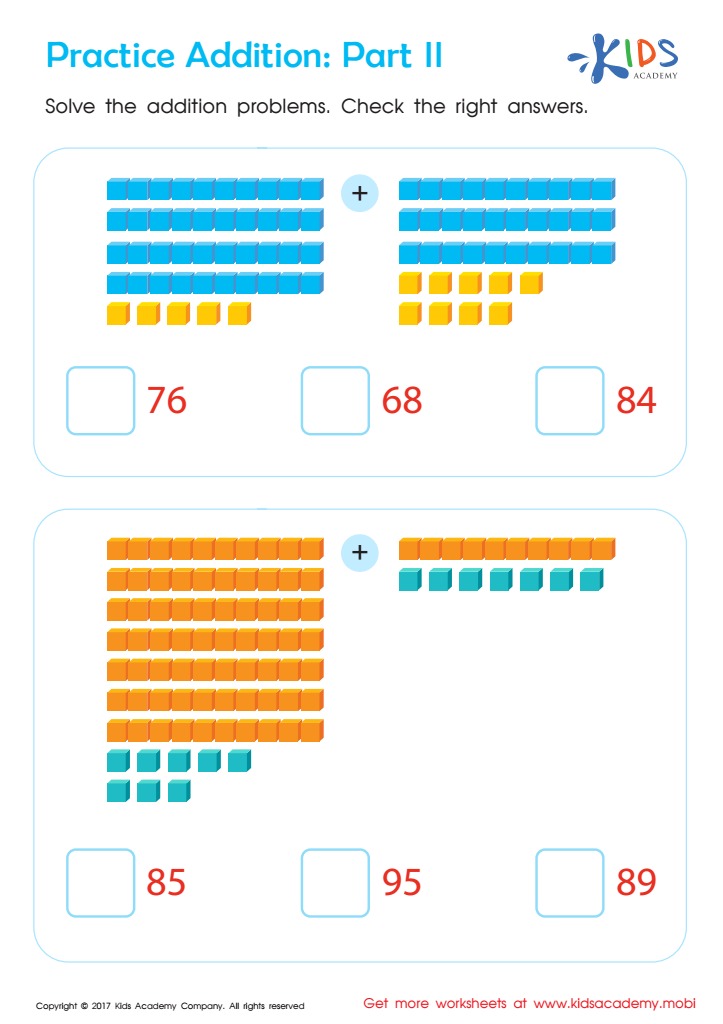
Practice Addition: Part 2 Worksheet








Number recognition and understanding place value are foundational skills for young learners, especially for 6-year-olds. These concepts are essential for building a solid mathematical foundation that will support future learning. When children recognize numbers, they can count, read, and apply numbers in everyday situations, such as telling time or managing their allowance.
Understanding place value, the system that organizes numbers based on their position (units, tens, hundreds), enables children to grasp more complex mathematical ideas. It represents a crucial leap from simple counting to understanding how numbers are structured and used in addition, subtraction, and even multiplication later on.
Moreover, mastering these concepts can enhance a child's confidence and enthusiasm in math. When parents and teachers emphasize number recognition and place value, they help children develop critical thinking and problem-solving skills that extend beyond math. This foundational knowledge also supports literacy, as numbers are embedded in stories and real-world scenarios.
Ultimately, fostering these skills at a young age prepares children not just for academic success but also for practical, everyday situations. Parents and teachers play a pivotal role in nurturing these skills through engaging activities and positive reinforcement, making math a fun and integral part of a child's learning journey.