
Vocabulary development Normal Reading Worksheets for 6-Year-Olds
6 filtered results
Difficulty Level
Grade
Age
-
From - To
Subject
Activity
Standards
Introducing our engaging Vocabulary Development Normal Reading Worksheets designed specifically for 6-year-olds! These worksheets are perfect for young learners aiming to expand their vocabulary while enjoying the process. With a variety of fun activities, children will enhance their word recognition, usage, and comprehension skills. Each worksheet supports different learning styles, making vocabulary development enjoyable and effective. Tailored for little ones, our resources provide a gentle yet stimulating way to foster a love for language. Ideal for parents and educators alike, these worksheets are a great tool to help kids build a strong foundation in reading and communication skills!
Favorites
With answer key
Interactive
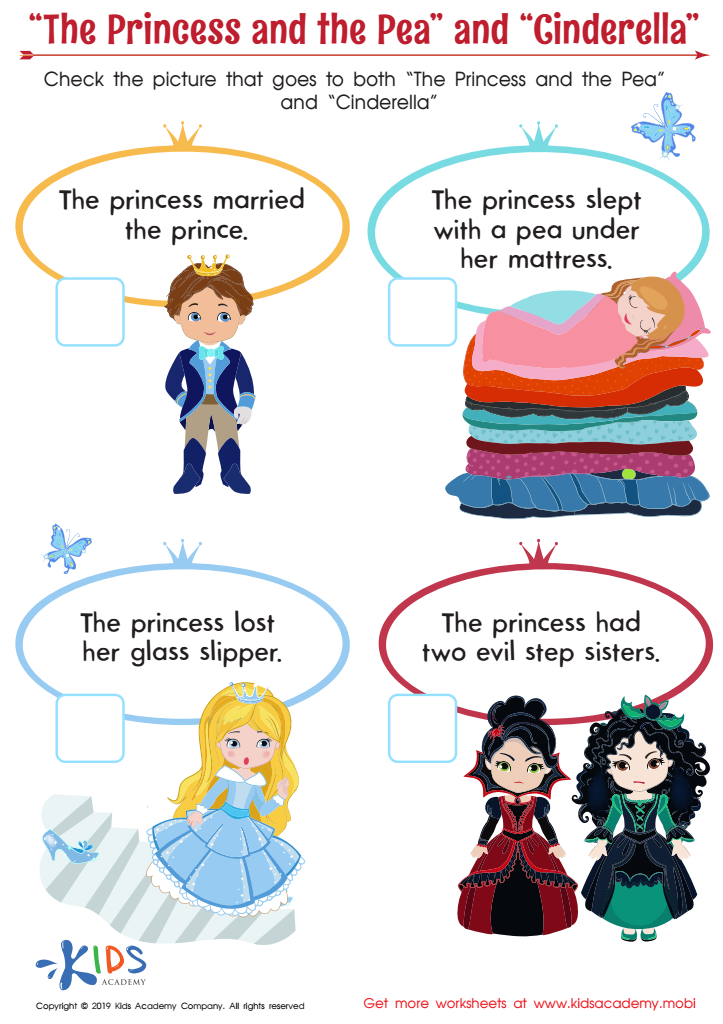
“The Princess and the Pea” and “Cinderella” Worksheet
Read "Cinderella" and "The Princess and the Pea" to your little ones. Ask them what their favorite parts were and what similarities they found in the princesses. This worksheet has four pictures of scenes from the stories. Ask your kids which picture goes with both tales.
 Assign to My Students
“The Princess and the Pea” and “Cinderella” Worksheet
Worksheet
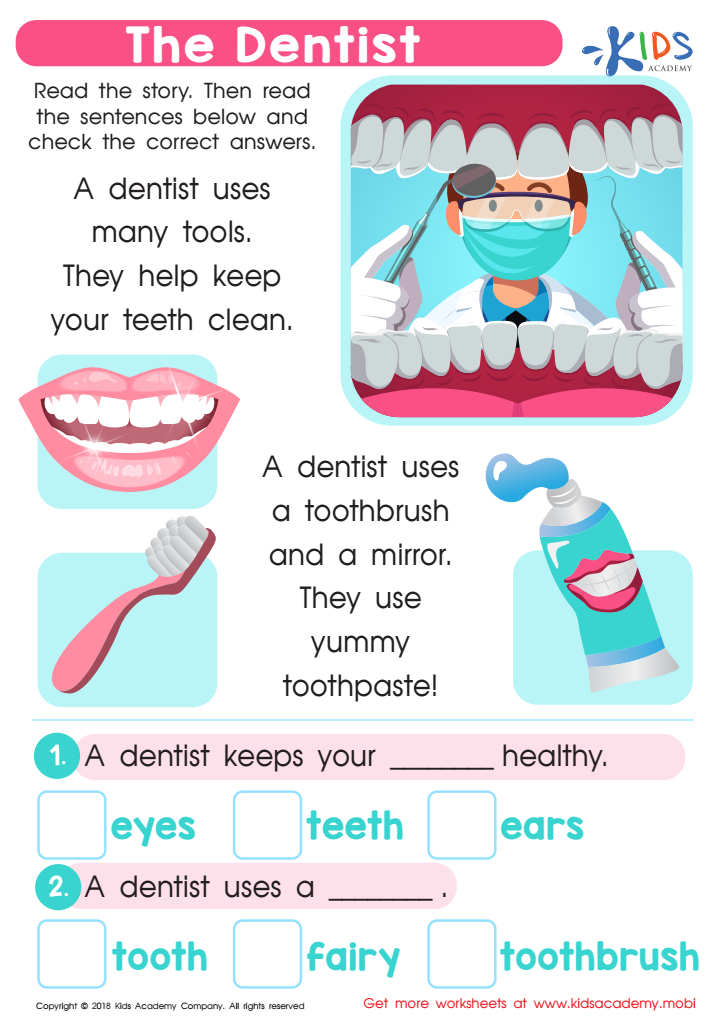
The Dentist Worksheet
Community helpers are essential for our wellbeing. This vibrant worksheet is a great way to introduce children to the dentist and their tools. They'll read the text, use the pictures and answer questions about what the dentist does and what they use. It's a great way to make the dentist more approachable, as well as help with comprehension.
The Dentist Worksheet
Worksheet
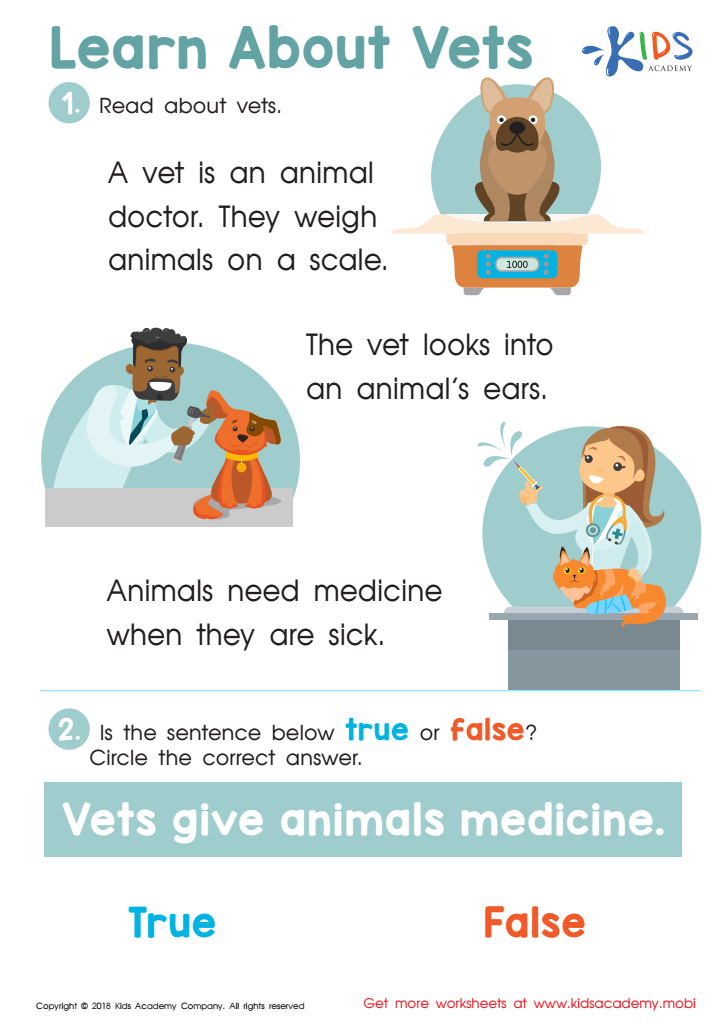
Learn About Vets Worksheet
Assess your child's reading comprehension and recall with this ELA worksheet! It reviews interesting facts about vets with brief passages and pictures to help your reader. Ask the question at the bottom to see what they learned. It's a great way to check understanding!
Learn About Vets Worksheet
Worksheet
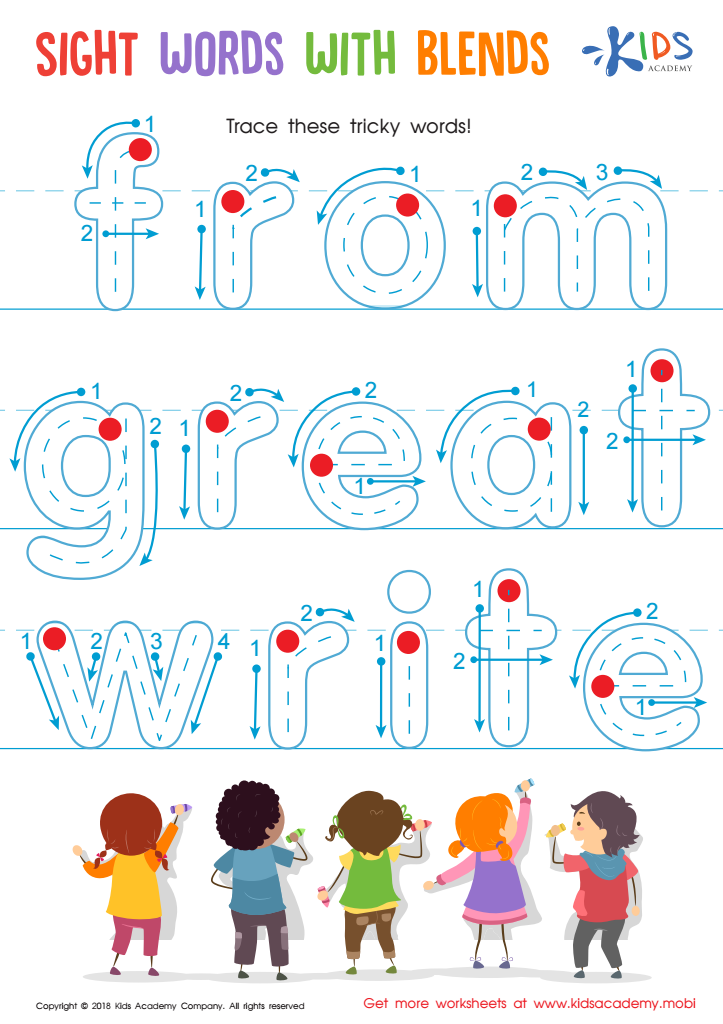
Sight Words with Blends Worksheet
This free PDF lets your children trace and write sight words with tricky blends. The guide numbers help them start from the top, building fine motor skills and enhancing sight word vocab. It's a great way to give your kids a solid foundation for reading!
Sight Words with Blends Worksheet
Worksheet
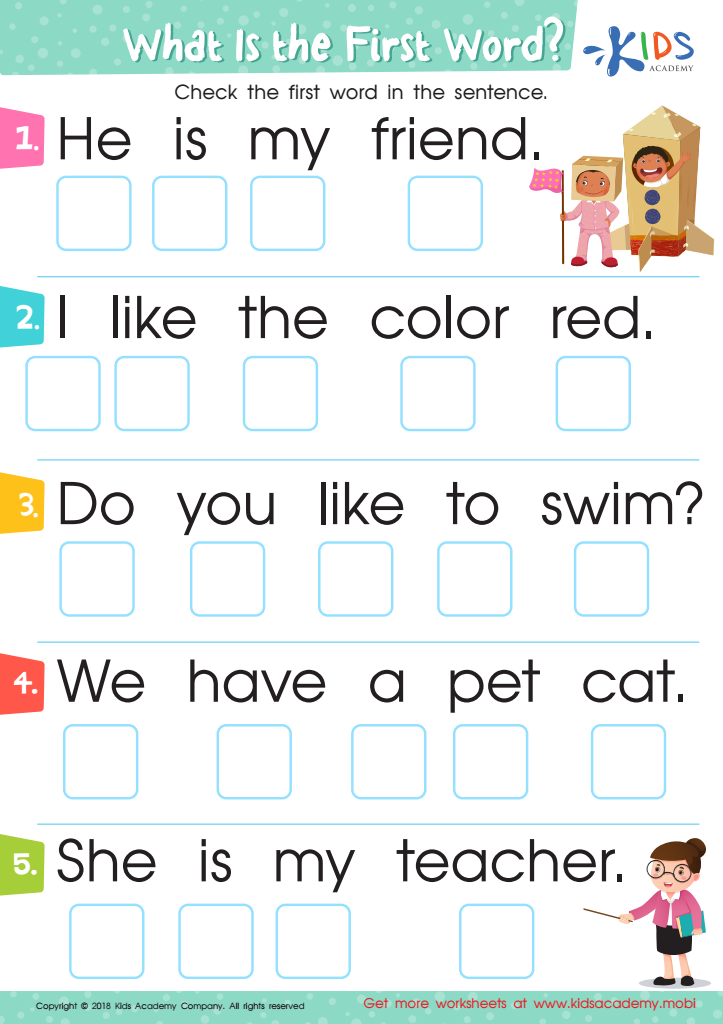
What is the First Word? Worksheet
Help your students test their sentence-reading skills with this printout! After teaching the alphabet, have them identify and write the first word in each sentence. With this exercise, they'll gain reading proficiency and be better prepared to write their own sentences.
What is the First Word? Worksheet
Worksheet
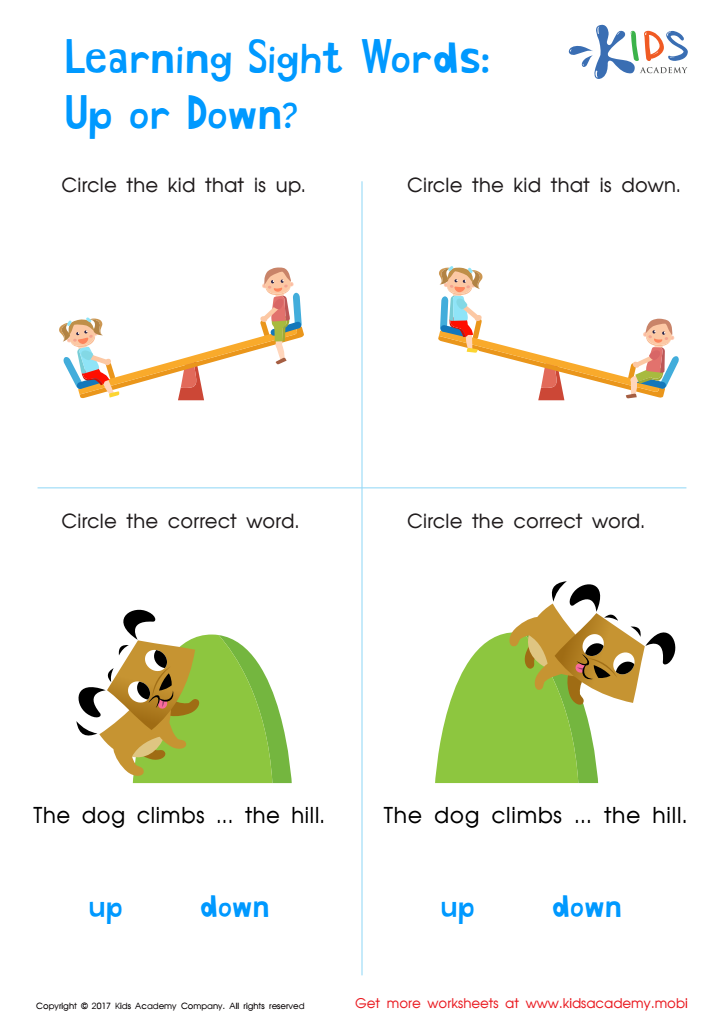
Up or Down Printable Sight Words Worksheet
Help your child identify up and down in print with this sight words worksheet. It has simple sentences, vibrant images and easy-to-read language that allow your little learner to practice these essential sight words. Perfect for early readers!
Help your early reader identify and read up and down with this sight words worksheet. It provides simple sentences, clear language and vibrant images to help them practice these essential sight words. Perfect for toddlers!
Up or Down Printable Sight Words Worksheet
Worksheet
Join Kids Academy for Free
Who is primarily going to use this learning content?







Vocabulary development is crucial for 6-year-olds as it forms the foundation for language skills, comprehension, and overall academic success. During this critical period, children's brains are highly receptive to new words and concepts, which significantly influences their communication abilities and literacy skills. When parents and teachers prioritize vocabulary development, they equip children with the language tools necessary for effective expression and understanding.
A robust vocabulary enhances a child's confidence in participating in conversations and expressing thoughts. When children have a rich word bank, they can better interpret and analyze the texts they read, facilitating deeper comprehension. This early stage of vocabulary acquisition can profoundly impact future learning, as studies indicate a direct correlation between vocabulary knowledge and reading proficiency throughout schooling.
Moreover, engaging children in rich language activities, such as storytelling, word games, and discussions, promotes not just vocabulary but cognitive and social skills. This sets the stage for lifelong learning and critical thinking abilities. Thus, both parents and teachers should actively engage in nurturing vocabulary development. The benefits extend beyond academics; they empower children to communicate effectively and navigate their world with confidence and clarity. Prioritizing vocabulary at this age lays the groundwork for future success.








