Understanding directions Normal Science Worksheets for 6-Year-Olds
4 filtered results
-
From - To
Discover our engaging "Understanding Directions Normal Science Worksheets" designed specifically for 6-year-olds. These innovative worksheets help young learners develop essential skills in following directions, enhancing their comprehension and observational abilities. With exciting activities that integrate fun visuals and interactive tasks, children will gain confidence in making logical connections and understanding scientific processes. Parents and educators can use these worksheets to support early science education in a playful way, fostering curiosity about the world. Explore how simple directions can lead to discovering important scientific concepts while nurturing a love for learning. Perfect for home or classroom use!
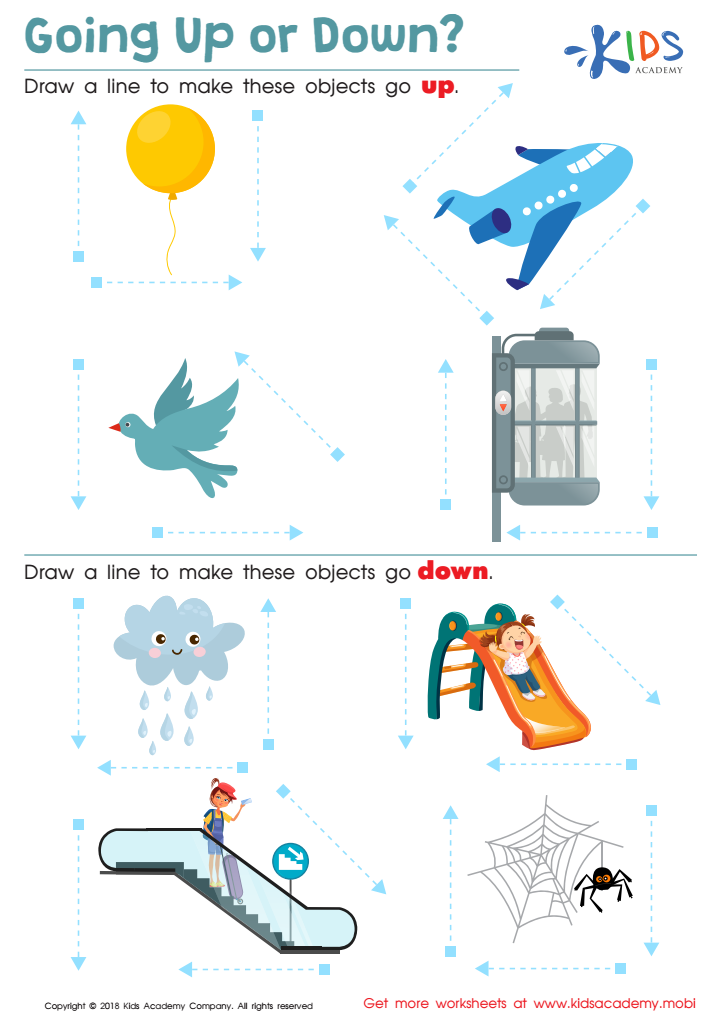
Going up or Down? Worksheet
 Assign to My Students
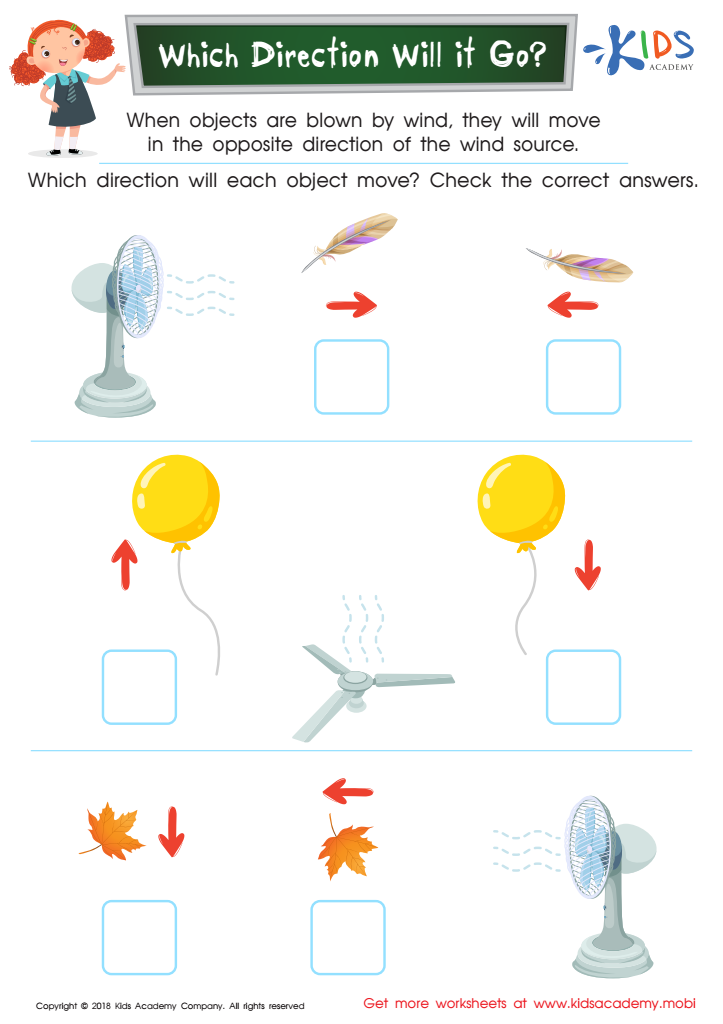
Which Direction Will it Go? Worksheet
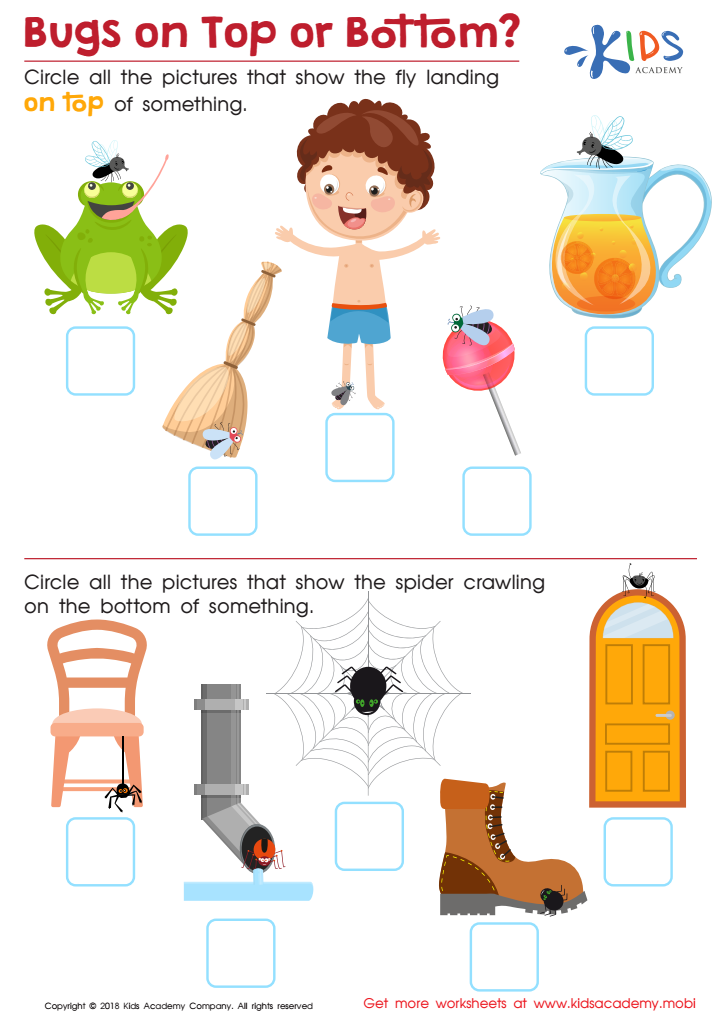
Bugs on Top or Bottom? Worksheet
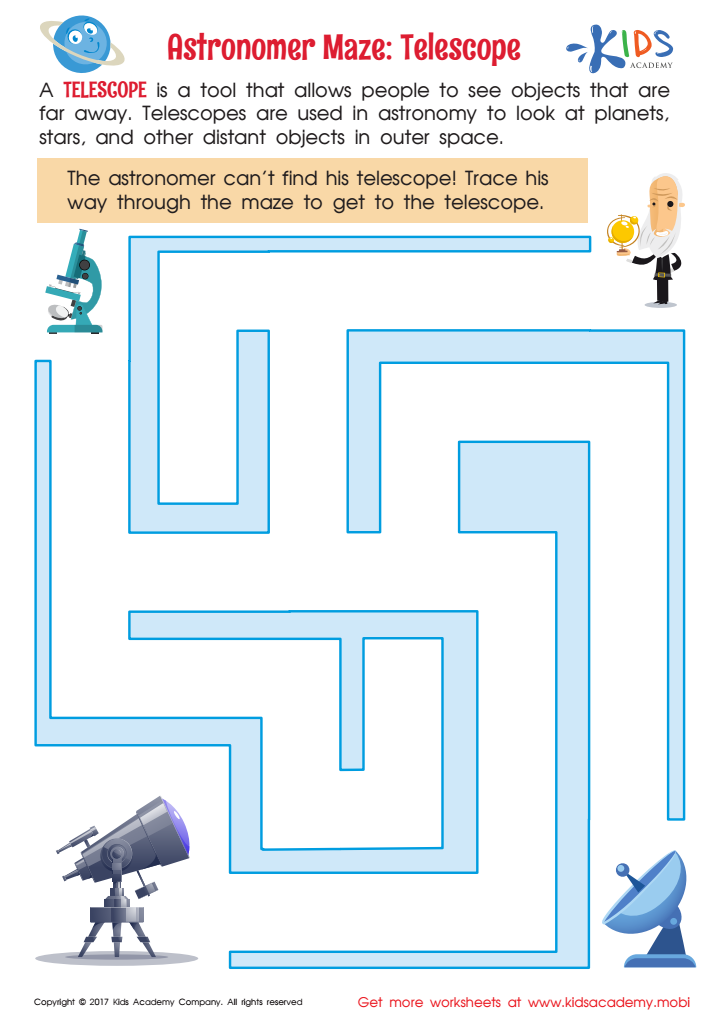
Astronomer Maze: Telescope Worksheet








Understanding directions is a crucial skill for 6-year-olds, and parents and teachers should prioritize this aspect of learning for several compelling reasons. First, acquiring the ability to follow directions fosters independence and boosts a child's confidence. When young learners can successfully complete tasks by understanding provided instructions, they gain a sense of accomplishment that motivates them to tackle more complex challenges.
Additionally, following directions is foundational for various academic skills, particularly in subjects like math and science, where procedural tasks are commonplace. In science, understanding directions ensures that children can engage with experiments and inquiries safely and effectively, nurturing their curiosity and interest in the natural world.
Moreover, embracing the concept of "Normal Science," as proposed by philosopher Thomas Kuhn, encourages children to engage in critical thinking and reinforces scientific literacy from an early age. By understanding directions within a experimental or exploratory context, children cultivate problem-solving skills that will serve them well throughout their education.
Lastly, instilling this skill in young learners promotes better communication and collaboration with peers and adults, preparing them for future social interactions and cooperative learning experiences. Ultimately, cultivating the ability to understand and follow directions paves the way for more successful and motivated learners.







