Hand-eye Coordination Normal ABC Letters Worksheets for Ages 7-8
5 filtered results
-
From - To
Enhance your child's hand-eye coordination with our engaging Normal ABC Letters Worksheets, specifically designed for ages 7-8! These worksheets combine fun activities and educational content, helping children to master the letters of the alphabet while developing essential motor skills. Each worksheet fosters creativity through tracing and writing exercises, ensuring that learning remains enjoyable. Perfect for use at home or in the classroom, these resources promote fine motor development and letter recognition. Support your child's academic growth and confidence with our expertly crafted worksheets, designed to provide the perfect balance of challenge and skill reinforcement. Start your educational journey today!
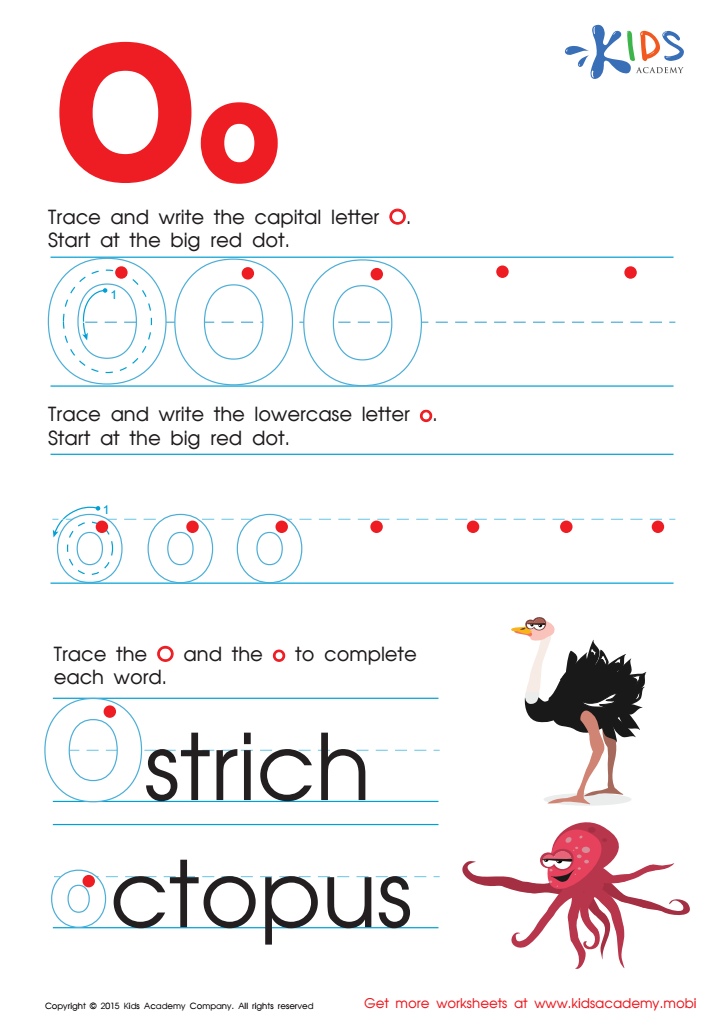
Letter O Tracing Page
 Assign to My Students






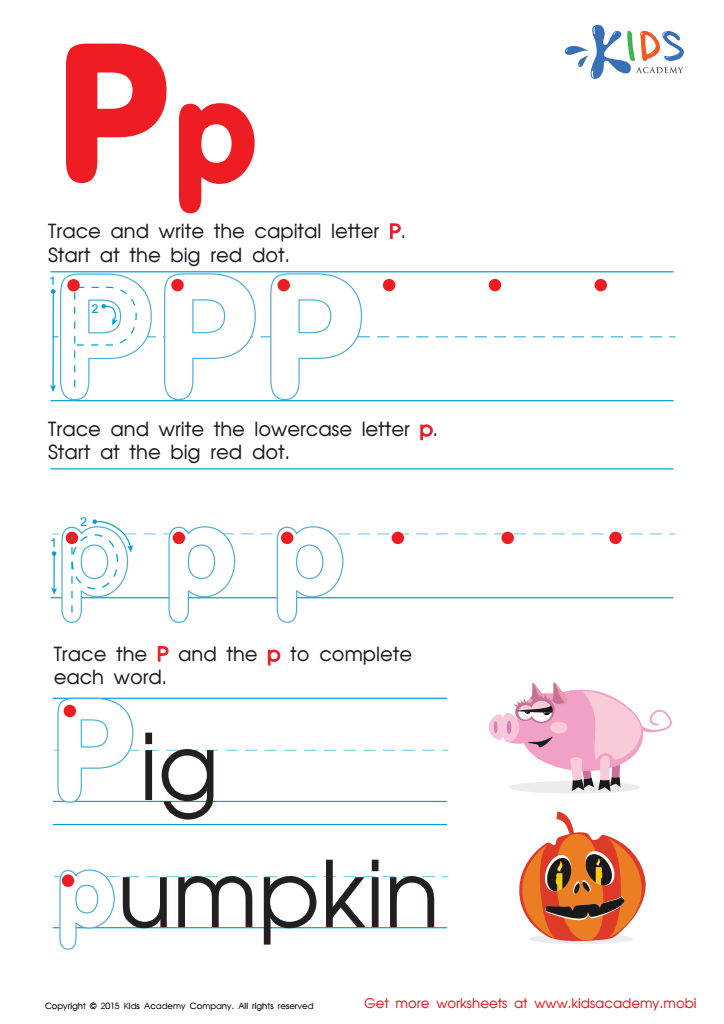
Letter P Tracing Page

Letter H Tracing Page
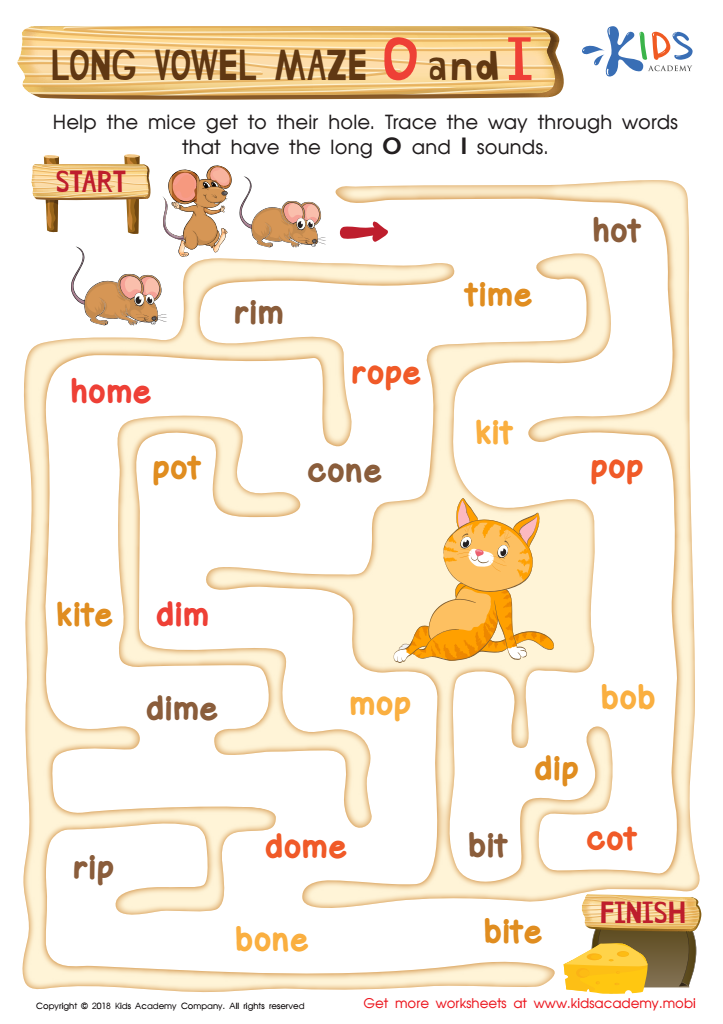
Long Vowel Maze /o/ and /i/ Worksheet

Letter D Tracing Page








Hand-eye coordination is an essential skill for children, particularly for those aged 7-8, as it directly influences their ability to write, read, and perform various daily tasks. For parents and teachers, focusing on hand-eye coordination through engaging activities, like practicing normal ABC letters, is crucial for several reasons.
Firstly, at this age, children are refining their fine motor skills, which play a vital role in handwriting. Improved hand-eye coordination ensures that they can effectively write letters and form words, which bolsters their literacy development. Clear and legible handwriting can boost their confidence and self-esteem in academic settings.
Secondly, hand-eye coordination is interconnected with other skills. Proficiency in this area aids in tasks like playing sports, using tools, and engaging in arts and crafts—all of which promote social development and creativity. Additionally, children with strong hand-eye coordination are better equipped to adapt to complex tasks in later grades, setting a foundation for overall academic success.
Lastly, parents and teachers can foster a supportive learning environment by incorporating games and activities that encourage hand-eye coordination, contributing to a child's holistic growth in both skills and confidence. Prioritizing this development is vital for helping children thrive in and out of the classroom.







