Motor skills development Normal ABC Letters Worksheets for Ages 7-8
3 filtered results
-
From - To
Discover our engaging "Motor Skills Development Normal ABC Letters Worksheets" designed specifically for children ages 7-8. These worksheets promote fine motor skills through fun and interactive activities, encouraging your child to practice letter recognition and handwriting. With a variety of exercises that combine play and education, kids will enhance their dexterity while mastering the alphabet. Each worksheet supports cognitive development and boosts confidence, setting a strong foundation for future learning. Ideal for home or classroom use, our resources are tailored to inspire and motivate young learners. Start their journey to alphabet proficiency and fine motor mastery today!

Letter H Tracing Page










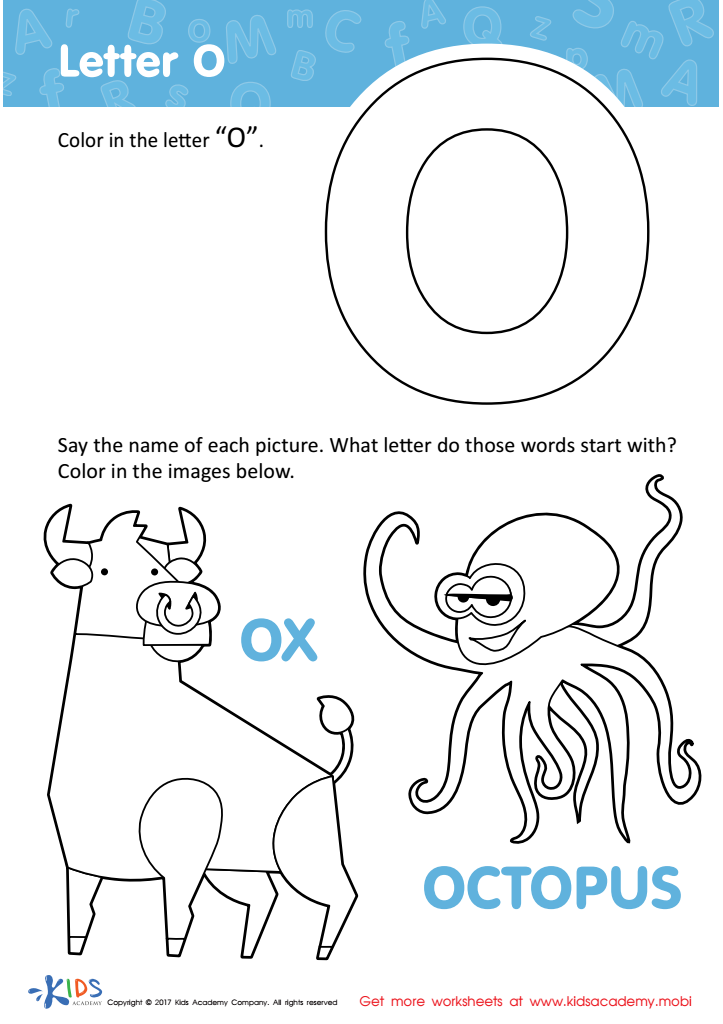
Letter O Coloring Sheet
 Assign to My Students

Letter B Tracing Page








Motor skills development, particularly in the context of writing the ABC letters for children aged 7-8, is crucial for several reasons. At this age, children continue to refine their fine motor skills, which are essential not only for writing but also for everyday tasks like tying shoes, buttoning shirts, and cutting with scissors. A child’s ability to write legibly can significantly influence their academic performance and self-esteem.
Strong motor skills contribute to better concentration and increased enthusiasm for learning. When children struggle with writing, it can lead to frustration, disengagement, and even hinder their ability to express their thoughts effectively. Parents and teachers should monitor the development of these skills to provide timely support and intervention if necessary.
Furthermore, well-developed motor skills can enhance cognitive development. Engaging in activities that improve hand-eye coordination and dexterity—such as crafts, sports, and games—can create a solid foundation for future learning, especially in subjects like math where writing and spatial skills are critical. By nurturing motor skills, parents and teachers help foster a child's overall confidence and independence, setting the stage for lifelong learning and success. Encouraging these skills at this critical developmental stage is essential for holistic growth.







