Reading skills development Normal Alphabet Worksheets for Ages 7-8
3 filtered results
-
From - To
Enhance your child's reading skills with our engaging Normal Alphabet Worksheets designed specifically for ages 7-8! These worksheets focus on improving letter recognition, phonetic understanding, and vocabulary development, making reading fun and accessible. Crafted with age-appropriate activities, children will enjoy refining their reading abilities through interactive exercises like matching letters, filling in the blanks, and creative word formation. Our worksheets not only aim to strengthen literacy skills but also promote cognitive growth and confidence in young readers. Perfect for home or classroom use, these resources are an excellent tool for fostering a lifelong love of reading in your child!
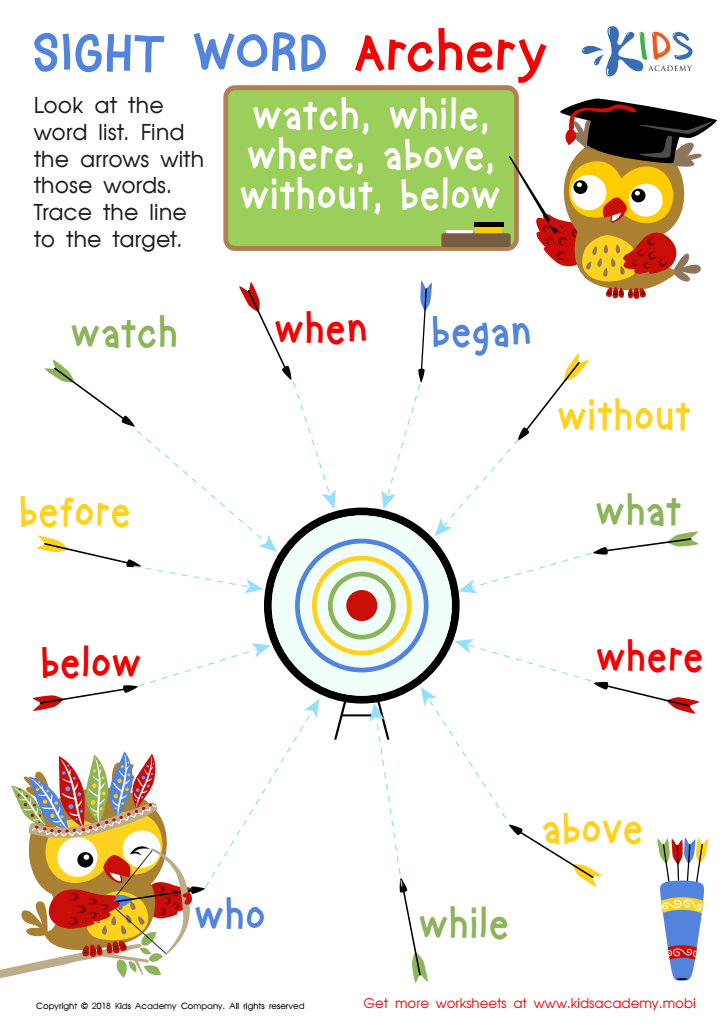
Sight Word Archery Worksheet
 Assign to My Students
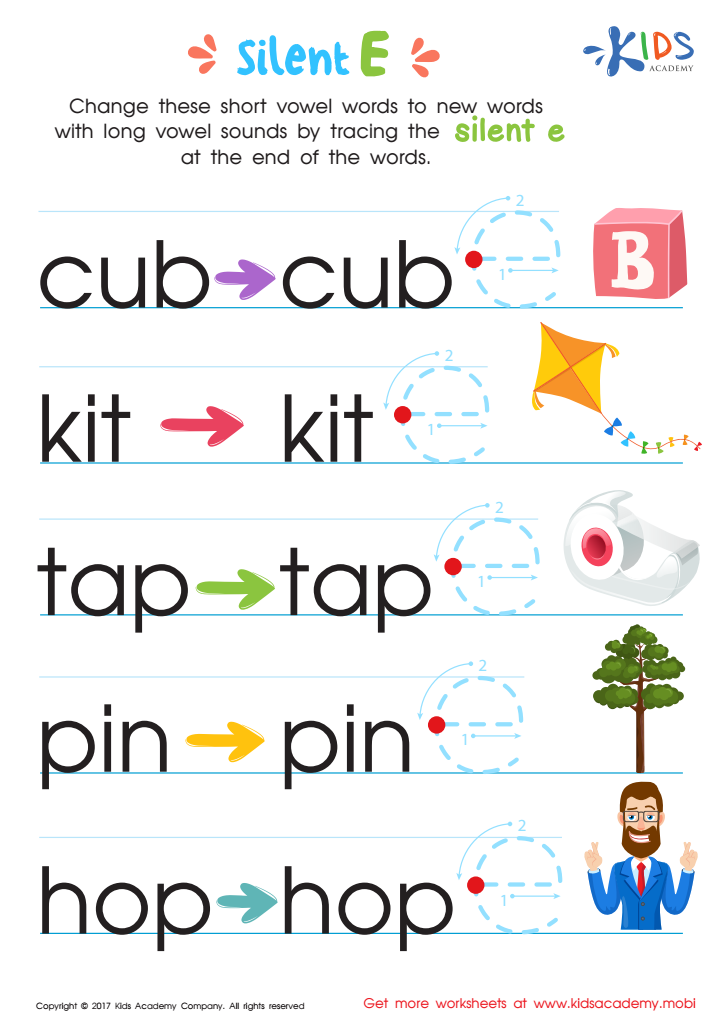
Silent E Words Worksheet
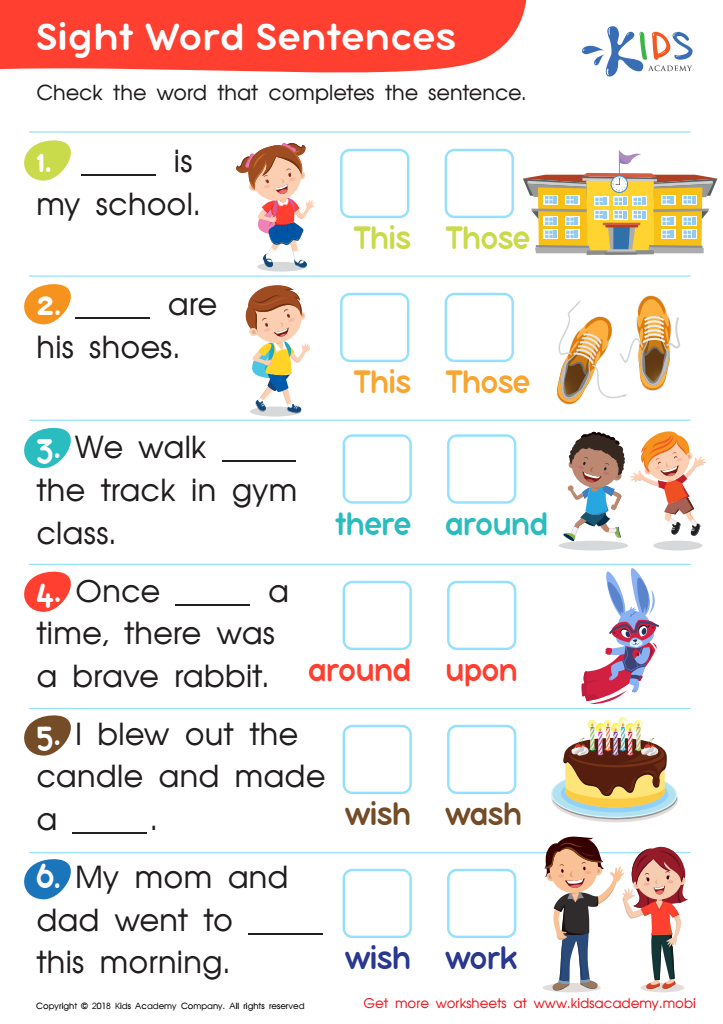
Sight Word Sentences Worksheet




.jpg)



Parents and teachers should be deeply invested in developing reading skills for children aged 7-8, as this age marks a critical stage in literacy acquisition. At this stage, children transition from "learning to read" to "reading to learn," where strong reading skills open doors to a wealth of knowledge across subjects. Proficient reading also fosters confidence, creativity, and critical thinking, enabling children to express themselves and engage with the world around them.
Healthy reading habits at this age lay the groundwork for future academic success. Children who struggle with reading may face difficulties in other areas, leading to a cycle of frustration that can impact their overall learning experience and self-esteem. Moreover, reading together as a family or encouraging shared reading in classrooms promotes positive relationships, bonding, and a love for literature.
Additionally, this skill development supports social-emotional learning, helping children to understand and empathize with others' stories. Parents and teachers can nurture a child's curiosity and imagination through engaging reading materials, thereby instilling a lifelong desire for learning. Ultimately, prioritizing reading skills at this developmental stage is an investment in a child's future, equipping them with essential tools for success both in school and beyond.







