Motor skills development Normal Letter Recognition Worksheets for Ages 7-8
3 filtered results
-
From - To
Boost your child's motor skills and letter recognition with our specialized worksheets, crafted for ages 7-8. These printable activities from Kids Academy are expertly designed to enhance fine motor skills while reinforcing alphabet knowledge. Each worksheet offers engaging exercises that help young learners practice writing, tracing, and identifying letters, ensuring they gain confidence in their literacy journey. Perfect for home or classroom use, these resources support crucial learning milestones. Equip your child with the foundational skills they need for reading and writing success. Discover the ideal blend of fun and education with Kids Academy Motor Skills Development Life quiescat!
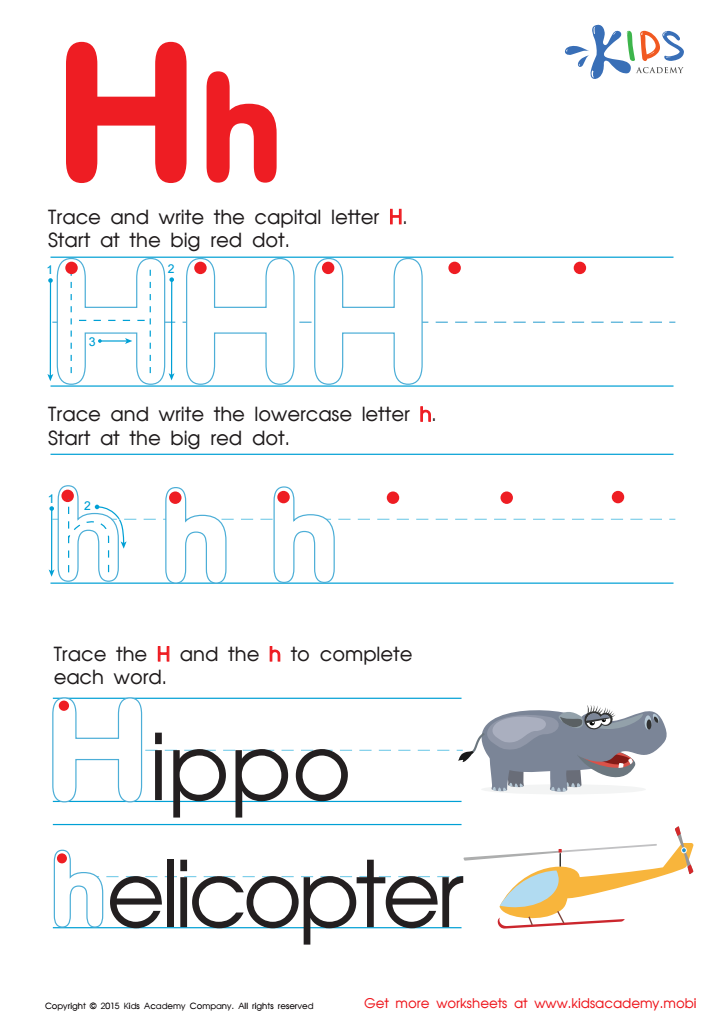
Letter H Tracing Page
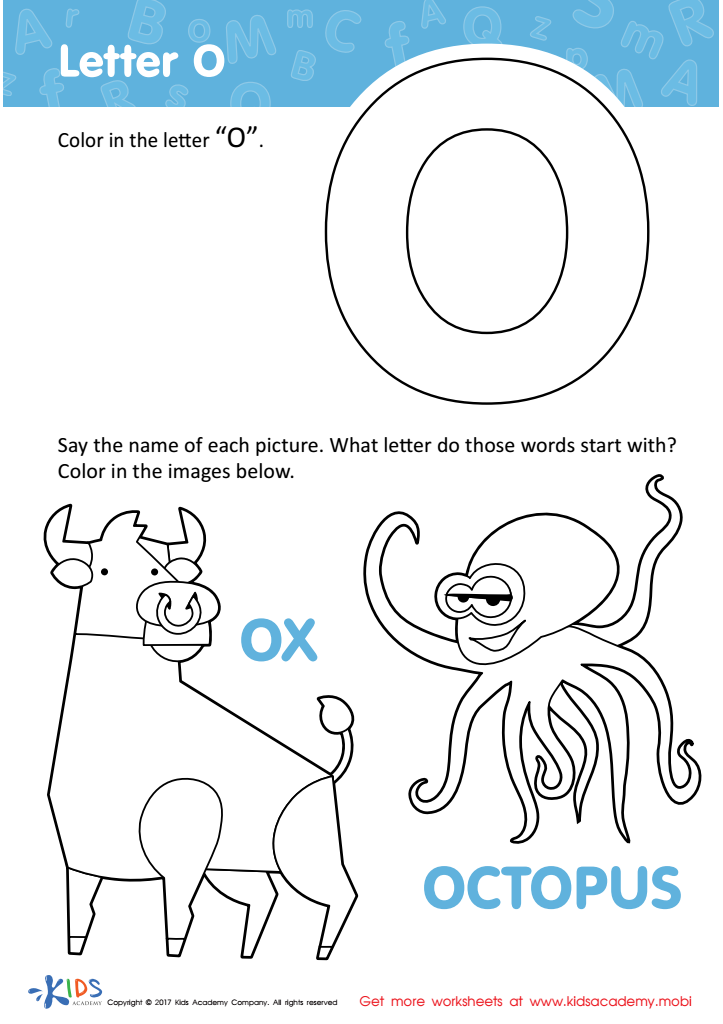
Letter O Coloring Sheet
 Assign to My Students
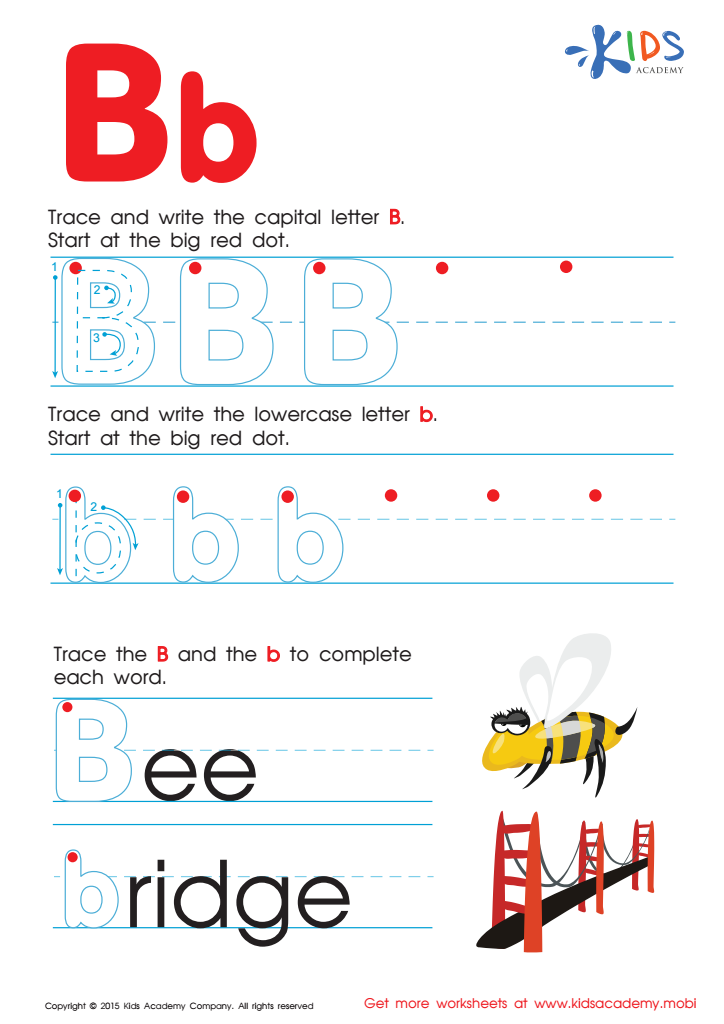
Letter B Tracing Page








Motor skills development and normal letter recognition are crucial components of early childhood education, particularly for children ages 7-8. Motor skills encompassing both fine motor (e.g., hand-eye coordination and small muscle actions) and gross motor skills (e.g., running and jumping) are integral to a child's overall development. Developing strong fine motor skills is essential for children to efficiently perform everyday tasks, such as writing, cutting, and buttoning clothes, fostering independence and self-confidence.
Normal letter recognition at this age is pivotal because it's a fundamental building block for literacy. Achieving proficiency in recognizing letters enables children to decode words, which is the initial step toward fluent reading. Early reading skills are predictive of future academic success, influencing performance across subjects ranging from language arts to science.
Parents and teachers should prioritize these areas because deficiencies can lead to long-term challenges. Poor motor skills can affect a child's ability to perform classroom tasks, potentially hindering academic progress. Likewise, delays in letter recognition can lead to difficulty in reading, affecting comprehension and enjoyment of learning.
By focusing on these developmental areas through age-appropriate activities and early interventions, parents and teachers can help set a strong foundation for children's continued educational and personal growth. This foundational work supports cognitive development, academic achievement, and overall well-being.








