Writing practice Normal Letter Recognition Worksheets for Ages 7-8
5 filtered results
-
From - To
Enhance your child's writing skills with our "Writing Practice Normal Letter Recognition Worksheets" tailored specifically for ages 7-8. These engaging worksheets focus on both uppercase and lowercase letter recognition, improving handwriting through ample practice. Designed by educational experts, they help solidify foundational literacy skills in a fun and interactive manner. Our worksheets include colorful illustrations and diverse exercises that keep young learners motivated and engaged. Perfect for use at home or in the classroom, they ensure children develop strong writing capabilities while building essential alphabet knowledge. Make handwriting practice enjoyable and effective with our comprehensive, age-appropriate worksheets.
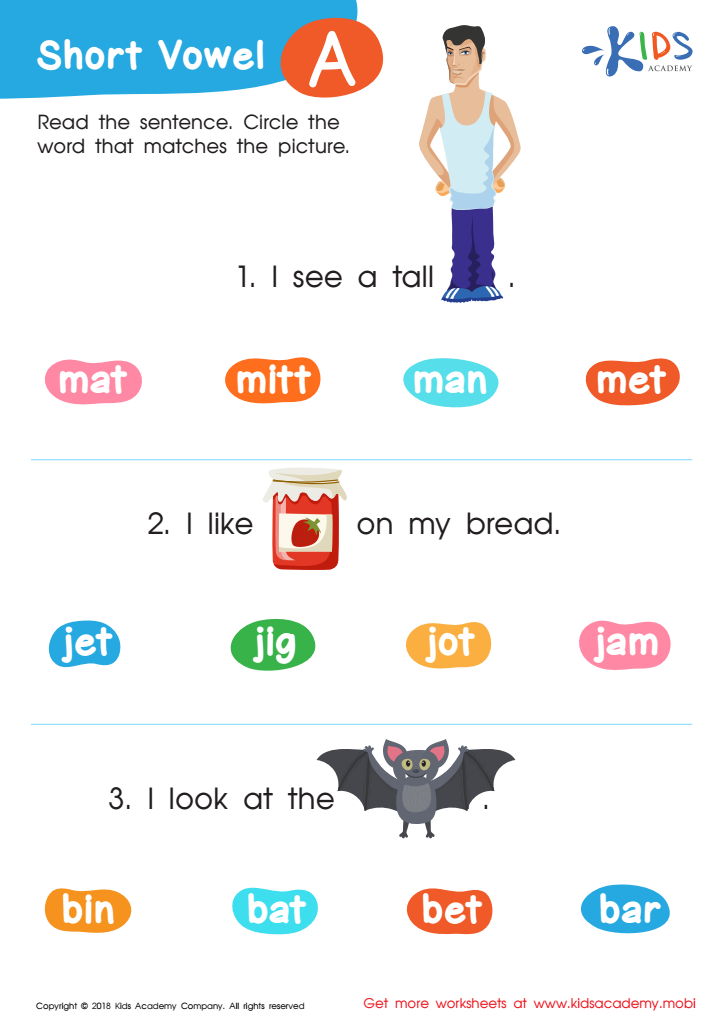
Short Vowel /a/ Worksheet
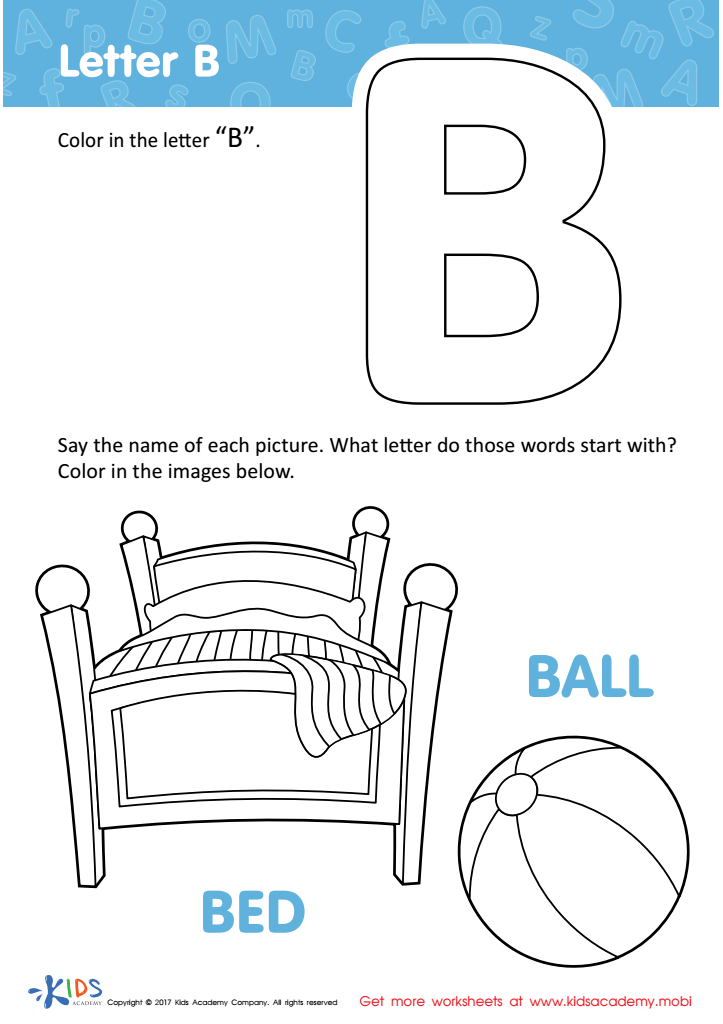
Letter B Coloring Sheet
 Assign to My Students
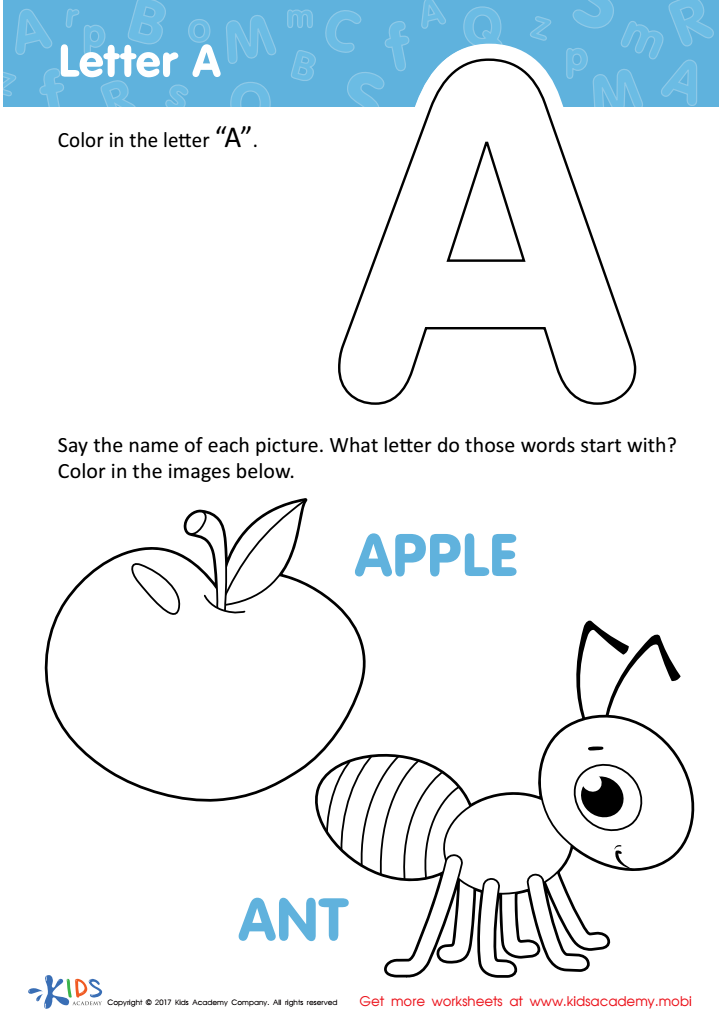
Letter A Coloring Sheet
Assign to My Students

Letter H Tracing Page
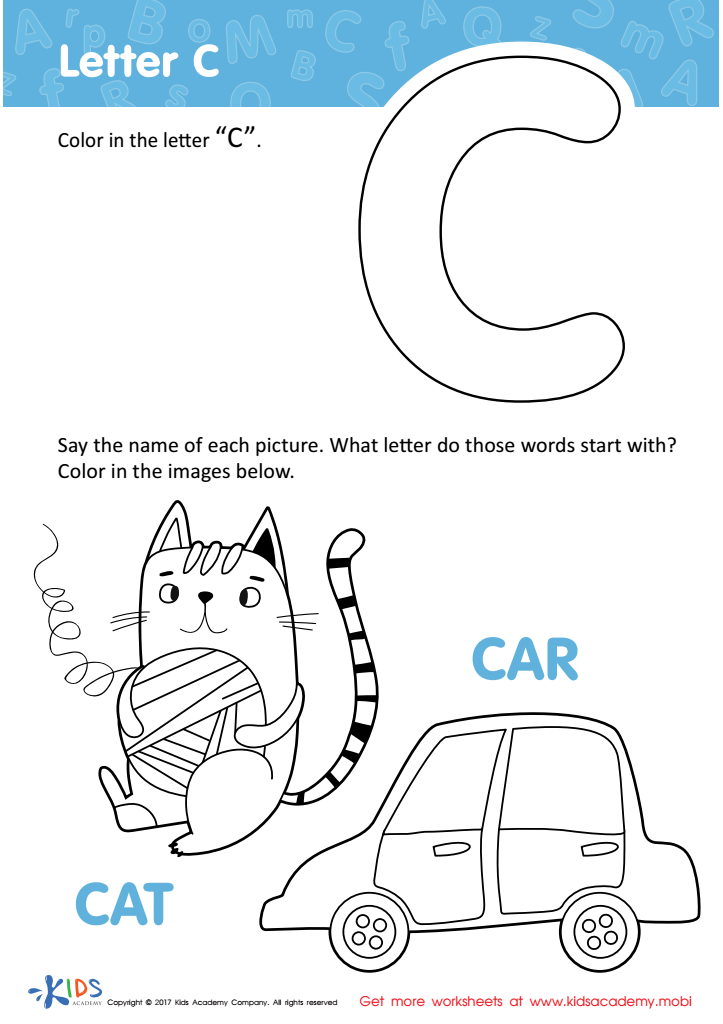
Letter C Coloring Sheet
Assign to My Students








Parents and teachers should prioritize writing practice and normal letter recognition for children aged 7-8 to lay a strong foundation for literacy skills that are crucial for academic success. At this developmental stage, children are honing their ability to form letters correctly and consistently. This is important not just for legibility, but for developing fine motor skills that foster greater control and precision in writing. Engaging in regular writing practice enhances neural connections related to language processing, boosting children's ability to read, comprehend, and articulate thoughts. Understanding and consistently practicing normal letter recognition also aids spelling and grammar learning, which are fundamental components of effective communication.
Additionally, proficiency in writing and letter recognition contributes to self-expression and cognitive development. When children can comfortably translate their thoughts into written words, they build self-confidence and reduce anxiety associated with writing tasks, fostering a positive attitude toward learning. Effective writing practice also supports other academic areas such as mathematical problem-solving, where clear notation is essential. Lastly, integrating technology offers new avenues for reinforcing these skills in engaging ways, making it vital for parents and teachers to adapt and sustain efforts in promoting strong literacy foundations. This holistic approach ultimately sets the stage for lifelong learning and success.








