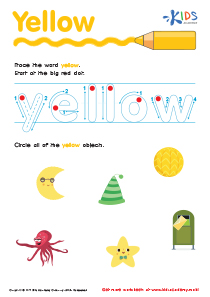
Letter Tracing Normal English for Beginners Worksheets for Ages 7-8
4 filtered results
-
From - To
Introduce young learners to the basics of English writing with our "Letter Tracing Normal English Beginners Worksheets" for ages 7-8. Designed specifically for children learning English as a second language, these worksheets help develop fundamental writing skills through engaging, traceable letters and words. Students will improve their handwriting, recognize proper letter formation, and enhance their fine motor skills. Each worksheet combines fun activities with educational content to maintain interest and promote confidence in writing. Perfect for classroom settings or at-home learning, these worksheets provide an ideal foundation for young writers to build their English language proficiency step-by-step.
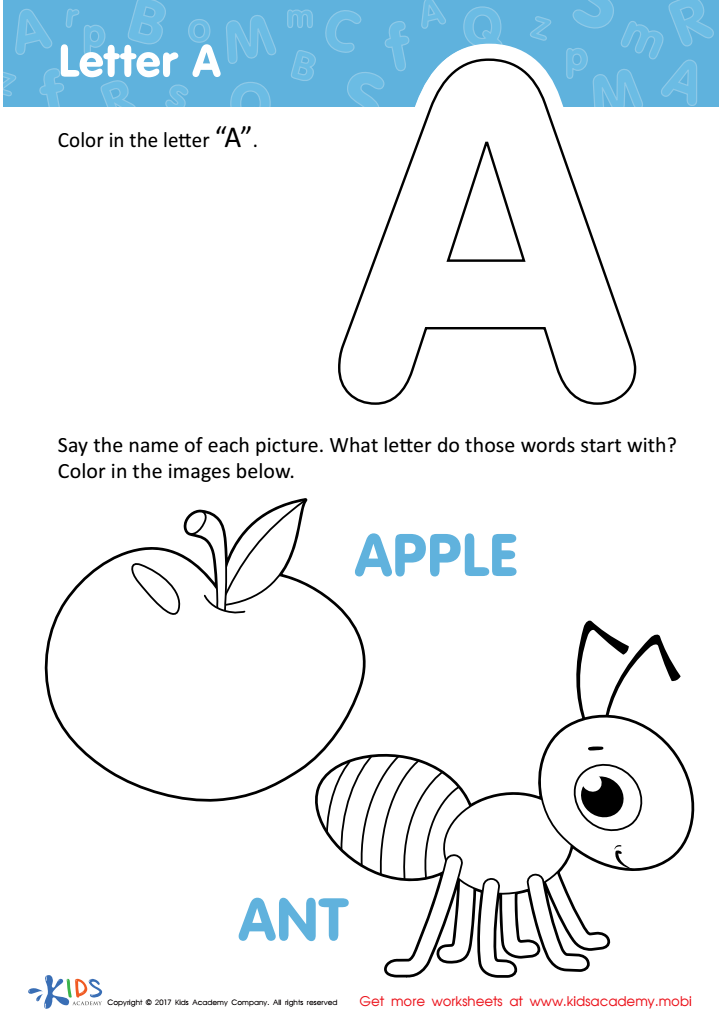
Letter A Coloring Sheet
 Assign to My Students
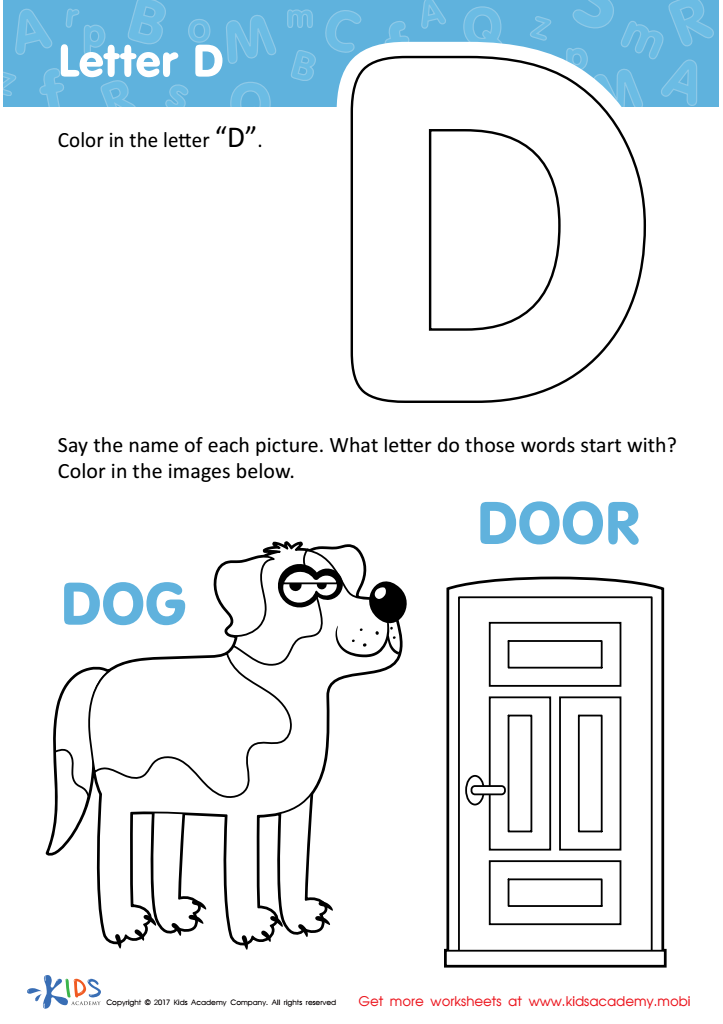
Letter D Coloring Sheet
Assign to My Students
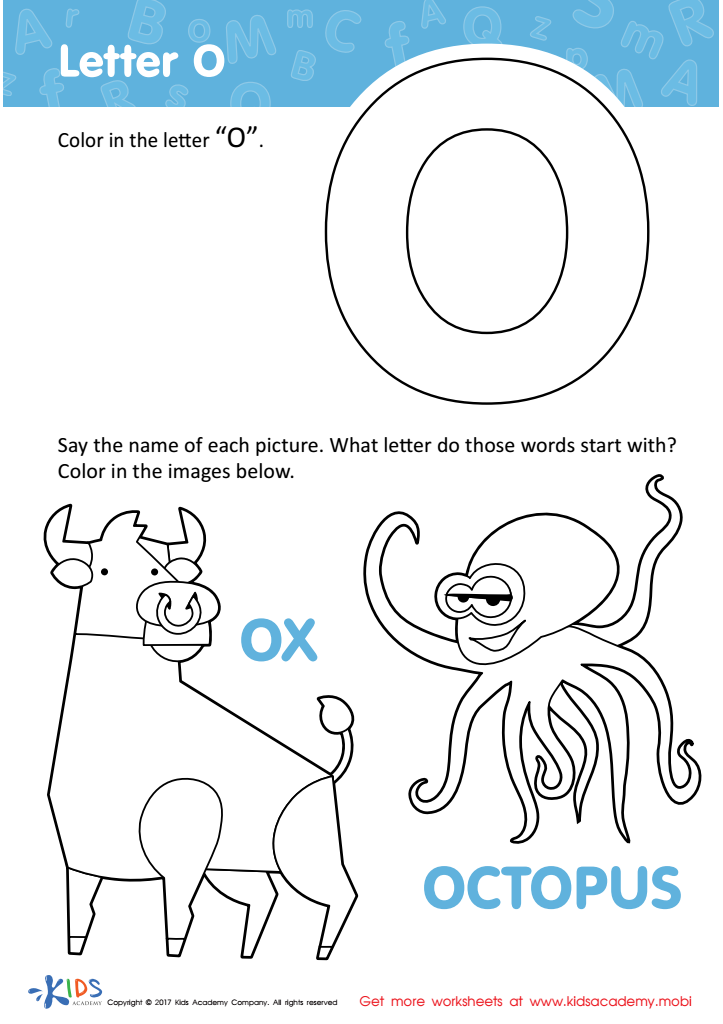
Letter O Coloring Sheet
Assign to My Students
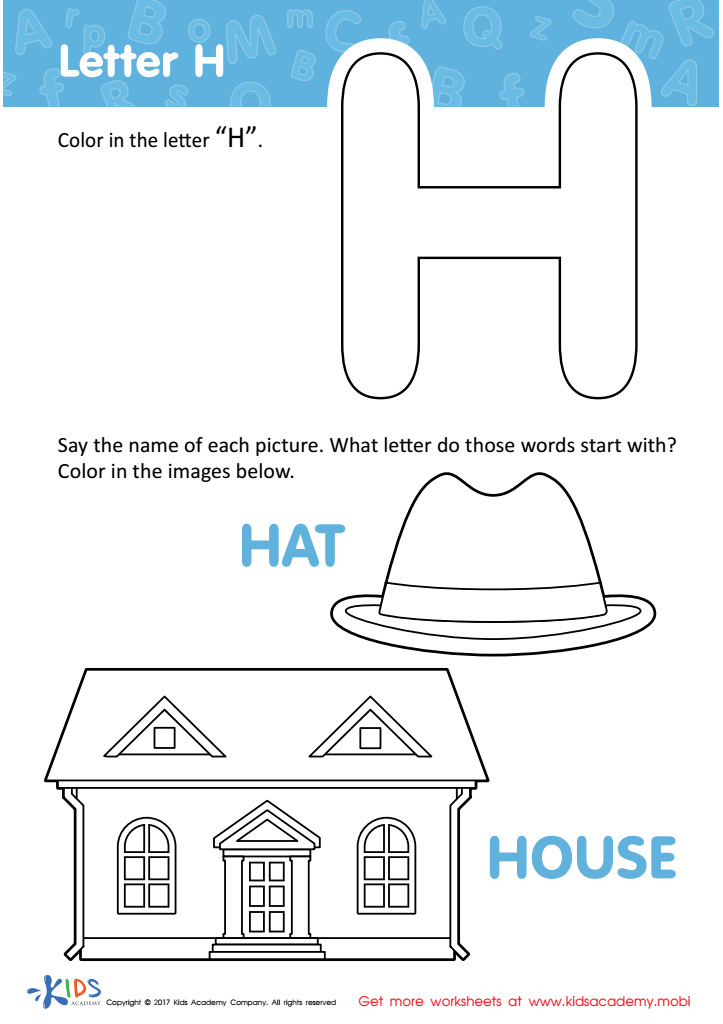
Letter H Coloring Sheet
Assign to My Students





Parents and teachers should pay close attention to Letter Tracing Normal English for beginners aged 7-8 because it forms the foundational skills necessary for literacy development. Firstly, letter tracing helps children recognize letter shapes and patterns, which is crucial for reading and writing proficiency. By tracing, they reinforce their knowledge of the alphabet, making it easier to understand the connection between spoken and written language.
Additionally, letter tracing improves fine motor skills as it requires precise hand movements and control. These skills are not only vital for writing but also for other tasks such as tying shoelaces or using scissors. As children practice tracing, they become more confident in their hand-eye coordination and muscle memory, leading to clearer and more legible handwriting—an essential skill for academic success.
Moreover, consistent practice through letter tracing builds concentration and attention to detail. As children focus on each stroke, they learn patience and perseverance, which are valuable life skills. For children aged 7-8, capturing these skills early sets a positive trajectory for their future education, making learning more accessible and less frustrating.
Finally, engaging in letter tracing activities can be fun and interactive, fostering a love for learning. It allows for creativity and self-expression, which can help motivate young learners to engage more deeply with language and literacy tasks.