Logical Reasoning Normal Reading Worksheets for Ages 7-8
8 filtered results
-
From - To
Discover our engaging Logical Reasoning Normal Reading Worksheets for children aged 7-8! These thoughtfully designed worksheets promote critical thinking and comprehension skills, enabling young learners to analyze information, identify patterns, and draw conclusions. Perfect for classroom use or at-home practice, our activities encourage problem-solving through interactive and enjoyable tasks. Each worksheet introduces age-appropriate challenges to enhance logical thinking while integrating reading practice seamlessly. Explore a variety of scenarios and questions tailored to captivate young minds and support their cognitive development. Empower your child's learning journey with our enriching resources, designed to foster a love for learning through fun and stimulating exercises!
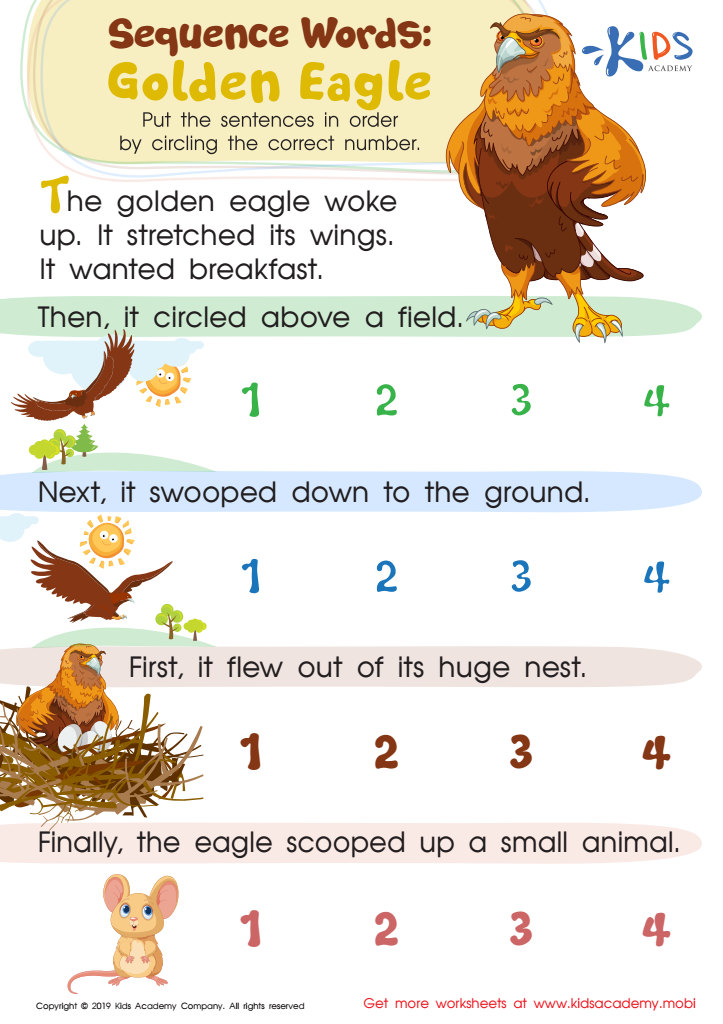
Sequence Word Eagle Worksheet
 Assign to My Students
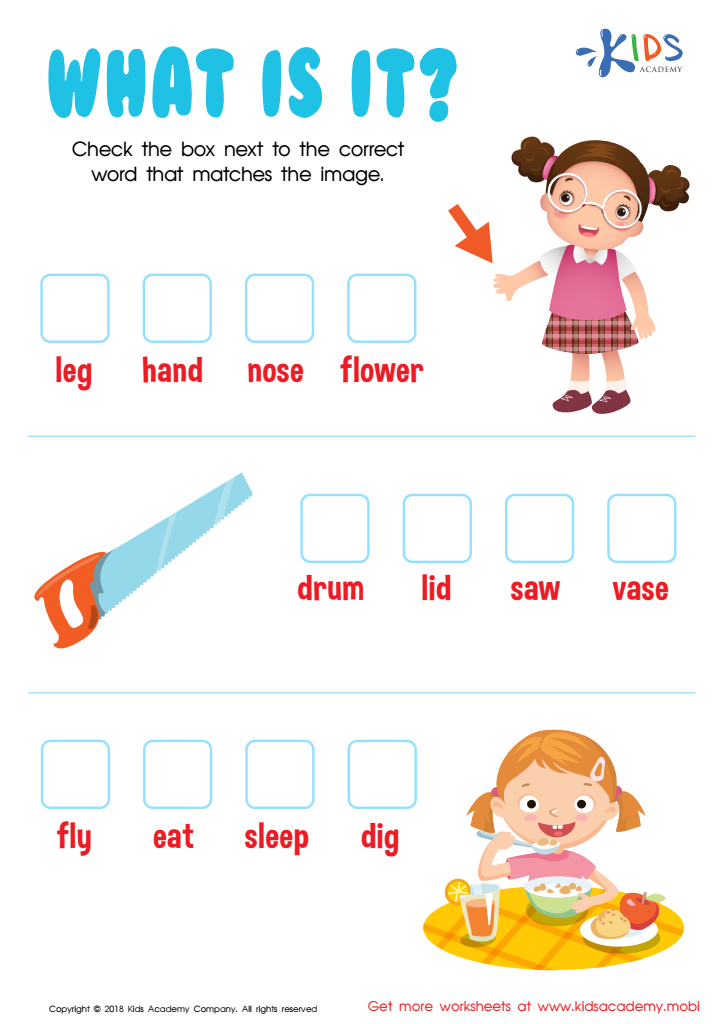
What Is It? Worksheet
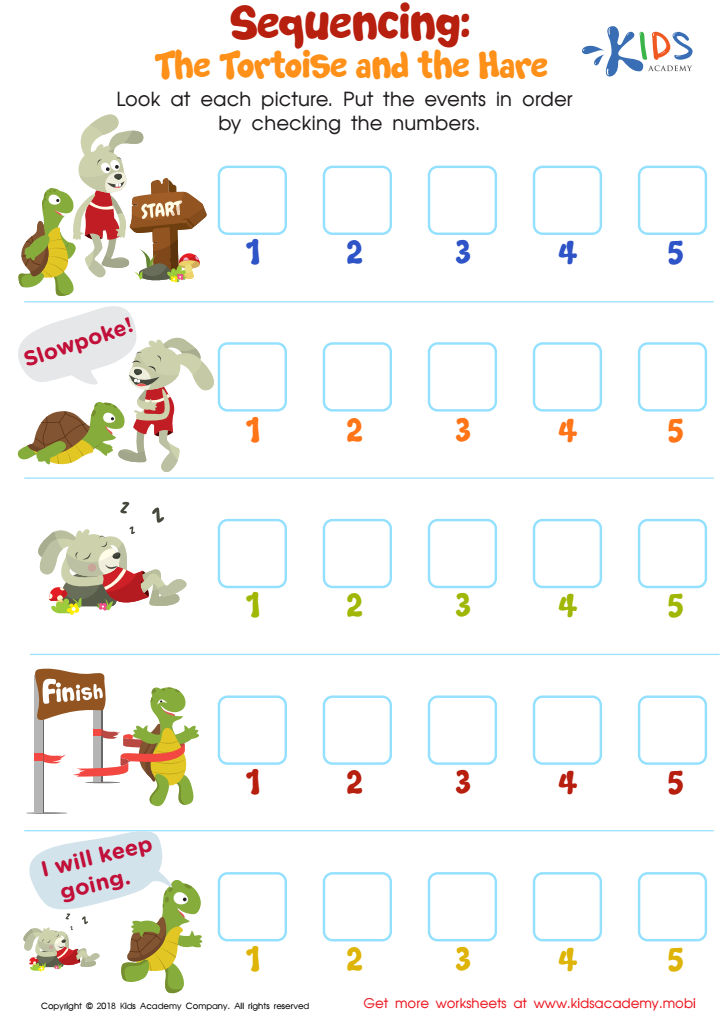
Sequencing: The Tortoise and the Hare Worksheet
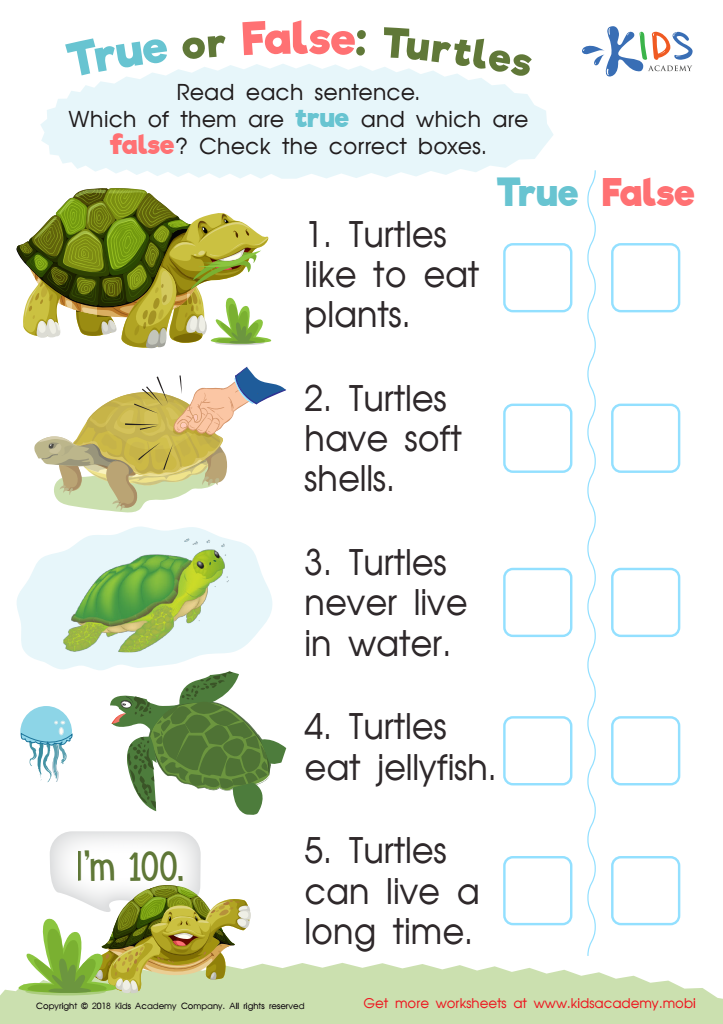
True or False: Turtles Worksheet
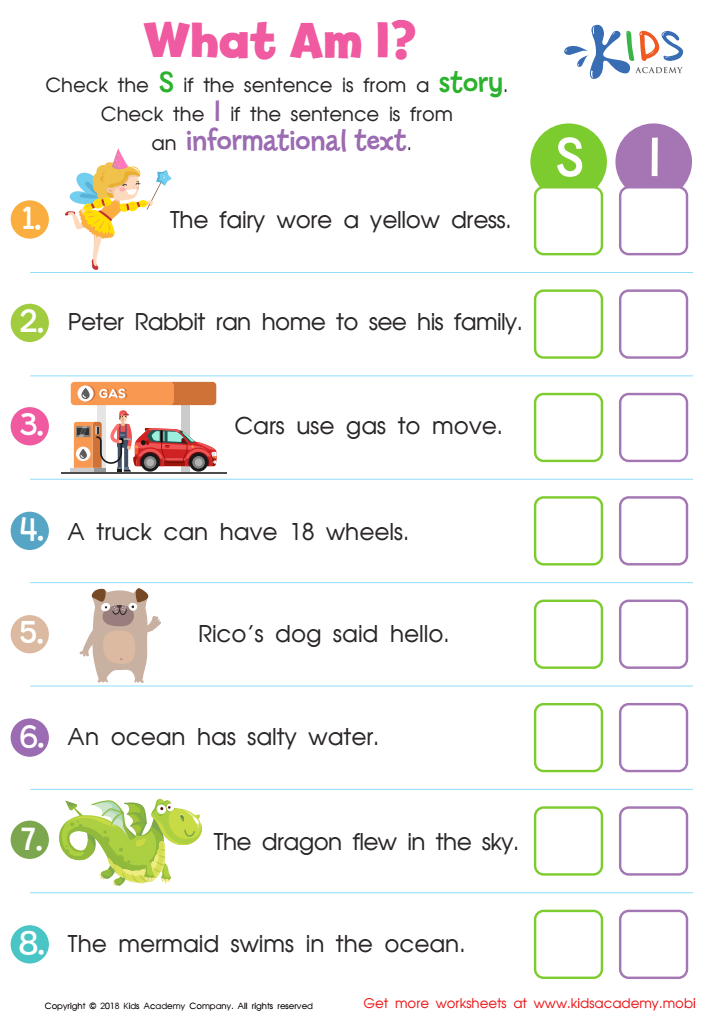
What Am I? Worksheet
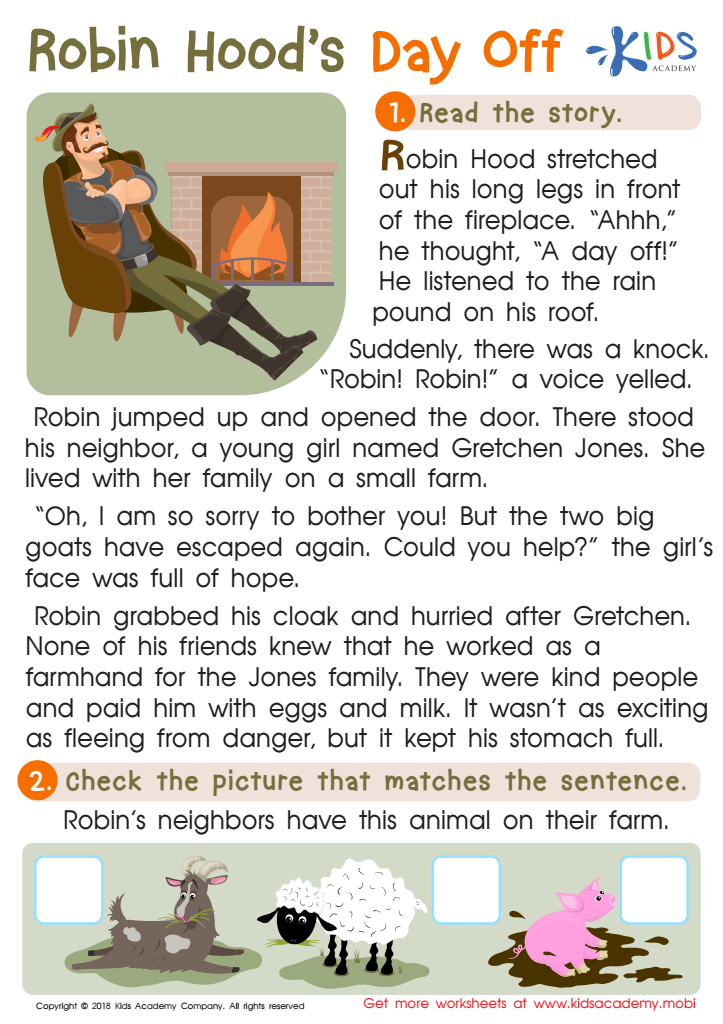
Robin Hood's Day Off Worksheet
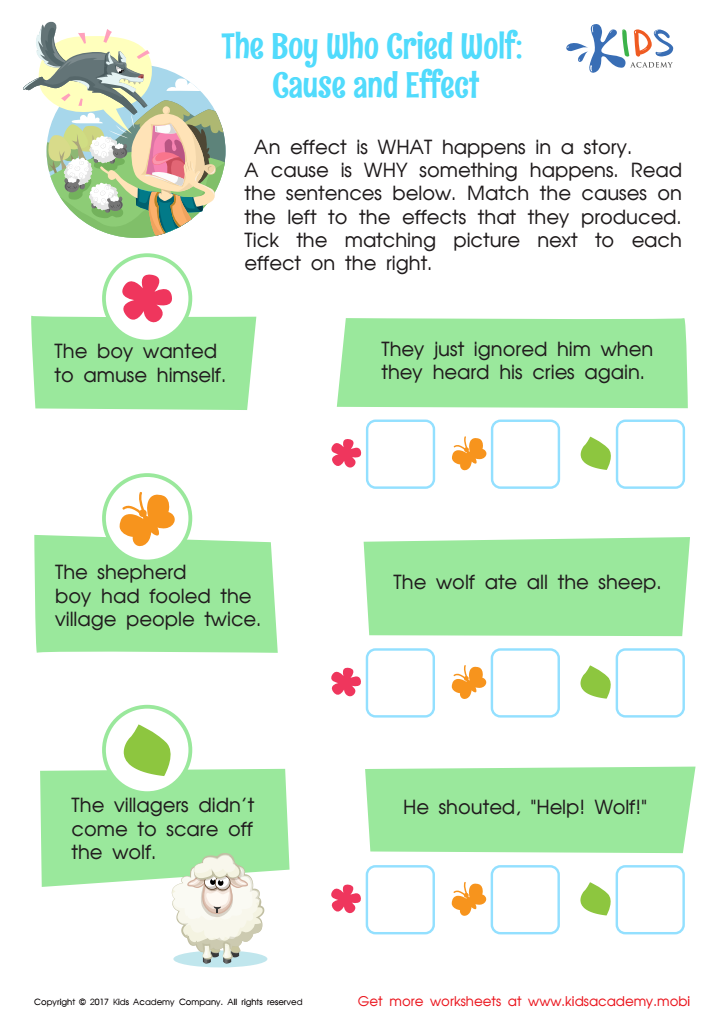
The Boy Who Cried Wolf: Cause and Effect Worksheet
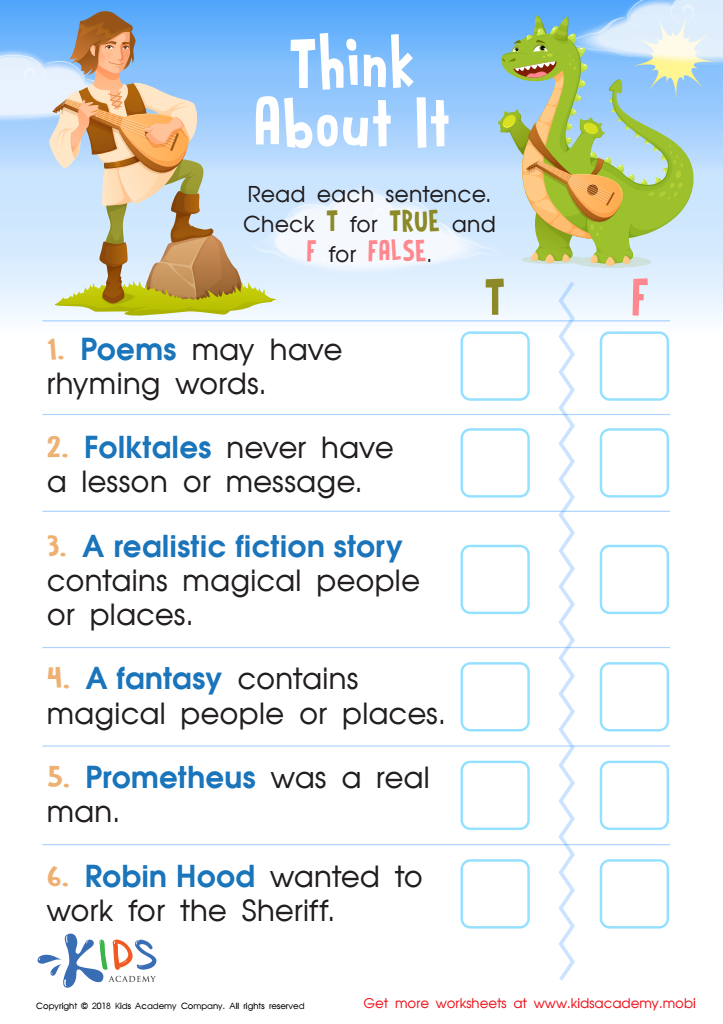
Think About It: Assessment Worksheet







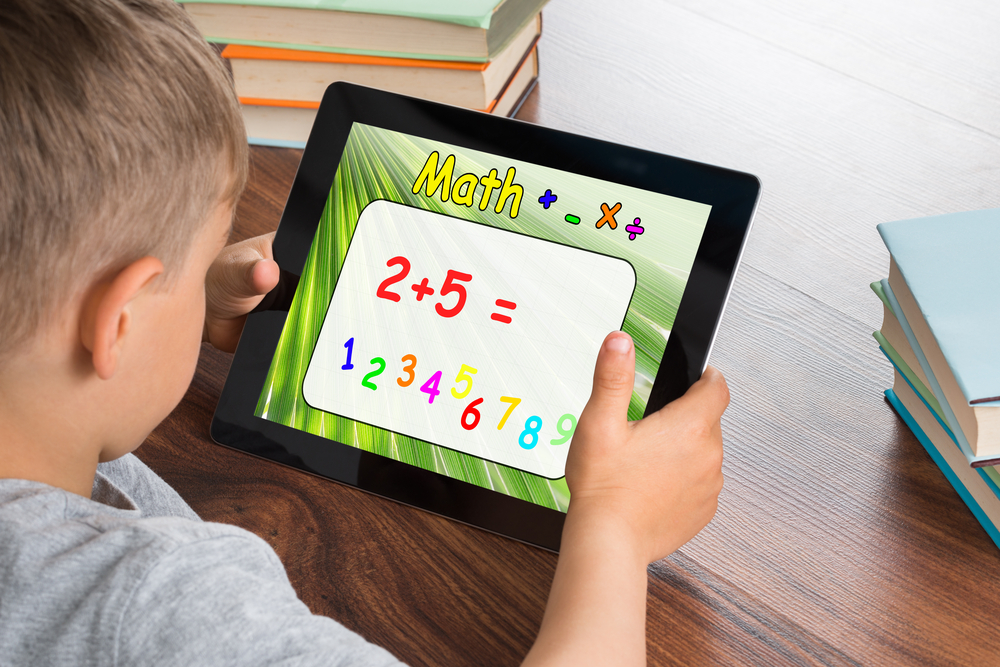
Logical reasoning is a crucial skill for children aged 7-8, as it forms the foundation for critical thinking and problem-solving abilities. At this age, children are beginning to engage more deeply with complex concepts in mathematics, science, and reading comprehension. By promoting logical reasoning, parents and teachers help children develop mental frameworks that enable them to approach challenges systematically.
Engaging in logical reasoning activities fosters analytical skills, encouraging children to make connections between ideas, draw conclusions, and understand the "why" behind various concepts. This cognitive development is not only beneficial for academic success but also equips students with tools for effective decision-making in everyday life. Furthermore, strong logical reasoning skills can enhance a child's ability to communicate ideas clearly and persuasively, essential for collaborative projects and future learning environments.
Supporting logical reasoning in reading encourages children to engage with texts more critically, leading to a richer understanding and enjoyment of literature. Teachers and students alike can benefit from integrating logical reasoning into the curriculum through discussions, puzzles, and real-world applications. Ultimately, prioritizing logical reasoning in education nurtures well-rounded individuals capable of navigating their world with confidence and creativity.








