Alphabet Recognition Normal ABC Letters Worksheets for 7-Year-Olds
18 filtered results
-
From - To
Introduce your 7-year-old to the wonders of the alphabet with our Alphabet Recognition Normal ABC Letters Worksheets! Specially designed for young learners, these engaging worksheets help build foundational reading skills through fun and interactive exercises. Each worksheet focuses on identifying, tracing, and writing both uppercase and lowercase letters, ensuring your child masters the essentials of the alphabet. Filled with vibrant illustrations and playful activities, these worksheets not only support letter recognition but also enhance fine motor skills and boost phonemic awareness. Perfect for at-home practice or classroom reinforcement—start your child’s journey to literacy success today!
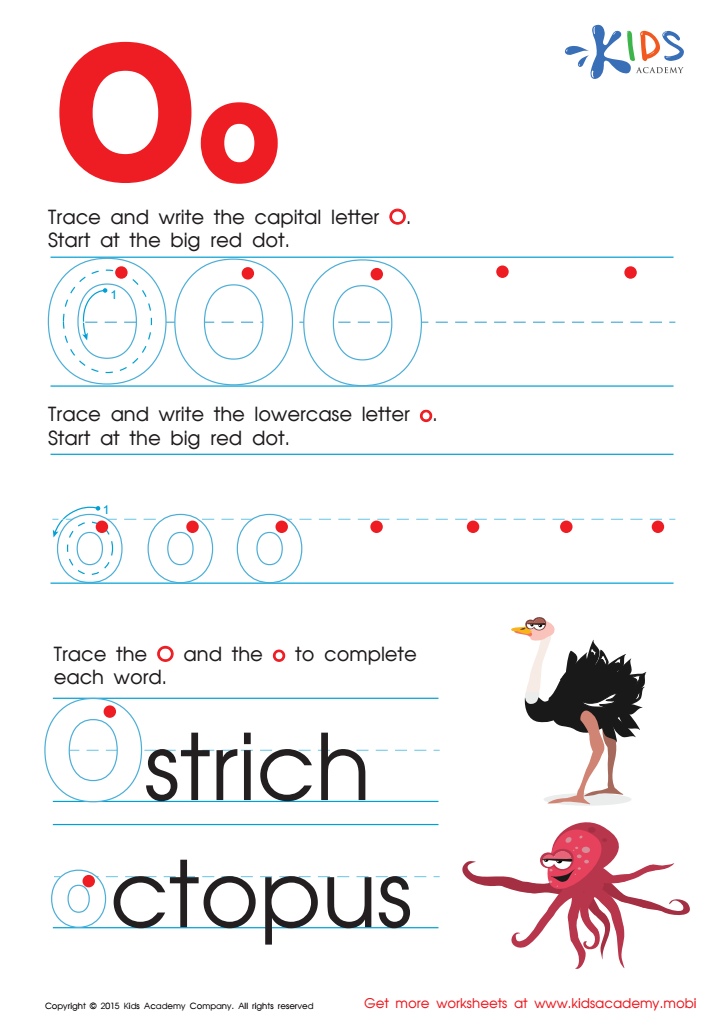
Letter O Tracing Page







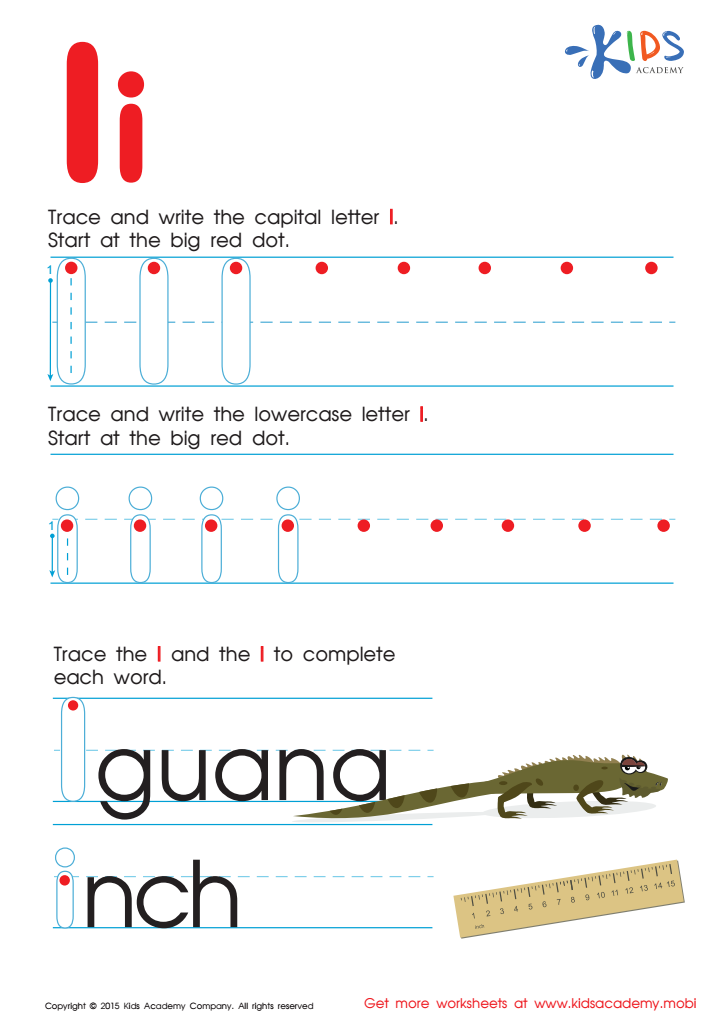
Letter I Tracing Page
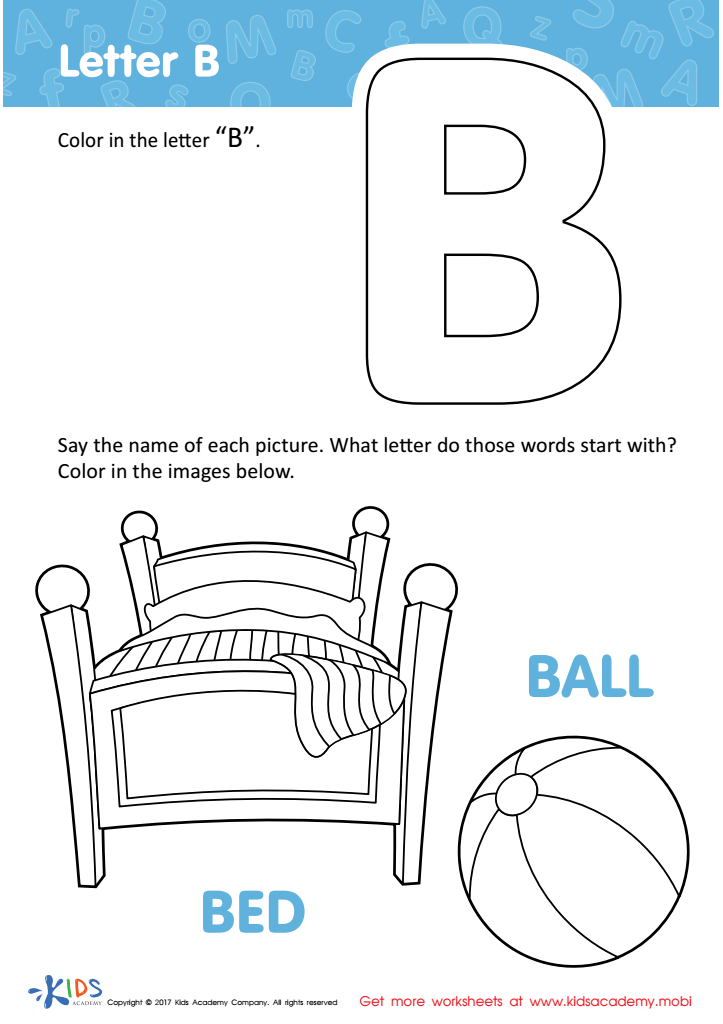
Letter B Coloring Sheet
 Assign to My Students
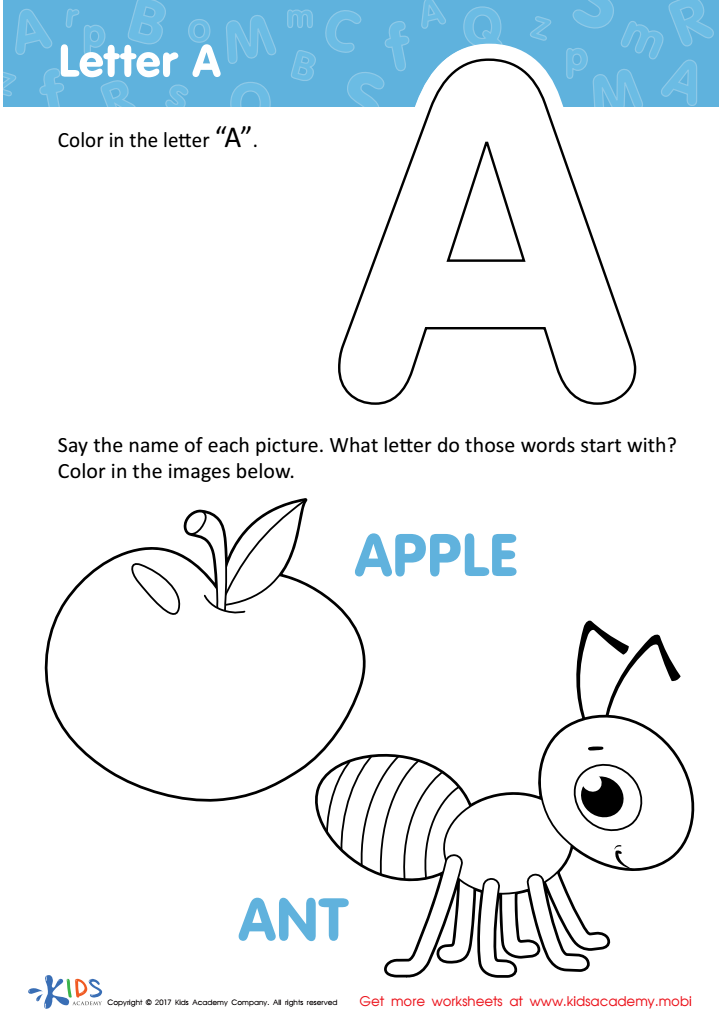
Letter A Coloring Sheet
Assign to My Students
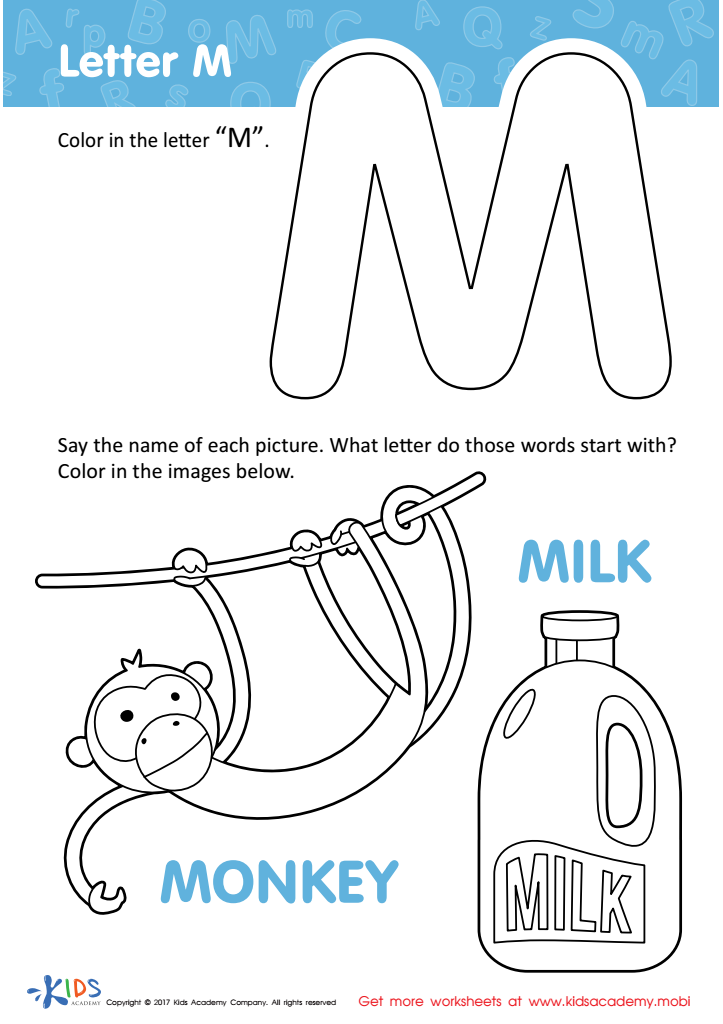
Letter M Coloring Sheet
Assign to My Students
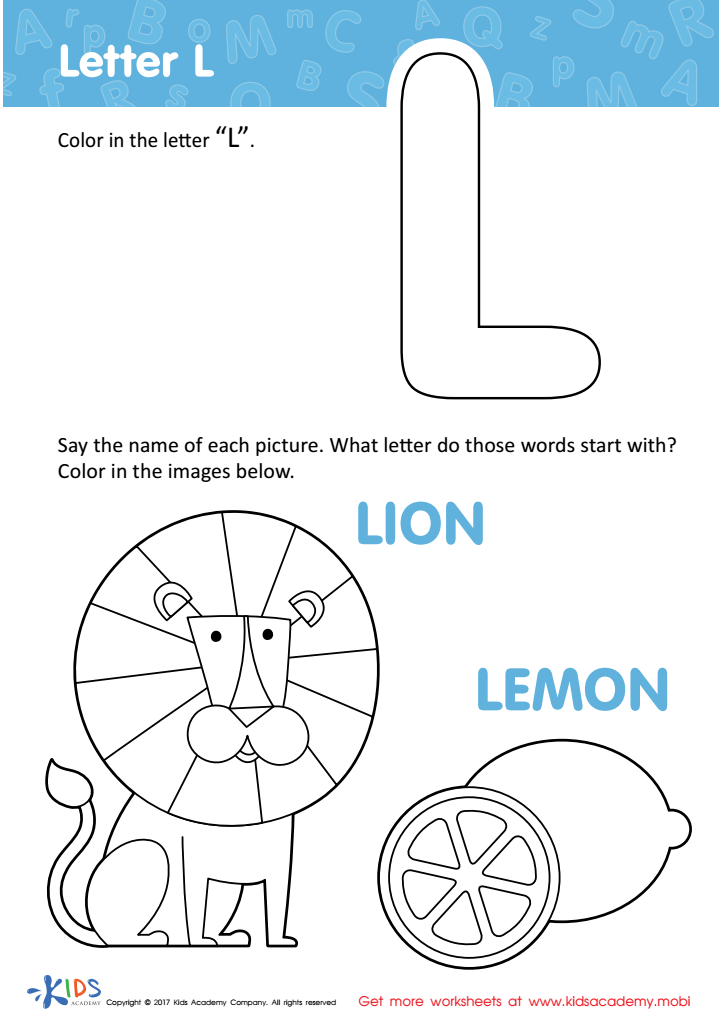
Letter L Coloring Sheet
Assign to My Students

Letter C Tracing Page
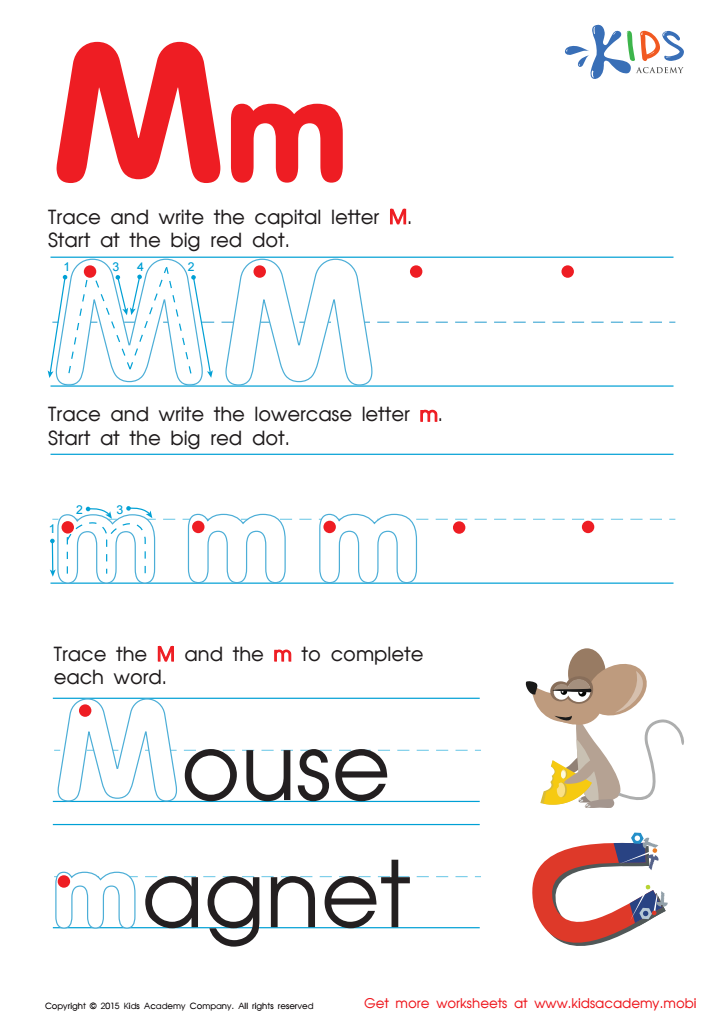
Letter M Tracing Page
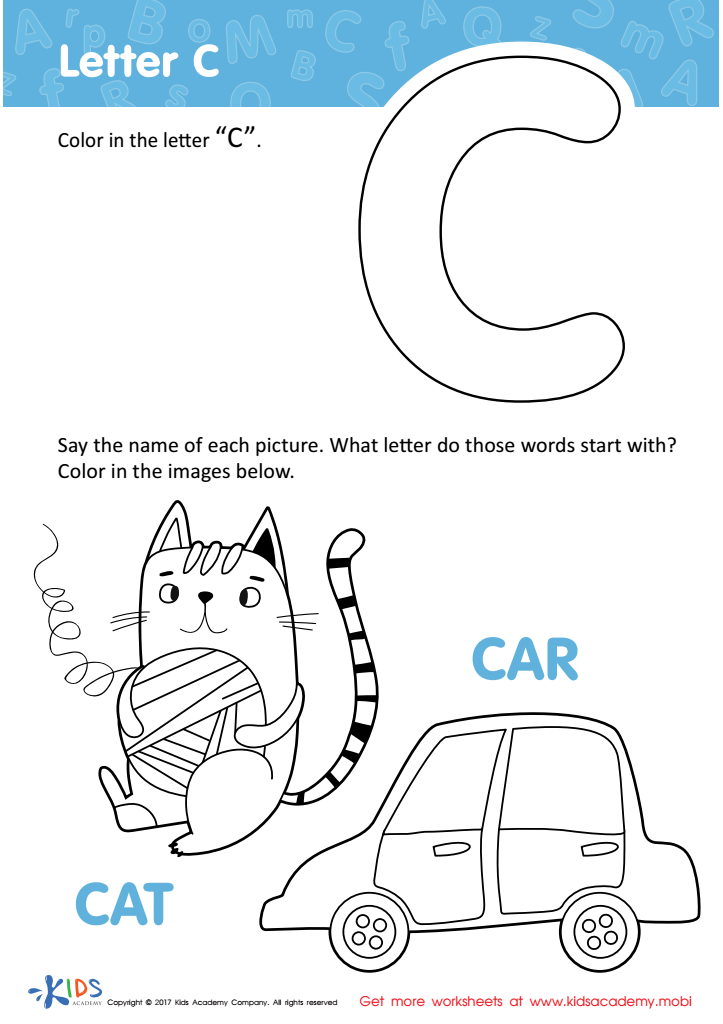
Letter C Coloring Sheet
Assign to My Students
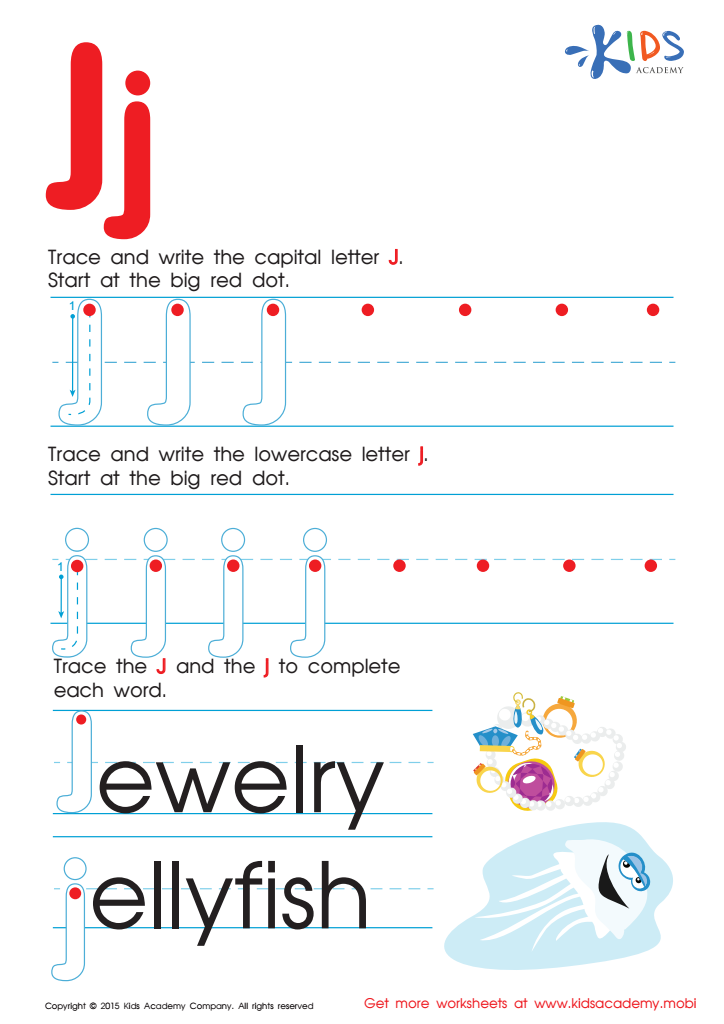
Letter J Tracing Page
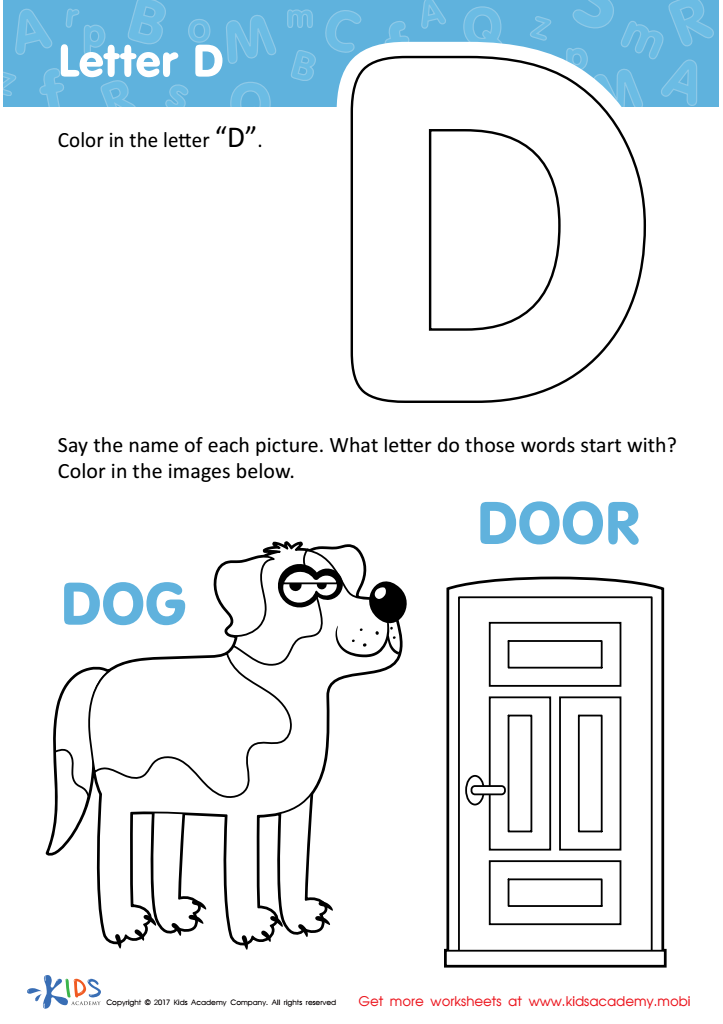
Letter D Coloring Sheet
Assign to My Students
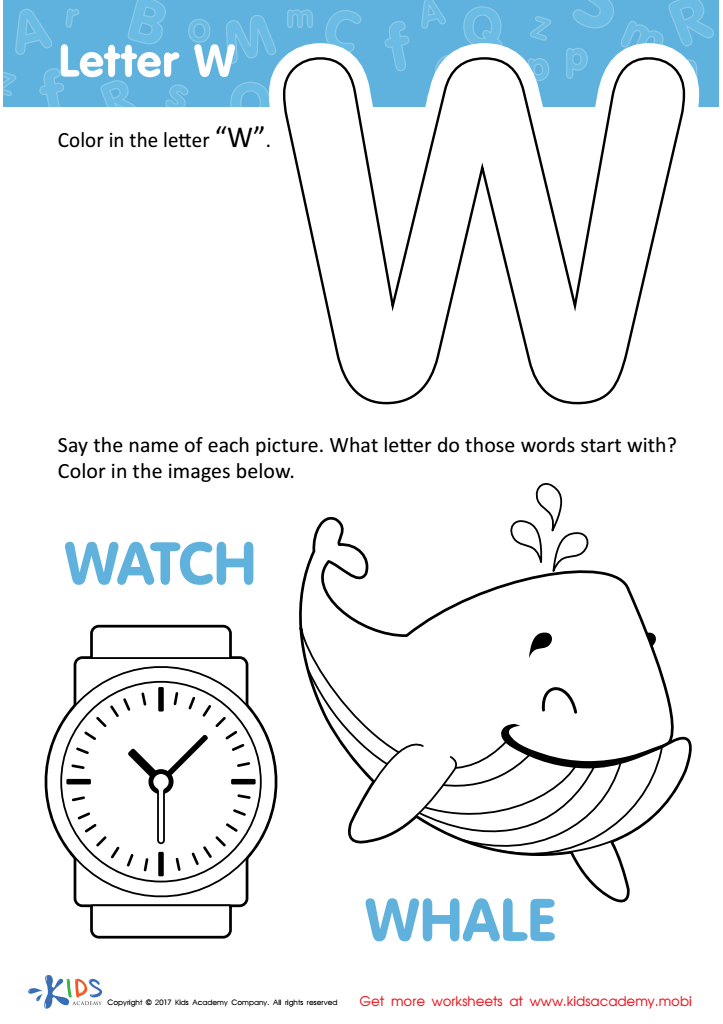
Letter W Coloring Sheet
Assign to My Students
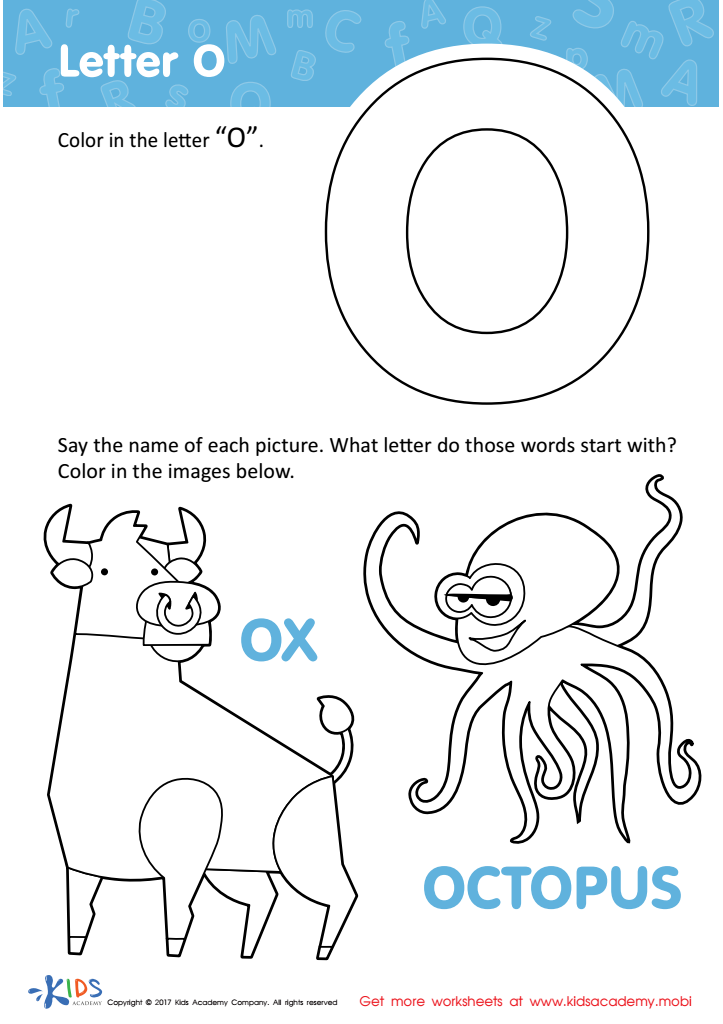
Letter O Coloring Sheet
Assign to My Students
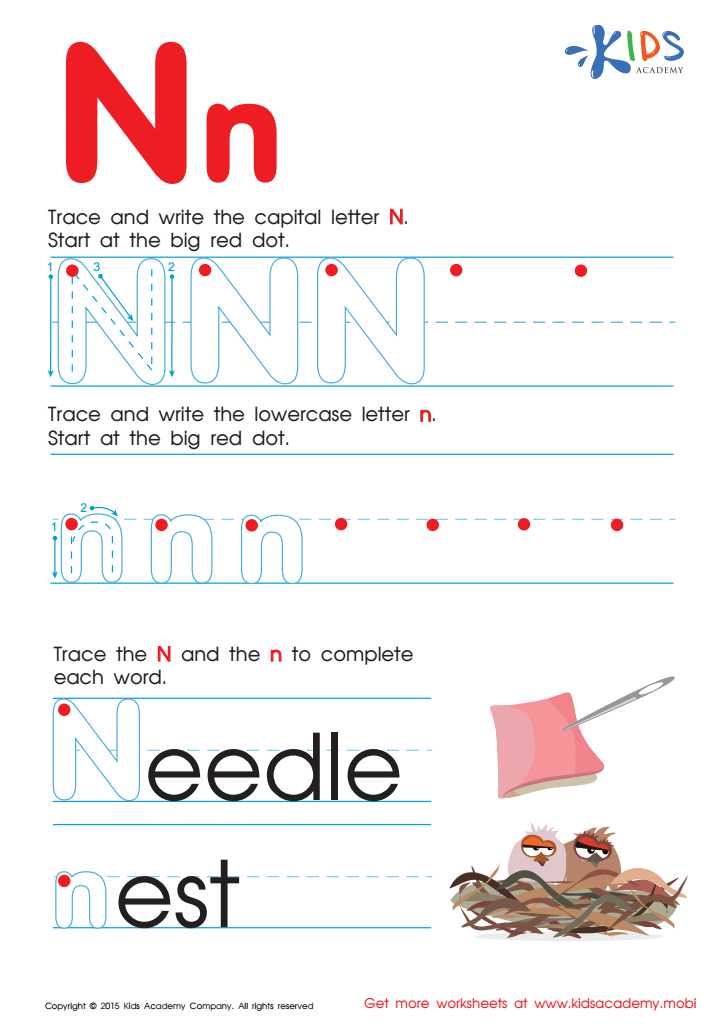
Letter N Tracing Page
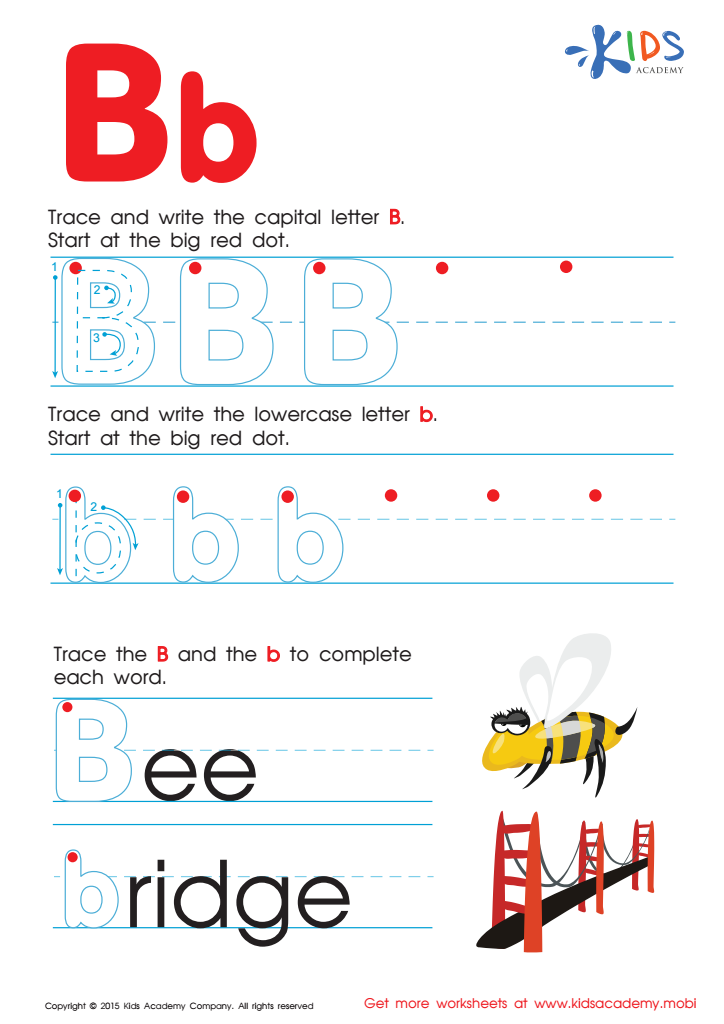
Letter B Tracing Page
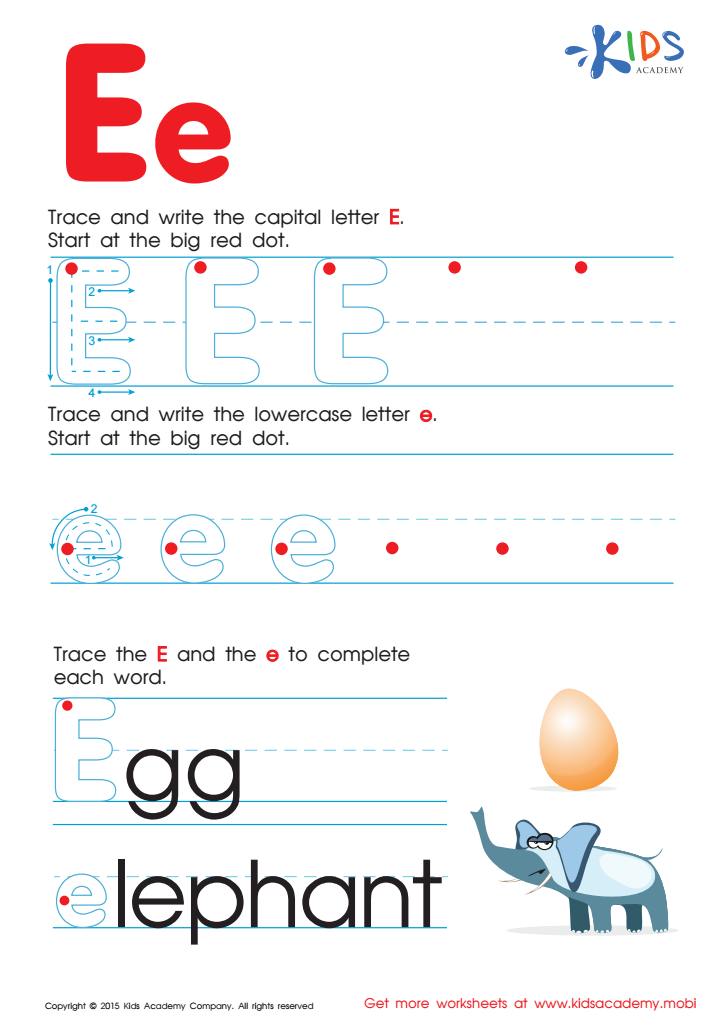
Letter E Tracing Page
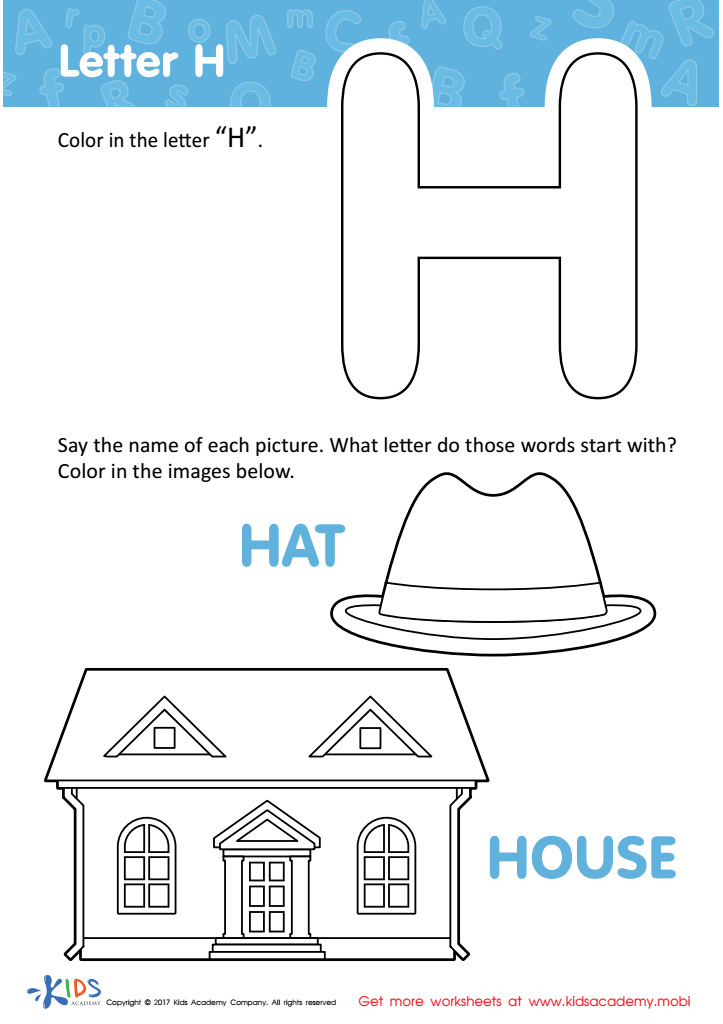
Letter H Coloring Sheet
Assign to My Students
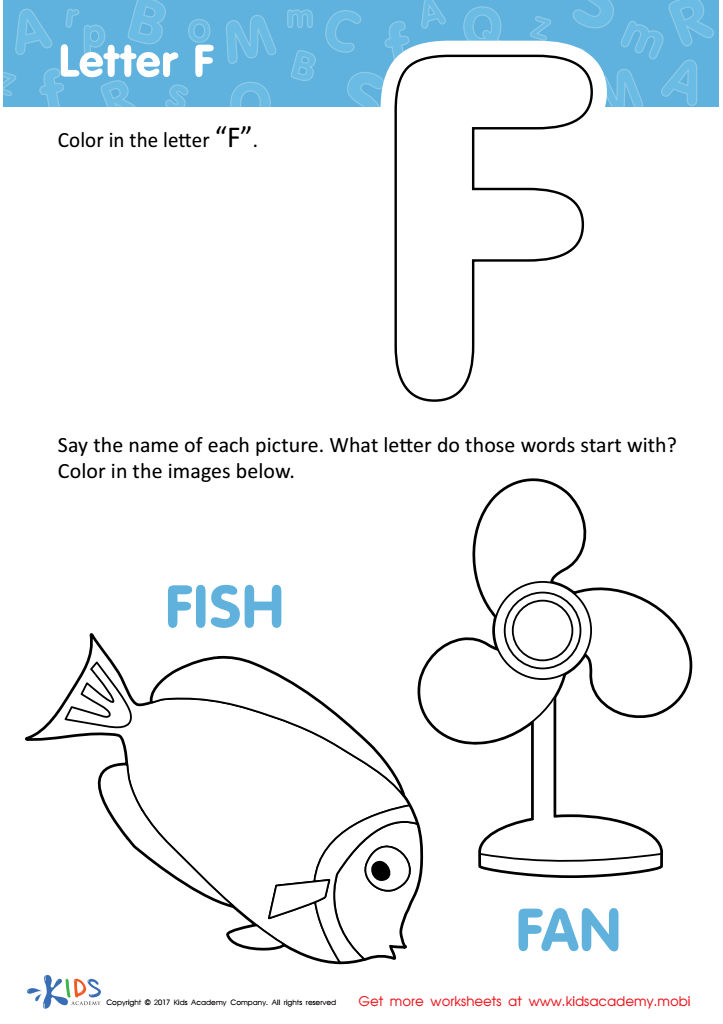
Letter F Coloring Sheet
Assign to My Students







Alphabet recognition is a crucial milestone in early childhood education, especially for 7-year-olds. Parents and teachers should prioritize this skill because it forms the foundation for reading and writing. When children correctly identify and understand normal ABC letters, they can start to associate those letters with sounds, which is essential for phonics, an early reading strategy.
Being proficient in letter recognition also boosts a child's confidence in school. It makes tasks such as reading street signs, understanding instructions, and eventually enjoying books a lot easier. This competence often gives children a head start in vocabulary development and comprehension, skills linked with long-term academic success.
Furthermore, consistent exposure to letters helps refine fine motor skills as children learn to write them accurately. Recognizing alphabet letters helps develop attention to detail and improves visual discrimination, enabling children to differentiate between similar letters and words easily.
Finally, early mastery of alphabet recognition can help in diagnosing learning challenges sooner. If a child struggles with recognizing letters, it may indicate dyslexia or other learning disabilities, prompting timely interventions.
Therefore, parents and teachers should give concerted effort to reinforce alphabet recognition at this critical age, setting the stage for future educational achievements and fostering a lifelong love for learning.







