Motor skills development Normal ABC Letters Worksheets for 7-Year-Olds
3 filtered results
-
From - To
Boost your child's motor skills with our engaging "Normal ABC Letters Worksheets" specially designed for 7-year-olds. These worksheets emphasize hand-eye coordination and fine motor development while reinforcing fundamental literacy skills. As children trace, write, and manipulate the letters of the alphabet, they enhance their grip and control, building confidence along the way. Perfect for both classroom and home learning environments, these activities merge fun and education seamlessly. Explore a variety of exercises that challenge your little ones while keeping them entertained! Get started today to set the groundwork for strong writing skills and a solid understanding of the alphabet.

Letter H Tracing Page











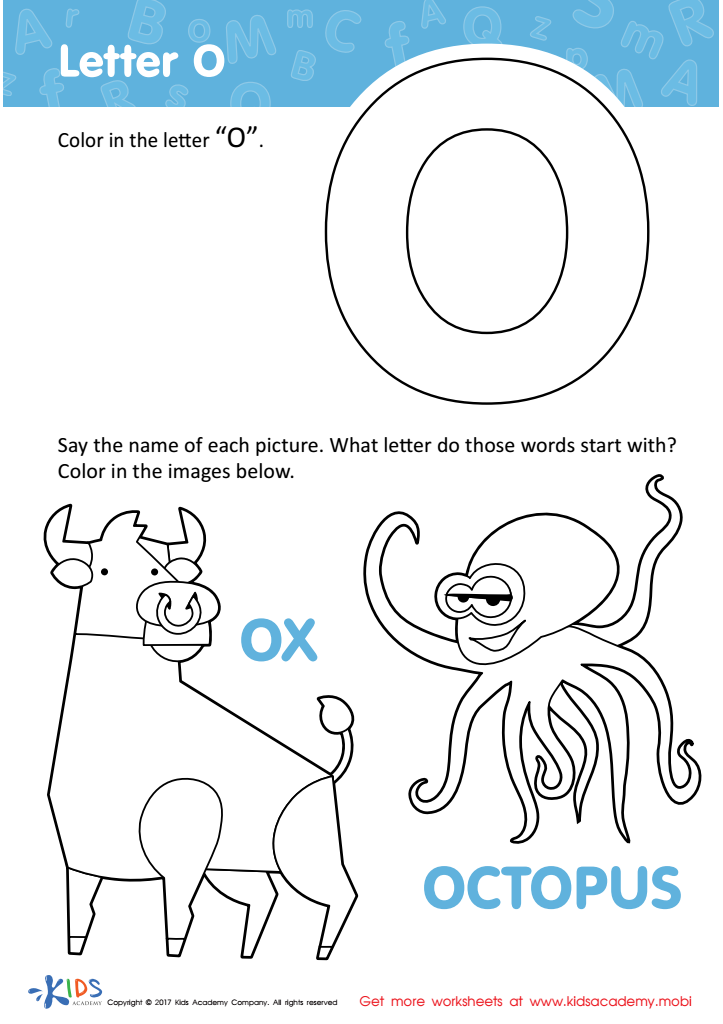
Letter O Coloring Sheet
 Assign to My Students
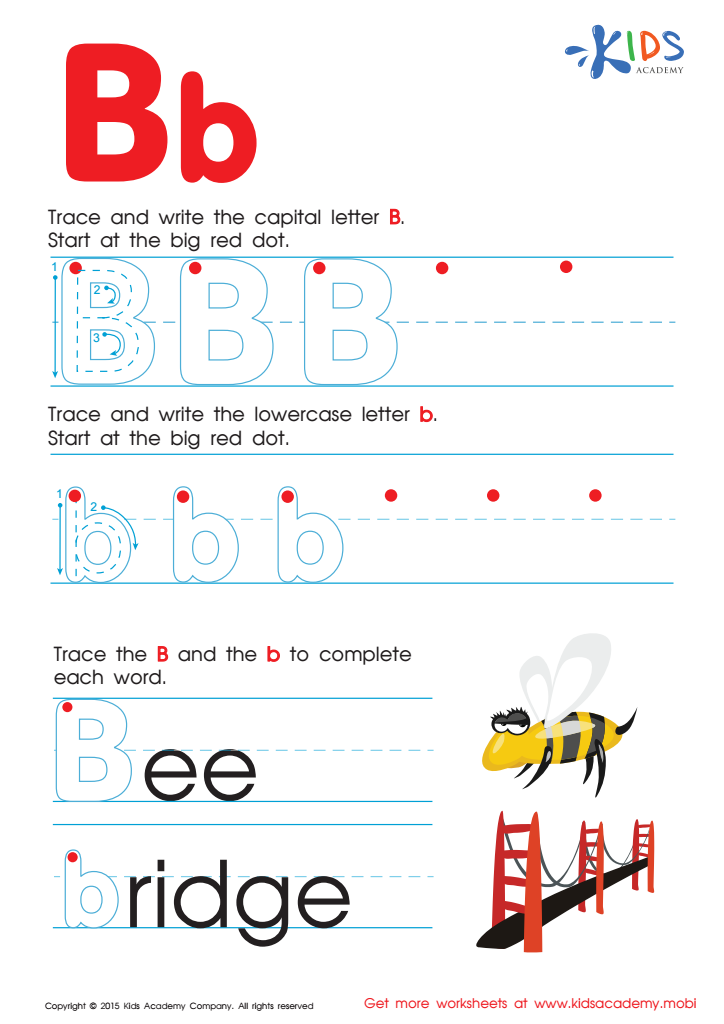
Letter B Tracing Page








Motor skills development, particularly in writing the letters of the alphabet, is crucial for 7-year-olds as it underpins their academic success and everyday functioning. At this age, children refine their fine motor skills, which are essential for tasks ranging from writing to manipulating small objects. Proper formation of letters not only fosters good handwriting but also enhances cognitive development and language skills. When students can confidently write letters, they can focus more on the content of their work rather than the mechanics of writing.
Teachers and parents should care about this development because it impacts a child's overall confidence and self-esteem. Poor motor skills can lead to frustration with writing tasks, potentially causing a negative attitude toward learning. Early intervention can provide strategies to support children who struggle with motor skill challenges, helping them to keep pace with peers.
In addition, strong motor skills are correlated with other developmental domains, including social skills, as children engage the writing during communication. By emphasizing letter formation practices, parents and teachers play a vital role in promoting not only academic achievement but also nurturing a lifelong love of learning in their children. Therefore, supporting motor skills development is an investment in a child's future.







