Motor skills development Normal Alphabet Worksheets for 7-Year-Olds
3 filtered results
-
From - To
Enhance your 7-year-old's motor skills with our engaging alphabet worksheets designed specifically for this age group. At Kids Academy, our expertly crafted activities provide fun and effective practice for writing and letter recognition, crucial for developing fine motor skills. Our worksheets offer a variety of exercises that promote correct letter formation, pencil grip, and hand-eye coordination, laying a strong foundation for further academic success. Foster your child's growth and confidence in mastering the alphabet through these interactive learning tools. Download now and watch your child's skills flourish with consistent practice and encouragement.

Letter H Tracing Page
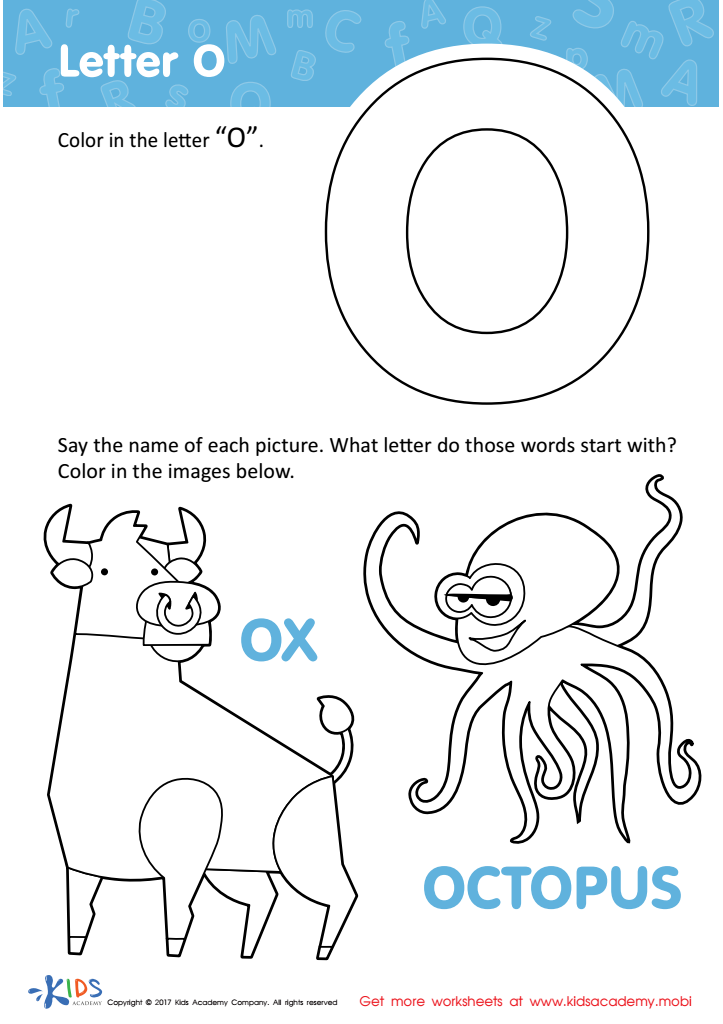
Letter O Coloring Sheet
 Assign to My Students
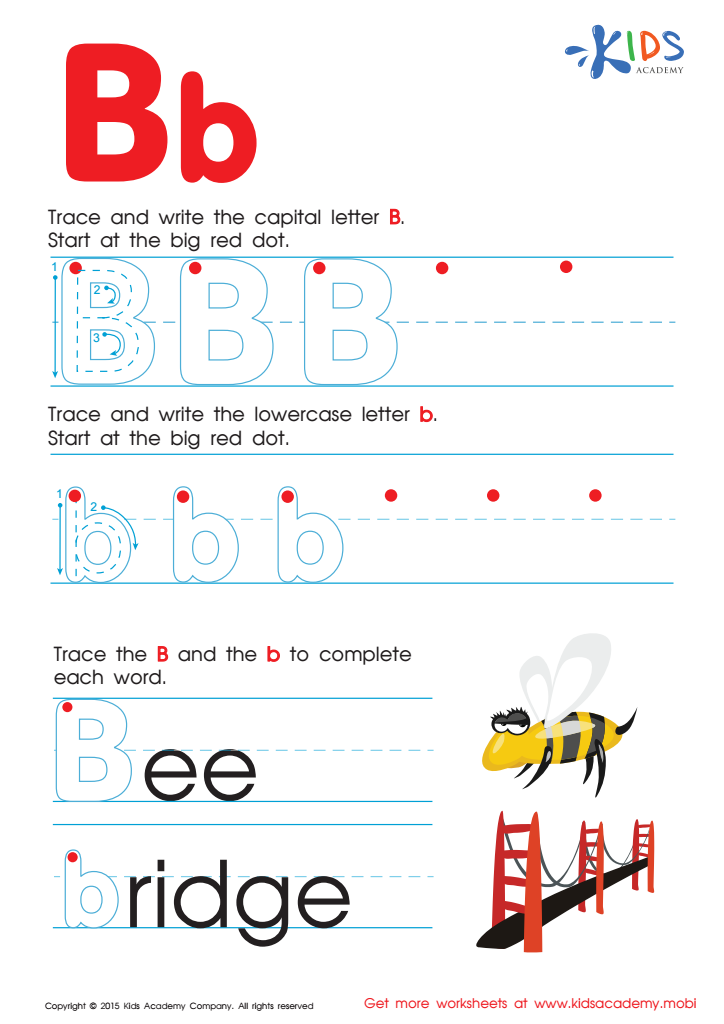
Letter B Tracing Page








Motor skills development in 7-year-olds is crucial for their overall growth and well-being. Parents and teachers should care about it because it directly influences a child's ability to perform everyday activities effectively. Fine motor skills, like holding a pencil, using scissors, or tying shoelaces, are essential for academic tasks such as writing, drawing, and cutting. A child who struggles with these skills may face challenges in keeping up with classroom activities and homework, potentially affecting their self-esteem and academic performance.
Gross motor skills, including running, jumping, and hand-eye coordination, are also important. They ensure that children participate in physical activities, which are vital for their health and social development. Engaging in sports or playground activities helps children maintain a healthy lifestyle, develop teamwork skills, and learn to navigate social interactions.
Moreover, motor skills development is linked to cognitive skills. Activities that require precise motor control often demand concentration and problem-solving, which enhance brain development. Educationally, fostering motor skills from an early age can help children build a strong foundation for both academic and lifelong success. Therefore, by paying attention to motor skills development, parents and teachers ensure that children grow up with the abilities necessary to thrive in various aspects of life.







