Problem-Solving Skills Normal Alphabet Worksheets for 7-Year-Olds
3 filtered results
-
From - To
Enhance your child's critical thinking with our "Problem-Solving Skills Normal Alphabet Worksheets" designed specifically for 7-year-olds! These printable resources combine foundational alphabet practice with engaging problem-solving activities that stimulate creativity and boost cognitive development. Each worksheet features fun, age-appropriate tasks that challenge young learners to think critically, work through puzzles, and build essential skills while reinforcing their understanding of the alphabet. Perfect for home or classroom use, these worksheets make learning enjoyable and interactive, helping kids thrive in their educational journey. Download now and empower your child to tackle challenges with confidence and enthusiasm!
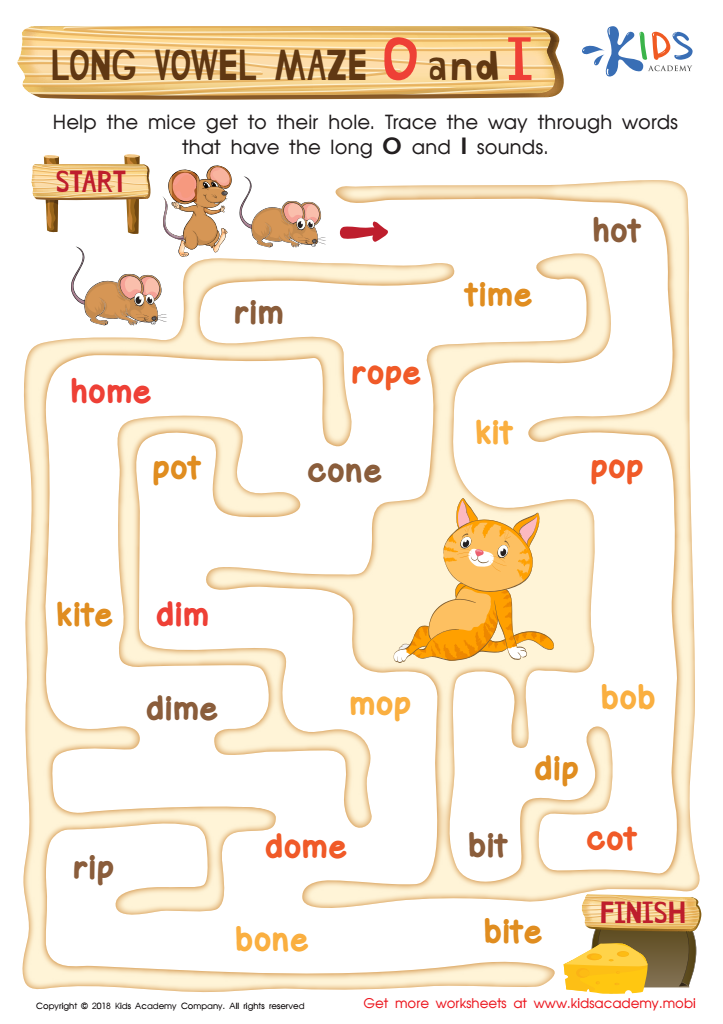
Long Vowel Maze /o/ and /i/ Worksheet
 Assign to My Students
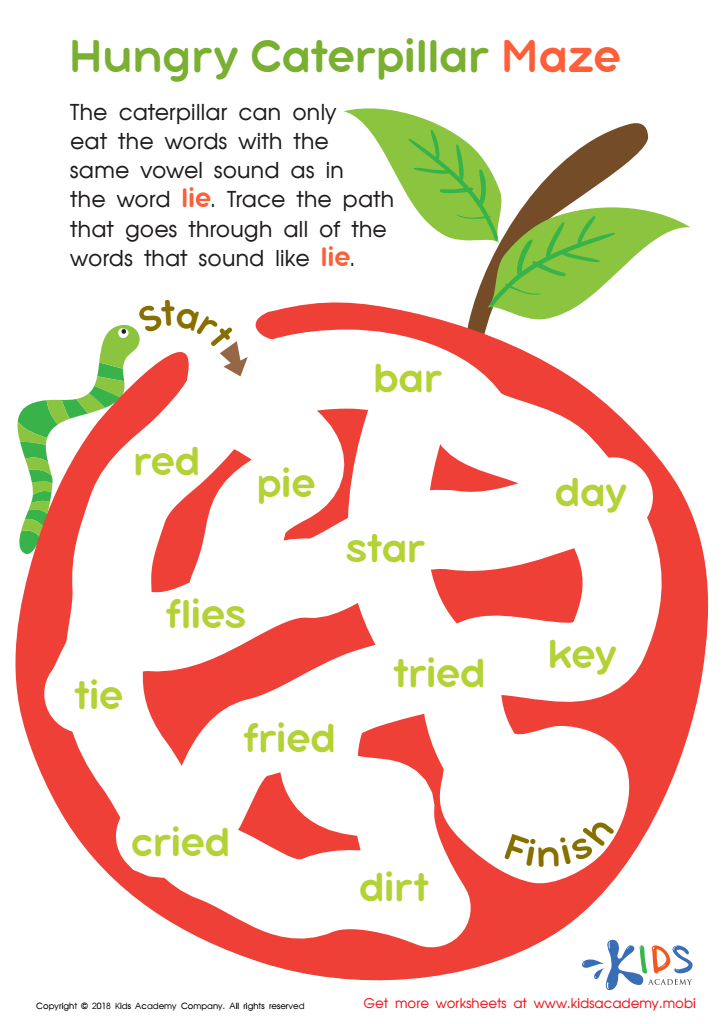
Hungry Caterpillar Maze Worksheet
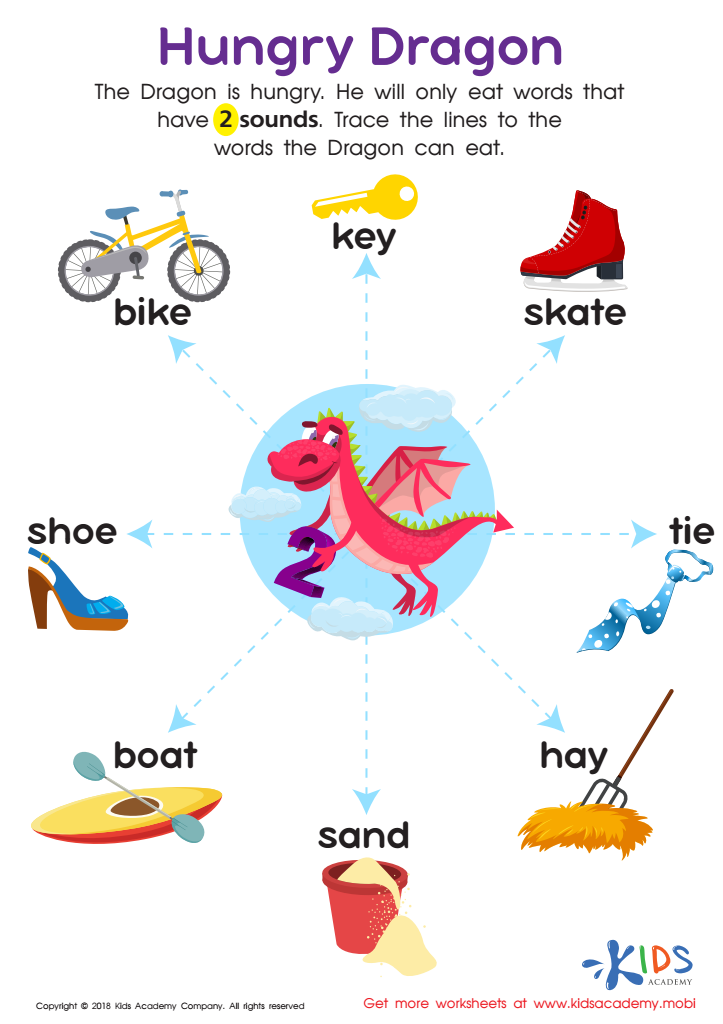
Hungry Dragon Worksheet






Problem-solving skills are crucial for 7-year-olds as they lay the foundation for critical thinking and lifelong learning. At this age, children begin to encounter more complex tasks and challenges, both in school and their everyday lives. Developing strong problem-solving abilities enables them to approach difficulties with confidence, encouraging persistence and resilience.
Teaching children how to systematically analyze problems and explore potential solutions boosts their cognitive development. This skill not only applies to academic subjects, like math and science, but also influences their social interactions and emotional regulation. For instance, children use problem-solving skills to navigate conflicts with peers or manage frustrations when facing obstacles.
Parents and teachers play a pivotal role in fostering these skills through supportive environments and engaging activities. Encouraging children to ask questions, brainstorm ideas, and draw connections between concepts can significantly enhance their cognitive flexibility and creativity. Additionally, integrating real-life scenarios or hands-on projects encourages collaborative problem-solving, promoting teamwork and communication.
Overall, investing time in nurturing problem-solving skills in 7-year-olds contributes to their self-esteem and equips them with essential tools for their future, making it a worthwhile focus for both educators and caregivers.







