Hand-eye Coordination Normal Letter Recognition Worksheets for 7-Year-Olds
5 filtered results
-
From - To
Boost your 7-year-old’s learning with our Hand-Eye Coordination Normal Letter Recognition Worksheets! Designed to enhance hand-eye coordination, these engaging activities help young learners identify and write letters accurately. Through fun exercises and colorful visuals, children will improve their motor skills while mastering the alphabet. Perfect for both classroom and home use, our worksheets provide a captivating way for kids to develop critical foundational skills. Dive into a world of education where playful interactions meet purposeful learning. Explore our comprehensive collection today and watch your child’s abilities soar!
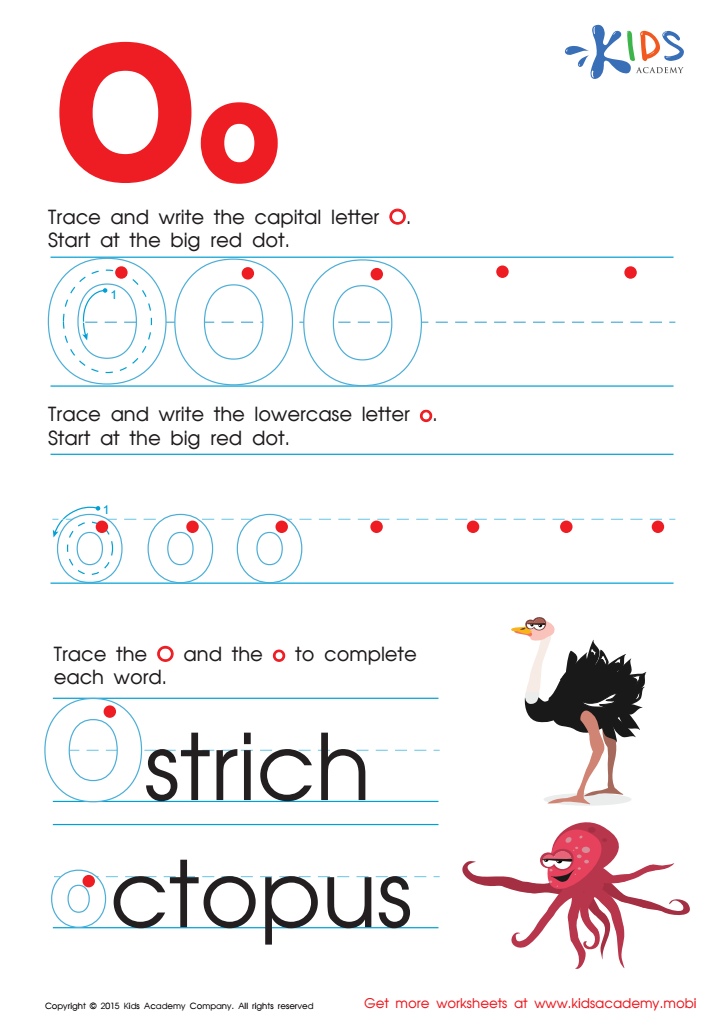
Letter O Tracing Page
 Assign to My Students
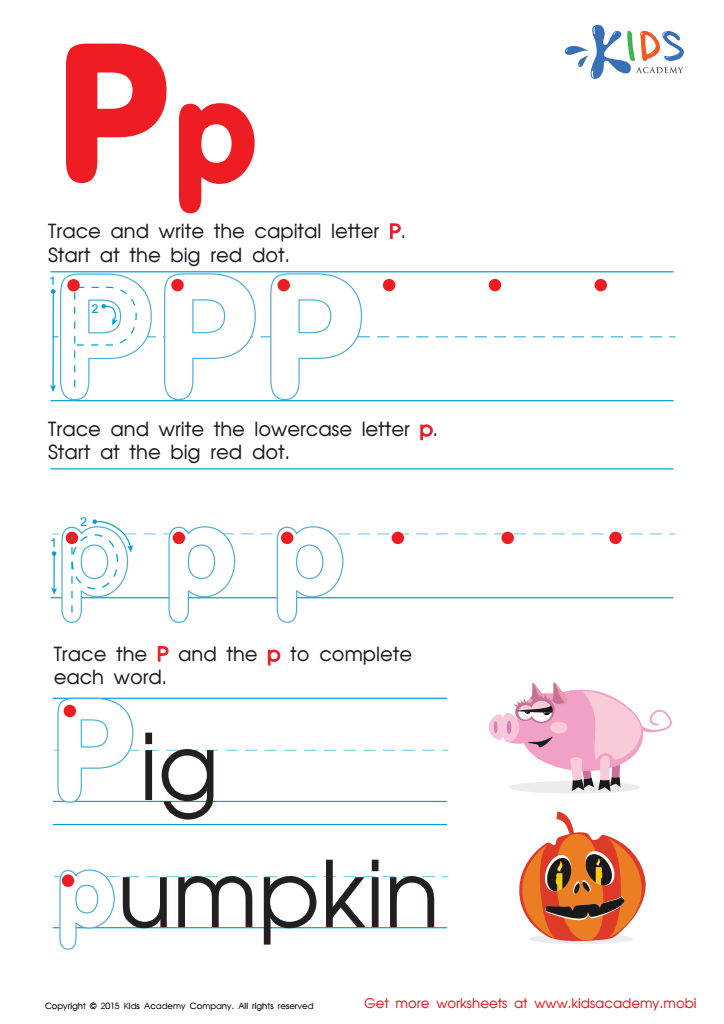
Letter P Tracing Page

Letter H Tracing Page
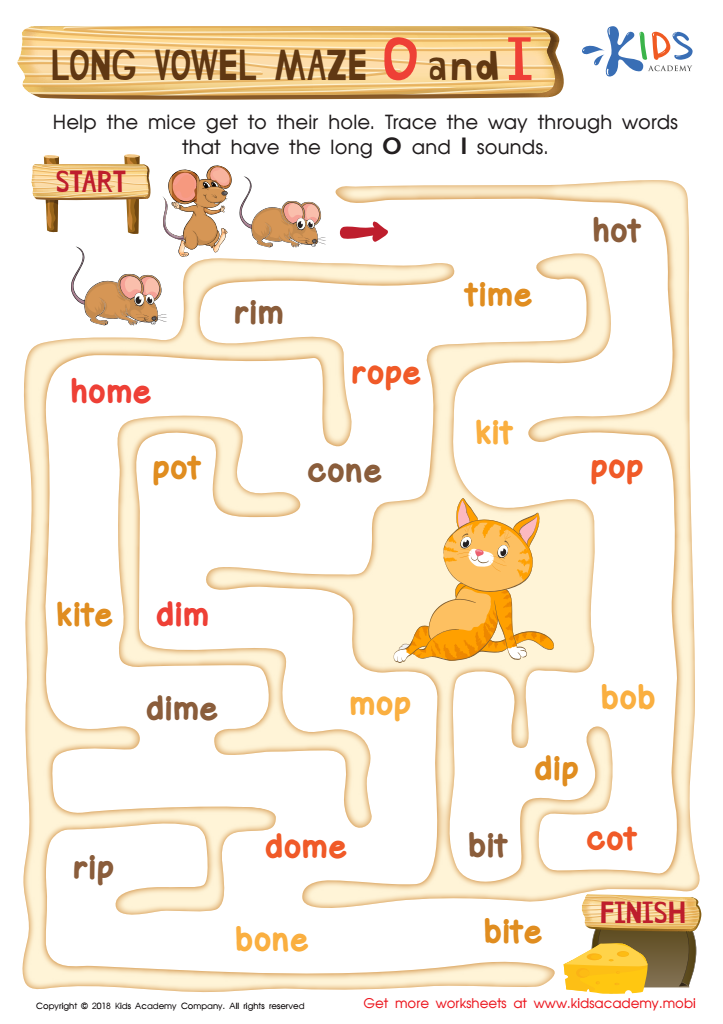
Long Vowel Maze /o/ and /i/ Worksheet
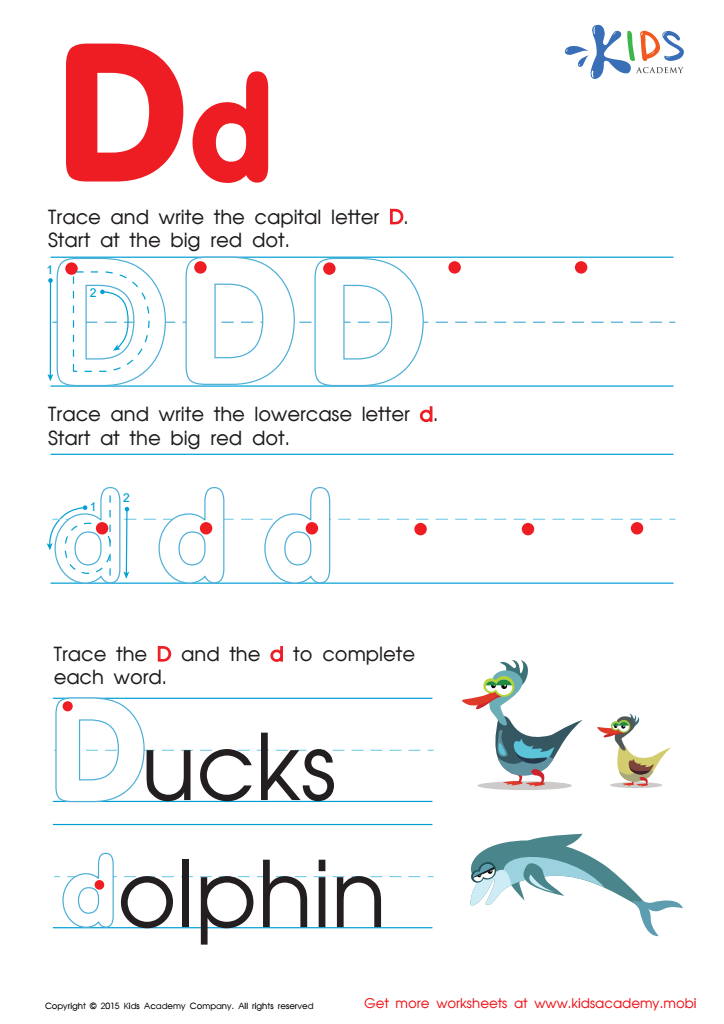
Letter D Tracing Page








Hand-eye coordination and normal letter recognition are critical developmental milestones for 7-year-olds, forming foundational skills essential for academic and daily life success. Parents and teachers should pay close attention to these areas for several reasons.
First, hand-eye coordination is fundamental for writing, a skill central to almost all school activities. It enables children to control their hand movements precisely, making it easier to form letters and numbers accurately. Good hand-eye coordination also supports other daily tasks like tying shoelaces, buttoning clothes, and participating in physical activities—each fostering independence and self-esteem.
Normal letter recognition is equally crucial. By age 7, children should be comfortable identifying and distinguishing letters. This ability significantly influences reading skills, which, in turn, affects comprehension, vocabulary building, and overall academic performance. Struggles in letter recognition can lead to difficulties in reading, potentially triggering a negative ripple effect across subjects like science and social studies, which rely heavily on reading proficiency.
Interventions or supportive activities at this stage can address and correct deficiencies, fostering smoother academic progression and avoiding future learning frustrations. Therefore, dedicated attention to developing these skills by parents and teachers ensures children create robust foundations, positioning them for future academic success and everyday competence.








