Motor skills development Normal Letter Recognition Worksheets for 7-Year-Olds
3 filtered results
-
From - To
Enhance your 7-year-old's motor skills and letter recognition with our expertly crafted worksheets. Designed specifically for young learners, these engaging activities help children grasp letter shapes while developing fine motor coordination through tracing and writing exercises. Each worksheet is tailored to captivate kids' interest and boost their learning progress. By integrating fun and education, these worksheets ensure a solid foundation in reading and writing. Perfect for parents and teachers, they offer a structured approach to mastering the alphabet, fostering both confidence and academic success. Discover the perfect resource for vibrant and effective early education today!

Letter H Tracing Page
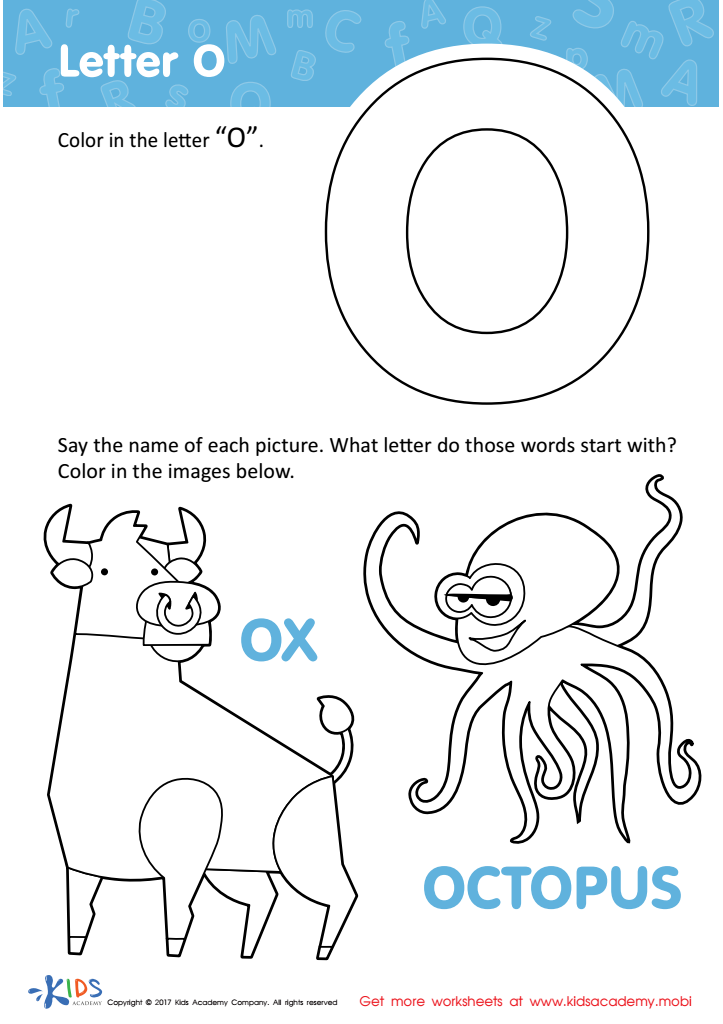
Letter O Coloring Sheet
 Assign to My Students
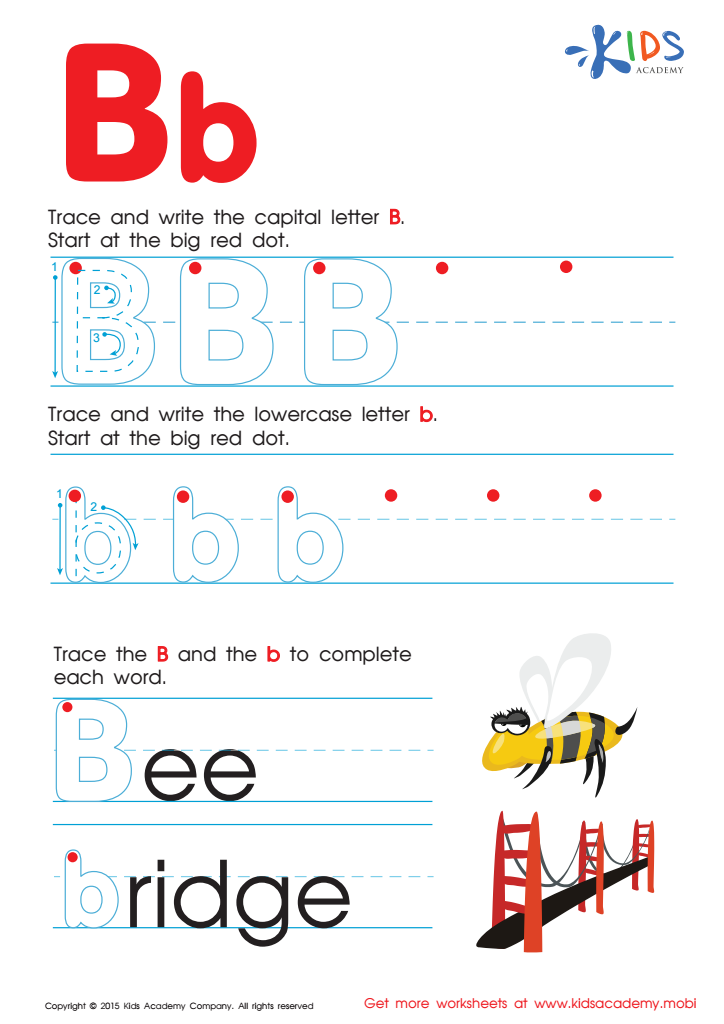
Letter B Tracing Page








Motor skills development and normal letter recognition are critical components in a 7-year-old's developmental journey, and here's why parents and teachers should pay close attention:
Firstly, fine motor skills, which involve the dexterity of small muscles in the hands and fingers, are essential for writing. If a child struggles with these skills, they may find it challenging to hold a pencil correctly, form letters, and ultimately, express their thoughts on paper. This can lead to frustration or a lack of interest in academic activities.
Secondly, normal letter recognition is the foundation of reading. It allows children to identify and differentiate between letters, laying the groundwork for reading fluently. Without basic letter recognition, larger linguistic skills can't develop, hampering reading comprehension, vocabulary expansion, and overall academic performance.
Furthermore, abilities in these areas contribute to a child's confidence and independence in the classroom. They facilitate active participation in different activities and interactions, enhancing a child's overall learning experience.
Finally, early attention to these areas can identify potential learning difficulties such as dyslexia or dyspraxia, allowing for early intervention. Early support can significantly improve a child’s educational trajectory, helping them to reach their full potential. Thus, paying attention to motor skills and letter recognition is vital for a child's holistic development.








