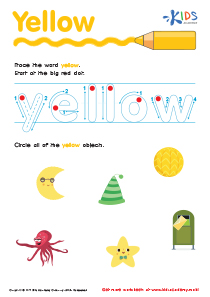
Motor skills development Normal English for Beginners Worksheets for 7-Year-Olds
3 filtered results
-
From - To
Optimize motor skills development in young learners with our engaging Normal English for Beginners Worksheets, designed for 7-year-olds. At an age where children are building fundamental skills, our curated worksheets effectively enhance both fine and gross motor coordination while introducing them to English as a second language. With a variety of activities tailored to foster learning and motor abilities, these worksheets provide a fun, interactive, and educational experience. Perfect for parents and educators aiming to develop young students' writing, cutting, coloring, and hand-eye coordination through stimulating exercises. Set your child up for success with our expertly crafted resources.

Letter H Tracing Page
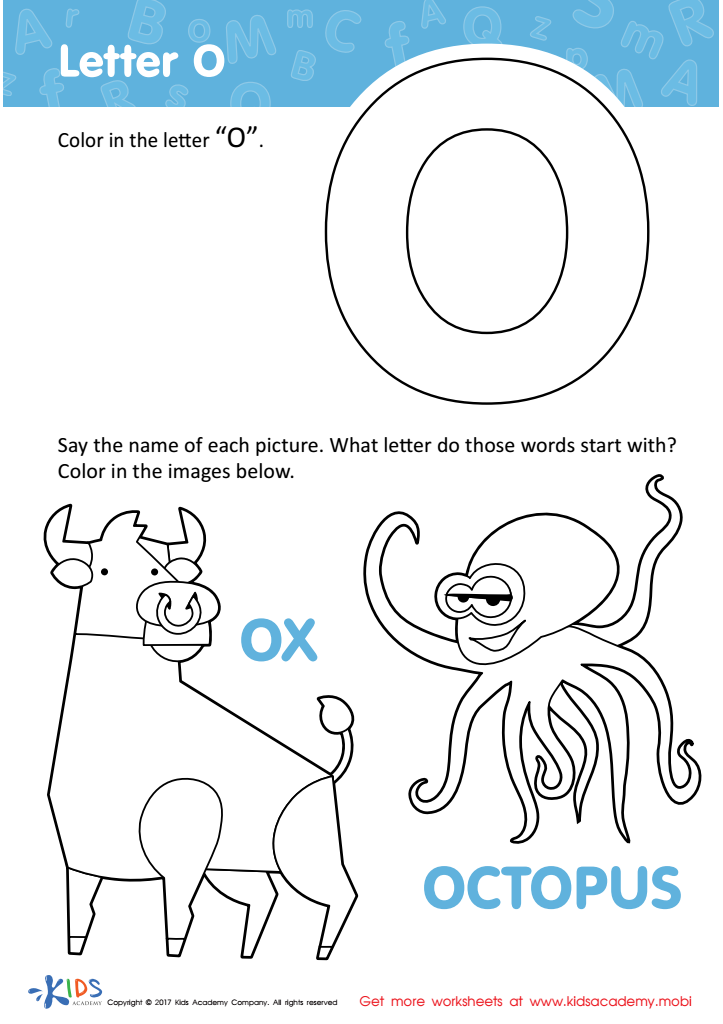
Letter O Coloring Sheet
 Assign to My Students
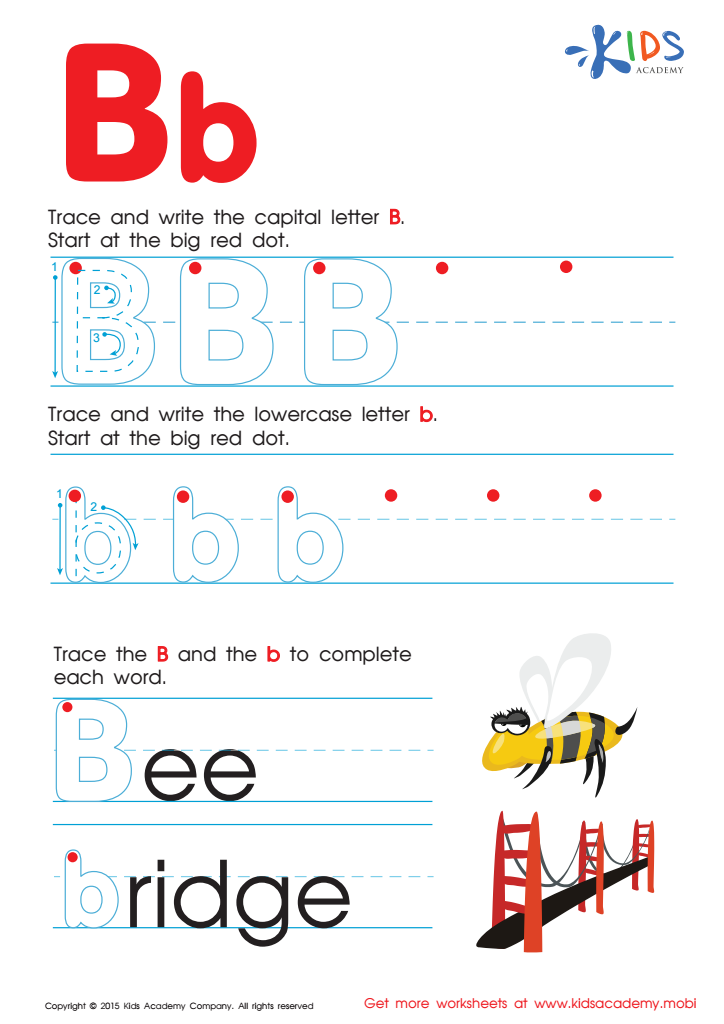
Letter B Tracing Page




Sure, let's dive into why developing motor skills is so crucial for young kids, especially around the age of 7. Motor skills refer to the ability to move and use our muscles effectively. There are two main types of motor skills: fine motor skills, which involve small movements like picking up tiny objects or writing, and gross motor skills, which involve larger movements like running or jumping.
For parents and teachers, focusing on motor skills development is important for a few reasons. First, it makes everyday activities easier for kids. Imagine trying to tie your shoes or even eat without being able to control your hands properly. Improving these skills can make these tasks simpler and more enjoyable.
Secondly, good motor skills are closely linked to academic success. For example, strong fine motor skills are important for writing neatly and legibly. Gross motor skills can help kids participate better in physical education, sports, and even playtime, which are all important for overall health and social skills.
Lastly, improving motor skills builds confidence. When kids can successfully complete tasks, whether it's drawing a picture, cutting with scissors, or riding a bike, they feel accomplished and more willing to tackle new challenges.
So, helping children develop these skills sets them up for success in many ways, making it very important for both parents and teachers.