Understanding place values Normal Place Value Worksheets for 7-Year-Olds
6 filtered results
-
From - To
Discover the essential learning tools for 7-year-olds with our Understanding Place Values Normal Place Value Worksheets! Designed to boost confidence and comprehension in math, these engaging worksheets introduce young learners to the fundamental concepts of place value, helping them grasp the significance of digits in numbers. Featuring fun activities and clear instructions, children will explore units, tens, hundreds, and beyond, reinforcing their skills through hands-on practice. Perfect for classroom use or at-home learning, our worksheets ensure a comprehensive understanding of place values, setting a strong foundation for future mathematical concepts. Empower your child’s learning journey today with our thoughtfully crafted resources!
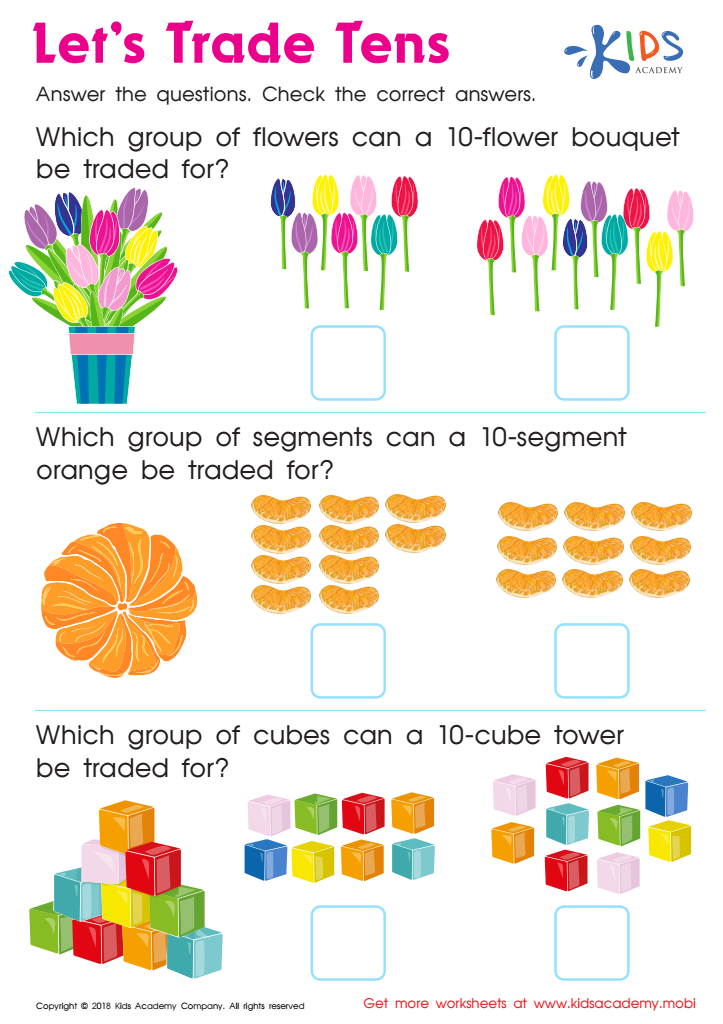
Lets Trade Tens Worksheet
 Assign to My Students
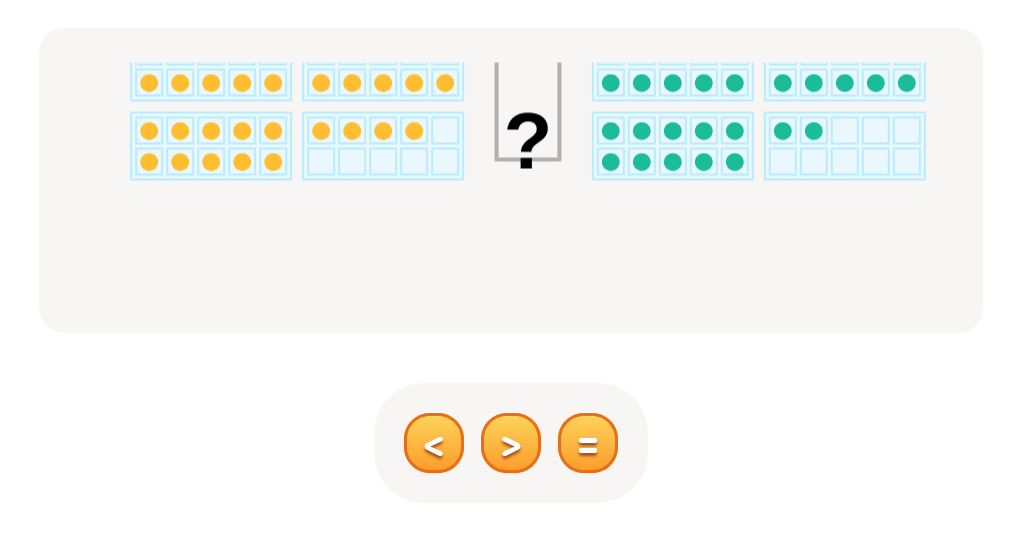

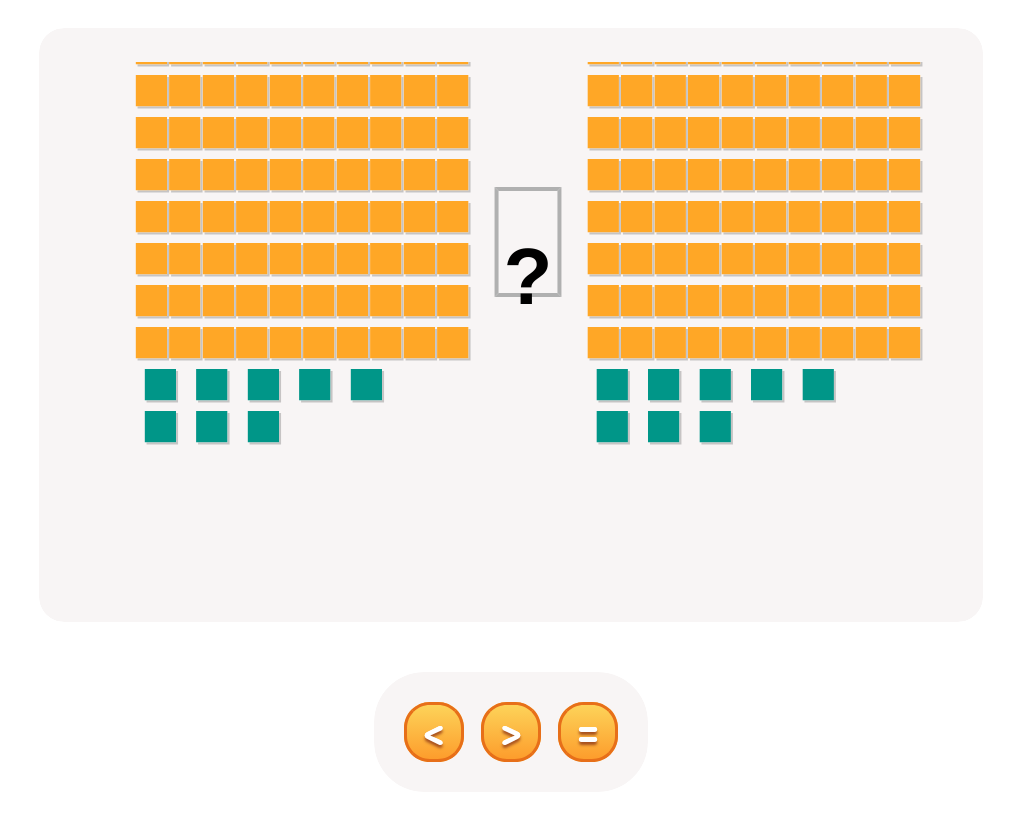
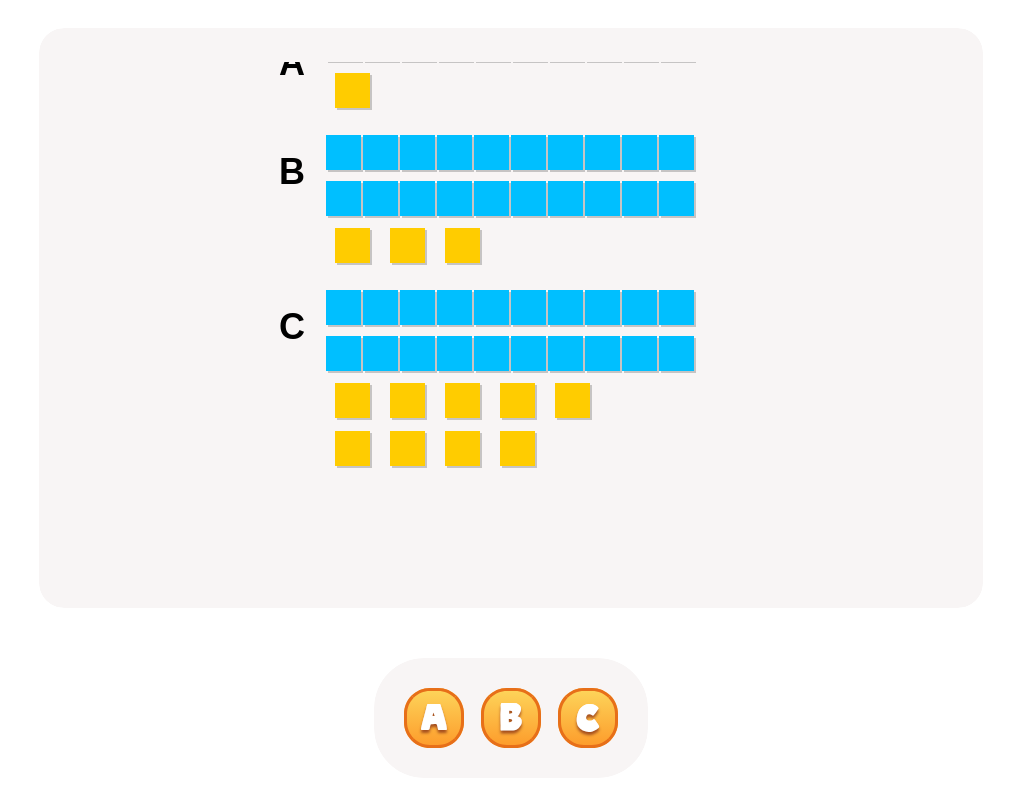
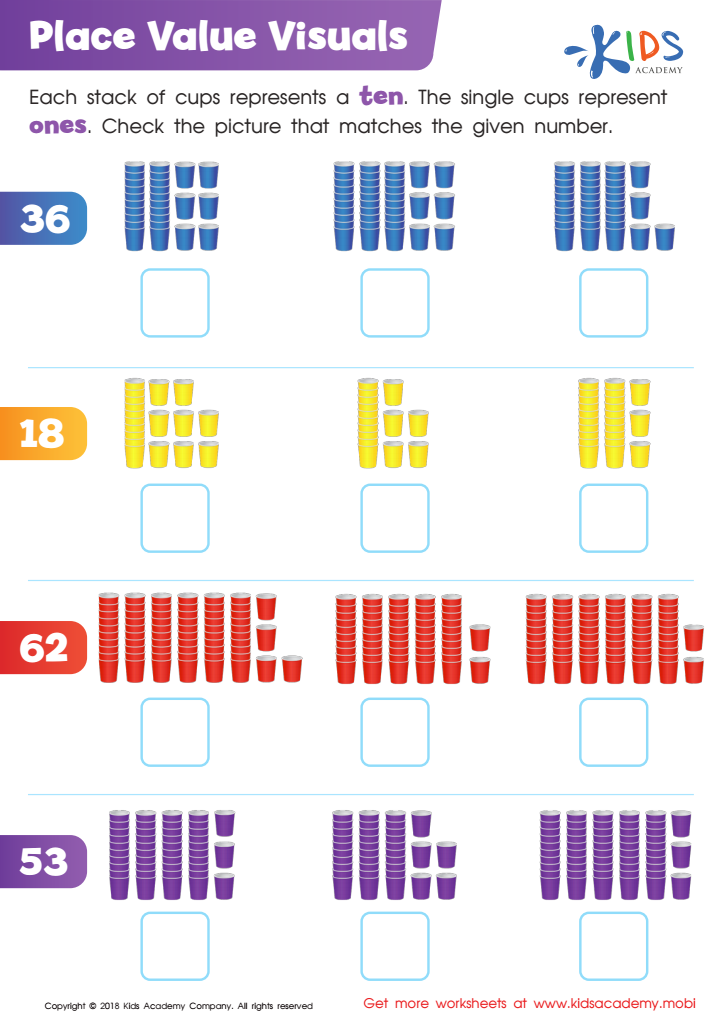
Place Value Visuals Worksheet
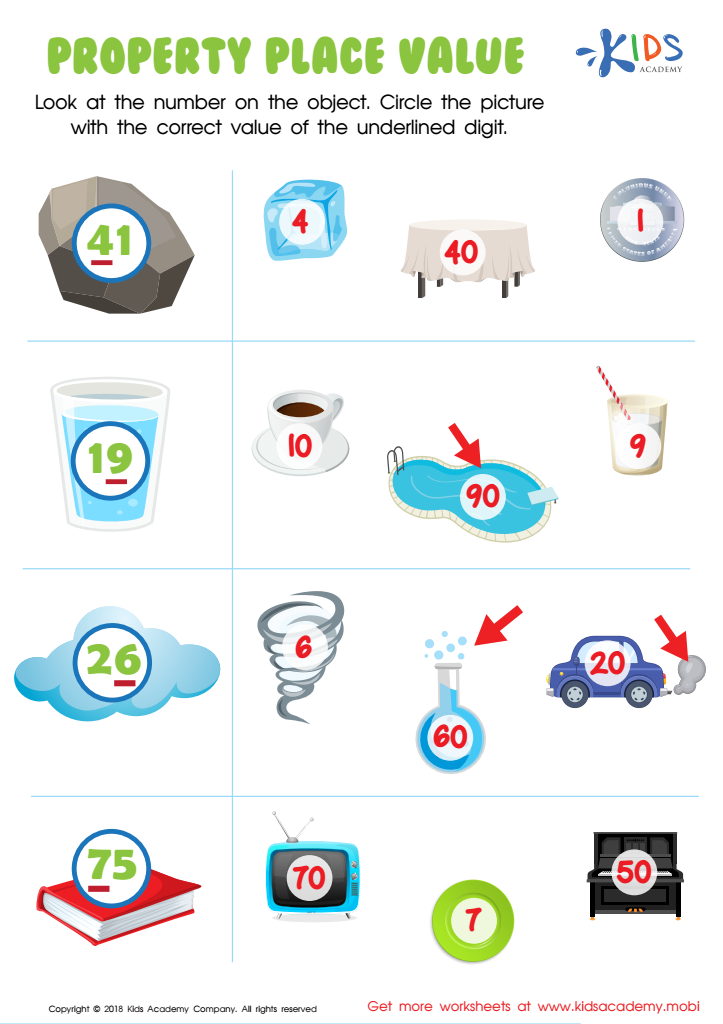
Property Place Value Worksheet
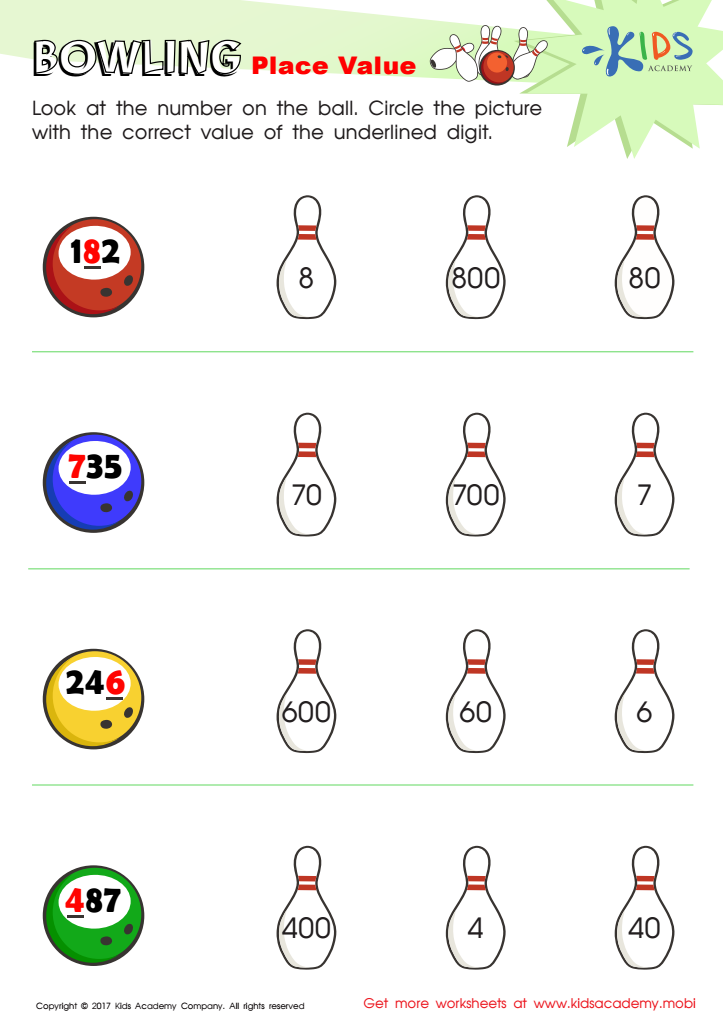
Place Value Worksheet
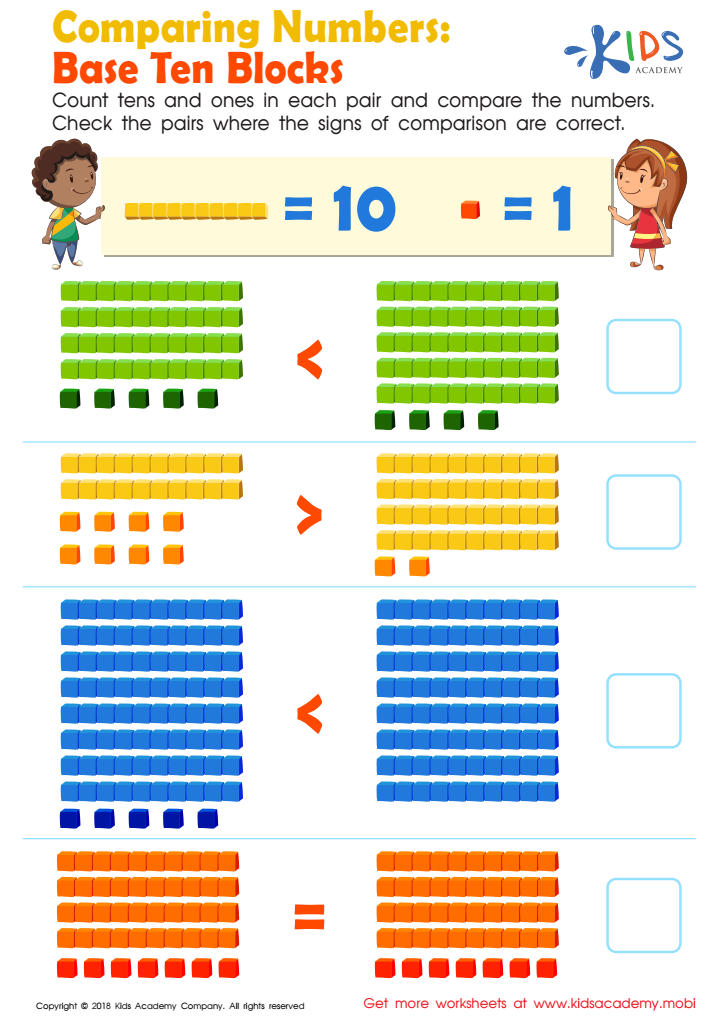
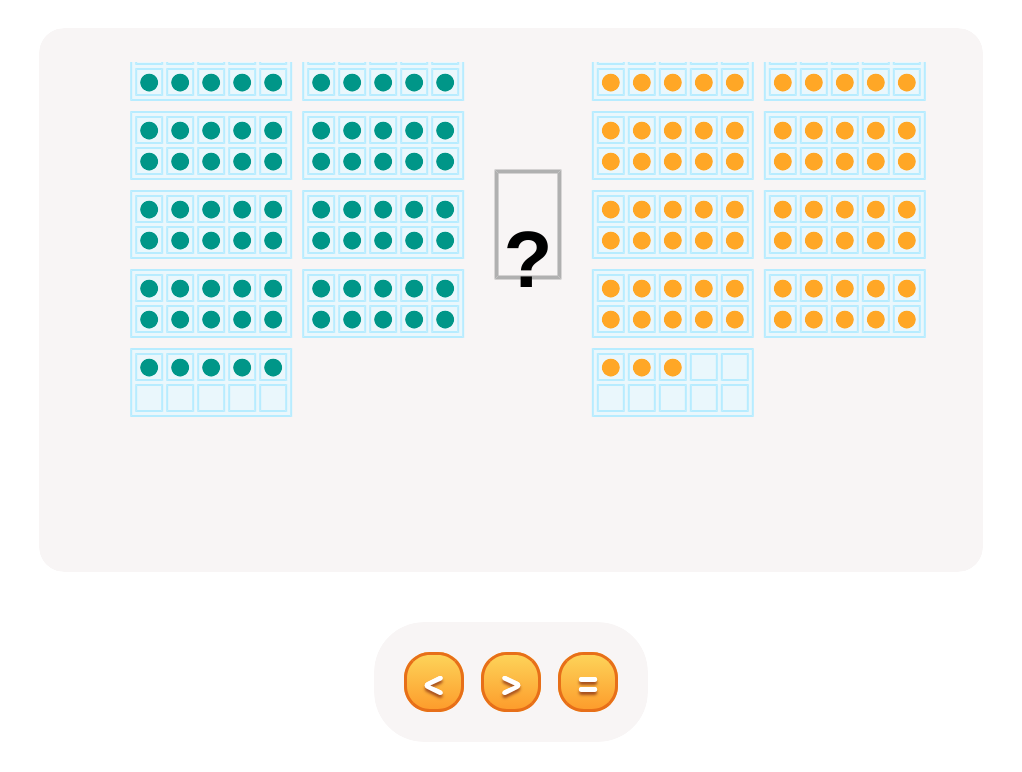
Comparing Numbers: Base Ten Blocks Worksheet
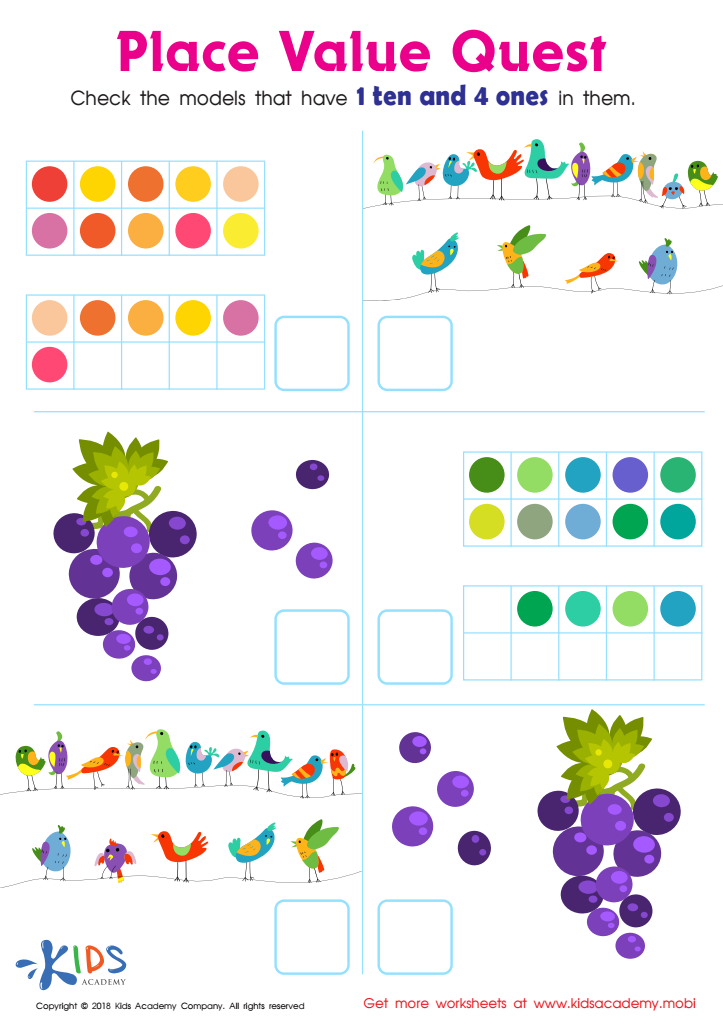
Place Value Quest Worksheet








Understanding place values is crucial for 7-year-olds as it forms the foundation for their mathematical proficiency. When children grasp the concept of place value, they learn that the position of a digit in a number determines its value—units, tens, hundreds, etc. This understanding not only aids in learning basic operations like addition and subtraction but also sets a stage for more complex mathematical concepts such as multiplication and division.
For parents and teachers, emphasizing place value assists children in developing critical thinking and problem-solving skills. It enables them to manipulate numbers with confidence, fostering a positive attitude toward math. Moreover, a solid comprehension of place value is integral for real-world applications, like telling time, managing money, or measuring.
By focusing on place value, educators and parents can provide engaging activities, such as using base-ten blocks or drawing visual aids. This interactive learning enhances retention and makes mathematics more relatable. Ultimately, fostering a strong grasp of place values can significantly contribute to a child’s overall academic success, equipping them with the tools they need for future learning in mathematics and beyond.