Motor skills development Normal ABC Letters Worksheets for Ages 8-9
3 filtered results
-
From - To
Discover our "Motor Skills Development Normal ABC Letters Worksheets" tailored for ages 8-9. These engaging resources encourage young learners to master the basics of writing, enhancing their fine motor skills through interactive exercises. Each worksheet offers a blend of letter tracing, independent writing, and fun activities designed to promote proper grip and hand-eye coordination. Perfect for at-home practice or classroom use, our worksheets ensure children develop the crucial motor skills needed for academic success. Visit Kids Academy for educational, expertly curated printable resources that make learning the alphabet a smooth and enjoyable journey.

Letter H Tracing Page










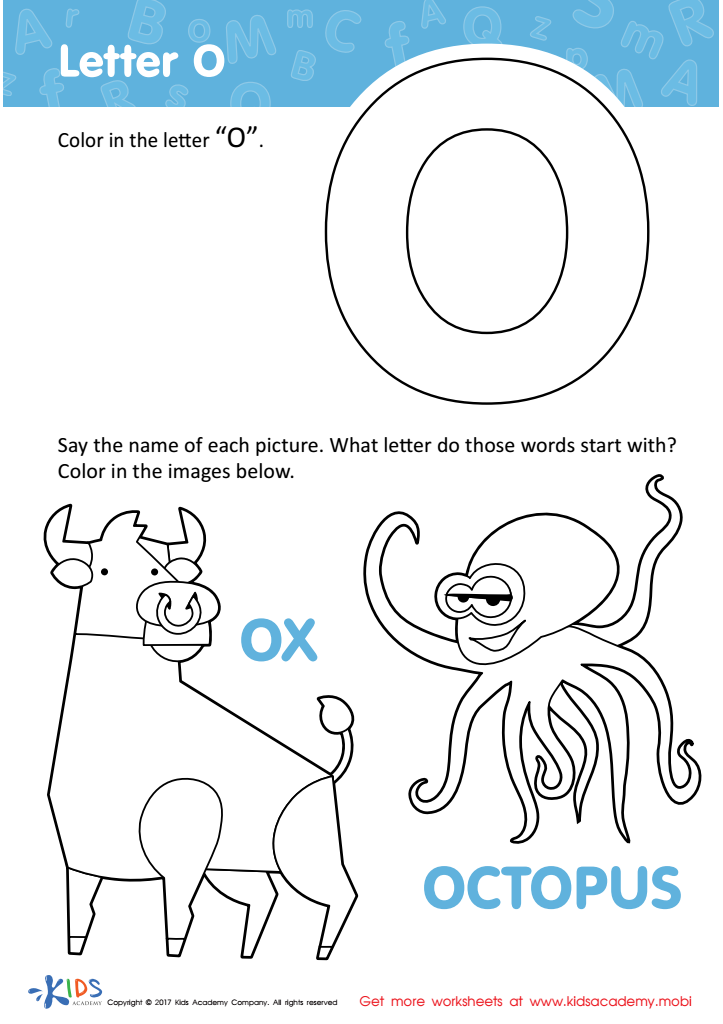
Letter O Coloring Sheet
 Assign to My Students
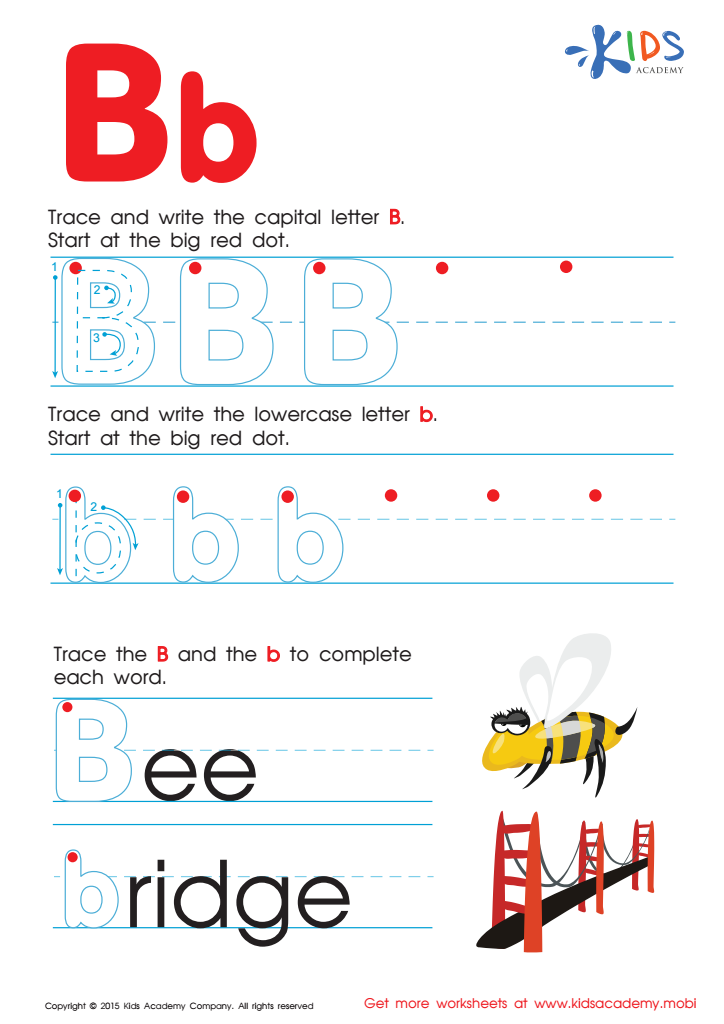
Letter B Tracing Page







Motor skills development is crucial for children aged 8-9 as it underpins many aspects of their physical and cognitive growth. Fine motor skills—the ability to make small, precise movements with the hands and fingers—are particularly important at this stage. These skills affect a child's ability to perform essential daily tasks such as writing, using utensils, and tying shoelaces. Strong fine motor skills contribute directly to more legible handwriting, which impacts their academic performance and self-esteem. Equally important are gross motor skills, which involve larger movements and coordination, fundamental for participating in sports, playing with peers, and overall physical health.
At this age, children are honing their coordination, balance, and motor planning—that is, their ability to think through and execute physical activities. Mastery of these skills helps promote independence, allowing children to become more confident and self-reliant. It's also interlinked with cognitive development. Activities that improve motor skills often incorporate problem-solving, concentration, and memory—things like building a model, performing a dance routine, or engaging in sports.
For parents and teachers, fostering motor skills development means encouraging activities that require varied physical movements. Crafting, sports, and engaging hands-on lessons not only make learning fun but also integrate motor skill enhancement seamlessly into a child's daily routine, promoting balanced all-around development.







