Reading skills development Normal Alphabet Worksheets for Ages 8-9
3 filtered results
-
From - To
Boost your child's reading skills with our engaging Normal Alphabet Worksheets designed for ages 8-9! These worksheets focus on enhancing phonemic awareness, vocabulary, and comprehension through fun activities. Kids will enjoy tracing letters, identifying words, and completing interactive exercises that build their confidence in reading. Our carefully crafted resources cater to different learning styles, ensuring every child can progress at their own pace. Perfect for both classroom settings and homeschooling, these worksheets provide valuable practice that makes learning enjoyable. Equip your young readers with the essential skills they need to succeed and foster a lifelong love for reading! Explore our resources today!
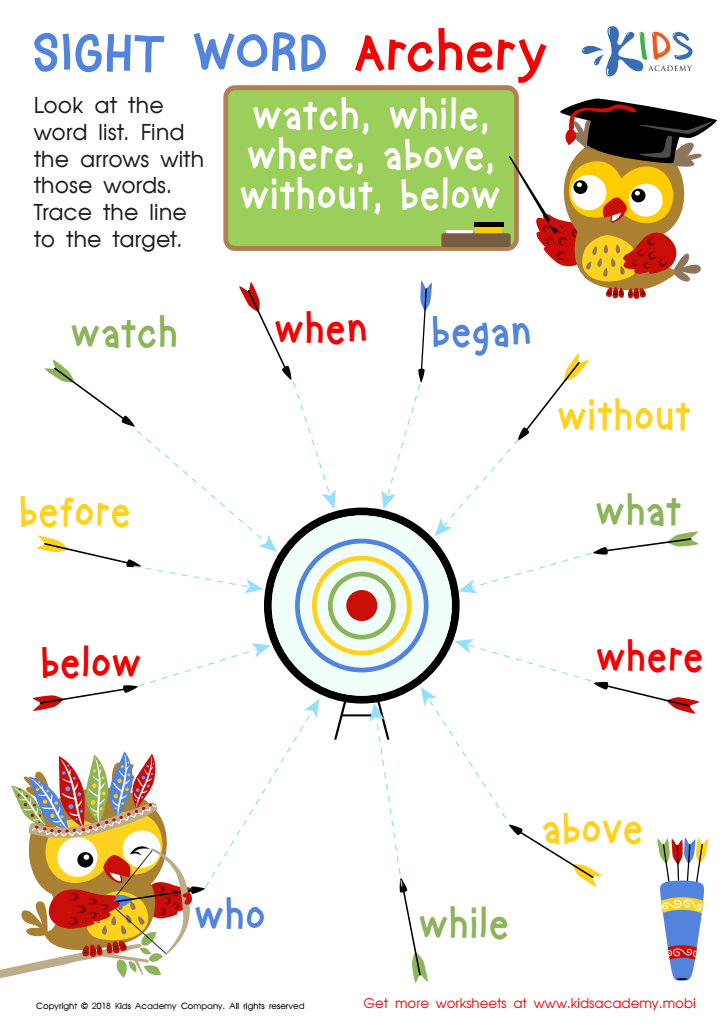
Sight Word Archery Worksheet
 Assign to My Students
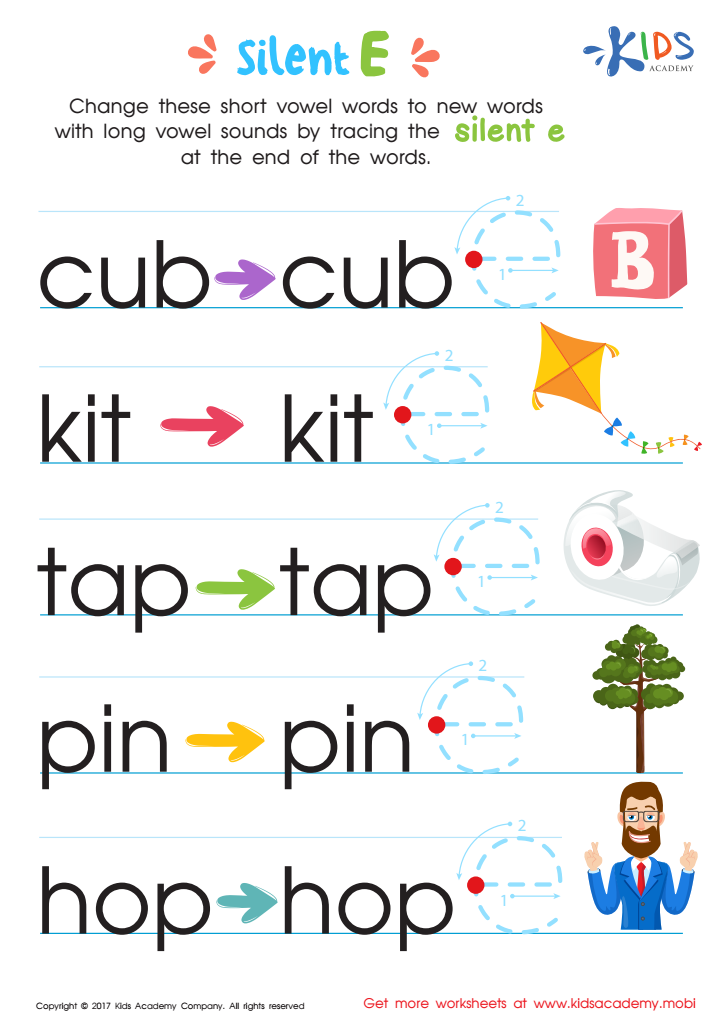
Silent E Words Worksheet
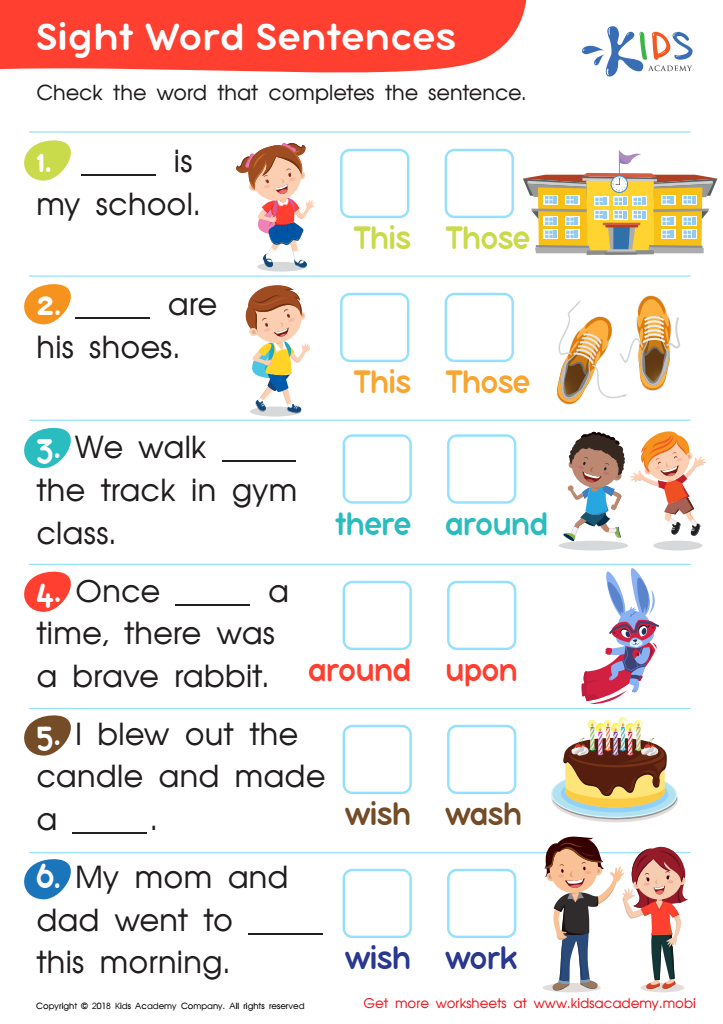
Sight Word Sentences Worksheet







Reading skills development for children ages 8-9 is crucial for numerous reasons. First, this stage is when students transition from learning to read to reading to learn. Proficient reading skills empower them to comprehend and engage with more complex texts, which are fundamental in all subjects, including math and science. Enhanced reading abilities promote critical thinking, encouraging children to analyze information and develop their own viewpoints.
Furthermore, strong reading skills boost confidence and foster a love for literature. Children who read well are more likely to participate actively in discussions, enhancing their communication skills. This age range is also heavily impacted by peer dynamics; being able to read well encourages social interactions and can help children find peers with similar interests.
From an educational perspective, strong reading development contributes to better academic performance, aiding children in achieving their potential. Developing reading skills is not solely a responsibility of teachers; parents play a vital role by creating supportive literacy environments at home. This can include shared reading activities and discussions about books, helping cultivate a lifelong love of reading. Investing in reading skills during these formative years builds a strong foundation for future learning and personal growth, making it essential for both parents and teachers to engage in this development actively.







