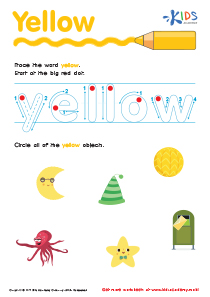
Motor skills development Normal English for Beginners Worksheets for Ages 8-9
3 filtered results
-
From - To
Our "Motor Skills Development: Normal English for Beginners Worksheets for Ages 8-9" are designed to enhance both fine and gross motor skills while improving English language abilities. Perfectly tailored for young learners, these worksheets incorporate fun activities like tracing, cutting, and coloring. By engaging in these exercises, children not only build essential hand-eye coordination but also strengthen their grip, precision, and dexterity. Ideal for children learning English as a second language, these worksheets seamlessly blend motor skills practice with language learning, ensuring a balanced development. Give your child a head start in their educational journey with our expertly crafted resources.

Letter H Tracing Page
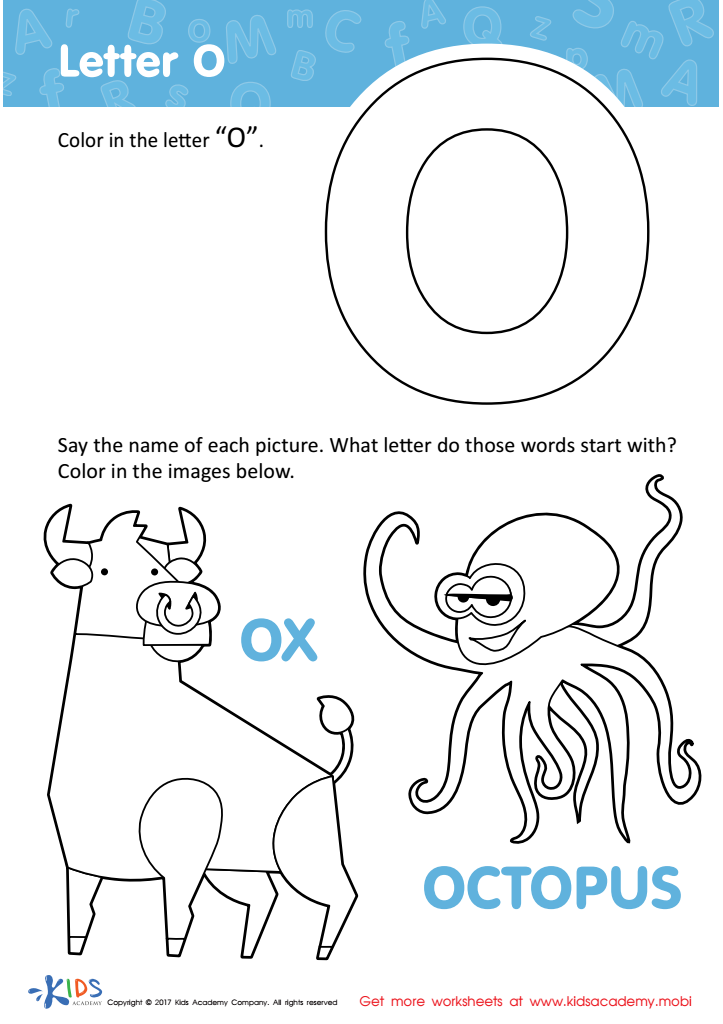
Letter O Coloring Sheet
 Assign to My Students
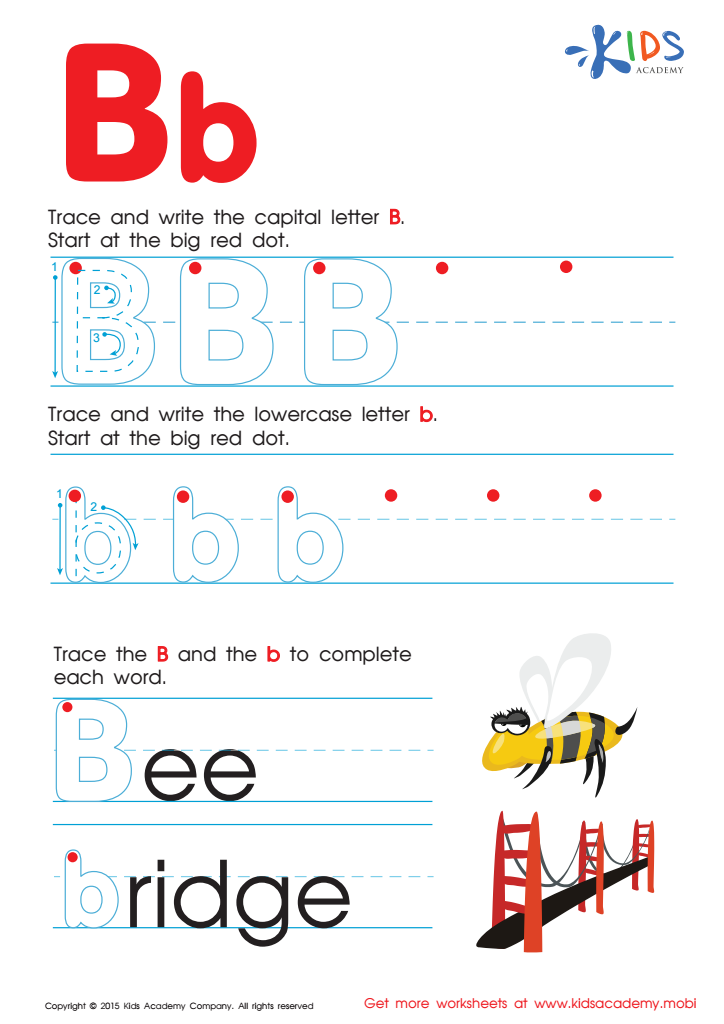
Letter B Tracing Page




Parents and teachers should care about motor skills development in children aged 8-9 because these skills are crucial for everyday activities and future learning. Motor skills include both fine motor skills, like writing and using scissors, and gross motor skills, like running and jumping.
At this age, kids are sharpening their coordination and control, which helps them succeed in school and at play. For example, being able to write neatly and cut accurately can boost their confidence in schoolwork. Good motor skills also make physical activities like sports more enjoyable, promoting a healthy lifestyle and social involvement.
Improving motor skills can also enhance brain development. Engaging in activities that require coordination and movement helps build neural connections, which can support academic learning in subjects like math and reading. Plus, mastering these skills can make kids more independent in daily tasks, like tying shoelaces or dressing themselves.
Overall, focusing on motor skills helps kids feel confident and capable. It lays a foundation for successful learning experiences and healthy physical development. So, while it might just seem like playtime or simple routines, these activities are essential for your child's growth and future success.