
Hand-eye Coordination Normal Reading Worksheets for Ages 8-9
3 filtered results
Difficulty Level
Grade
Age
-
From - To
Subject
Activity
Standards
Boost your child's reading and motor skills with our Hand-eye Coordination Normal Reading Worksheets designed for ages 8-9. These engaging worksheets help develop essential hand-eye coordination while enhancing their reading proficiency. Each activity combines interactive reading tasks with fun, educational exercises focused on aligning sight and movement. Perfect for young students, these worksheets are crafted to make learning enjoyable and effective, fostering a strong foundation for future academic success. Ideal for both classroom settings and at-home practice, our expertly designed resources aim to promote holistic development in every child. Visit Kids Academy to explore our comprehensive collection!
Favorites
With answer key
Interactive
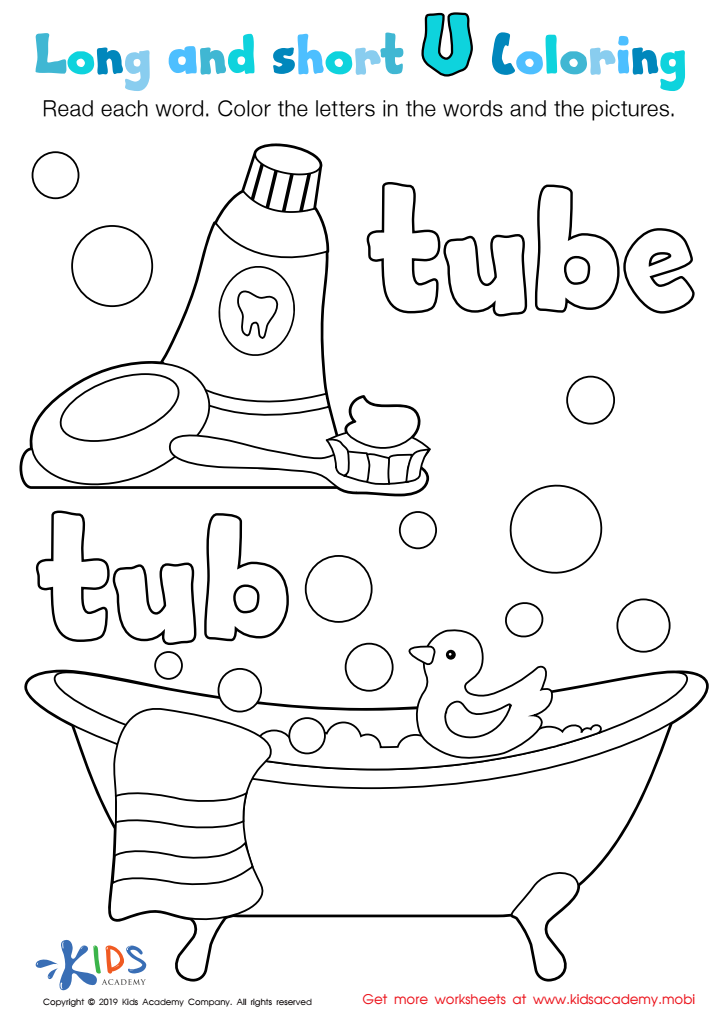
Long and Short U Worksheet
Revised: Spice up your lesson on long and short vowels with this fun printout! Kids read the words "tube" and "tub," then reinforce the sound by coloring in the words and pictures. It's a great way to make phonics class enjoyable!
Download (PDF)
 Assign to My Students
Assign to My Students
Long and Short U Worksheet
Worksheet
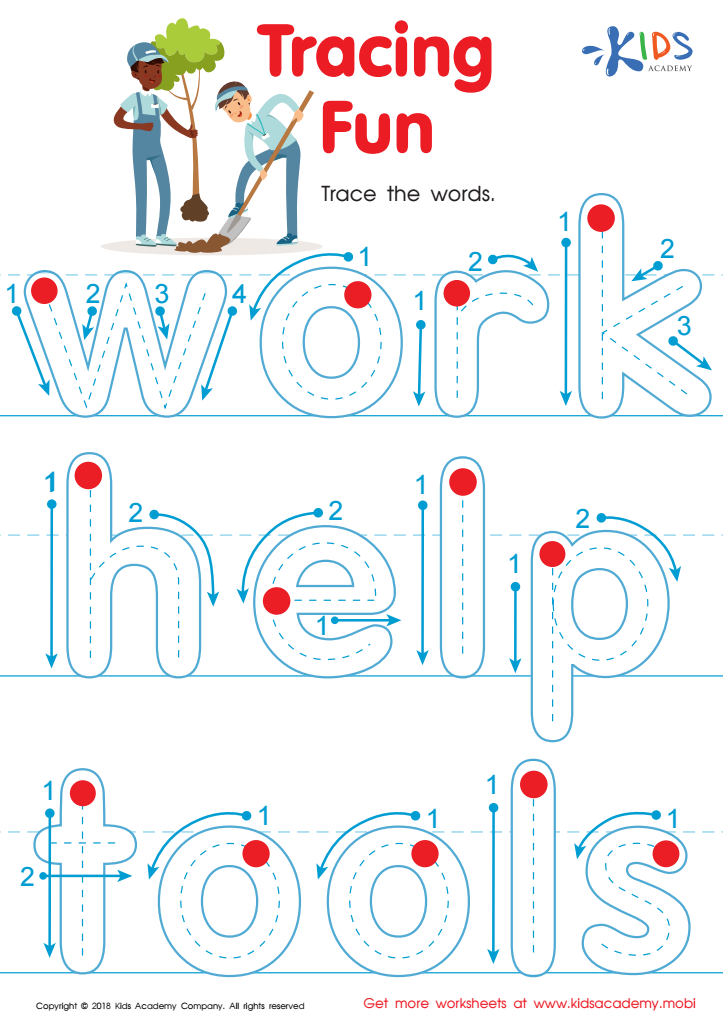
Tracing Fun Worksheet
Believe it or not, good handwriting helps with reading! Starting at the top left and writing legibly builds reading skills. This free worksheet helps little learners practice basic sight words. Red dots show them where to start and the words provide reinforcement without them realising. An enjoyable way to boost their reading and writing.
Tracing Fun Worksheet
Worksheet
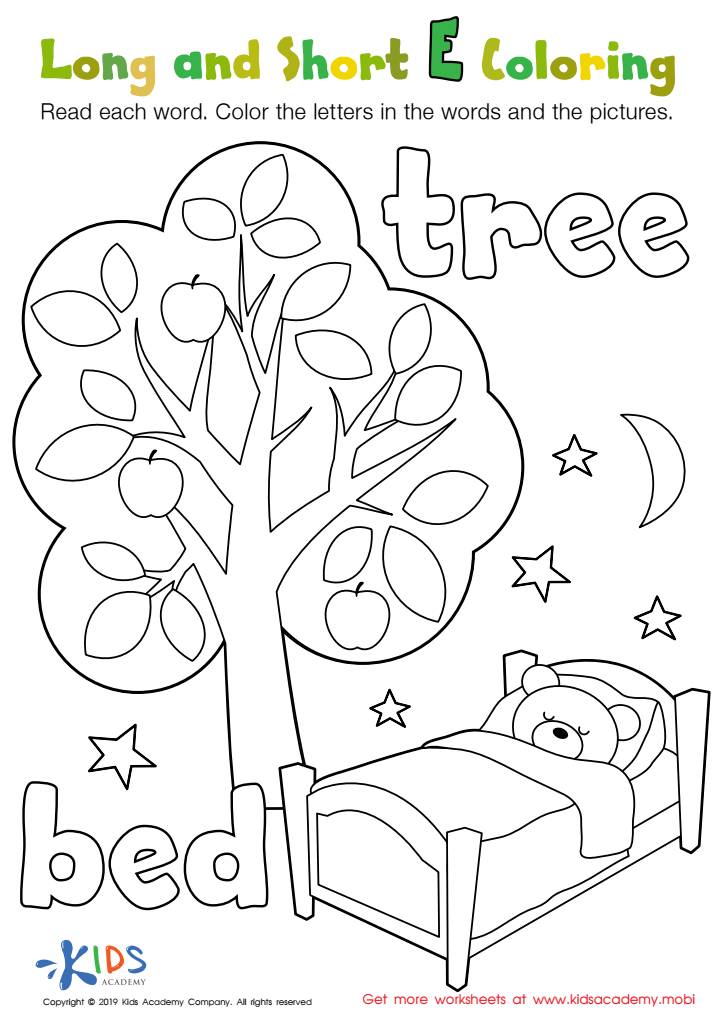
Long and Short E Worksheet
This fun printout makes learning phonics enjoyable for Grade 3 students. Get them to read the words “tree” and “bed” to recognize the different sounds of the letter “E”. After hearing the words they can color the words and the pictures to understand differences between long and short vowels.
Download (PDF)
Assign to My Students
Assign to My Students
Long and Short E Worksheet
Worksheet
Join Kids Academy for Free
Who is primarily going to use this learning content?






Hand-eye coordination is a critical skill for children aged 8-9, as it plays a vital role in their overall development, impacting learning, physical activities, and daily tasks. At this stage, students are transitioning from learning to read to reading to learn, making efficient hand-eye coordination essential for academic success. Reading smoothly across a page and writing legibly require well-developed coordination between the eyes and hands. When children enhance their hand-eye coordination, they tend to excel not just academically but also in other areas such as sports and art, which can boost their confidence and social skills.
From a neurological standpoint, developing this coordination aids in the brain's ability to process visual information and translate it into motor responses. Activities like reading, drawing, or playing with building blocks engage the visual and motor systems, strengthening neural pathways and contributing to cognitive development. Teachers and parents should care about nurturing this skill because difficulties in hand-eye coordination might manifest as poor performance in tasks that require fine motor skills, potentially leading to frustration and a decreased interest in school activities. By supporting the development of hand-eye coordination through engaging and interactive exercises, both at home and in school, educators and parents can lay a strong foundation for the children's lifelong learning and physical proficiency.








