Motor skills development Normal ABC Letters Worksheets for 9-Year-Olds
3 filtered results
-
From - To
Welcome to our Motor Skills Development ABC Letters Worksheets for 9-Year-Olds! These engaging and interactive worksheets are designed to enhance fine motor skills while reinforcing letter recognition and writing abilities. Packed with fun activities, children will trace, color, and connect letters, promoting hand-eye coordination and control. Ideal for both home and classroom settings, our resources support a holistic learning approach, ensuring kids not only master the alphabet but also build confidence in their writing skills. Explore our carefully curated selection to help your child excel in motor skills development through enjoyable learning experiences today!

Letter H Tracing Page










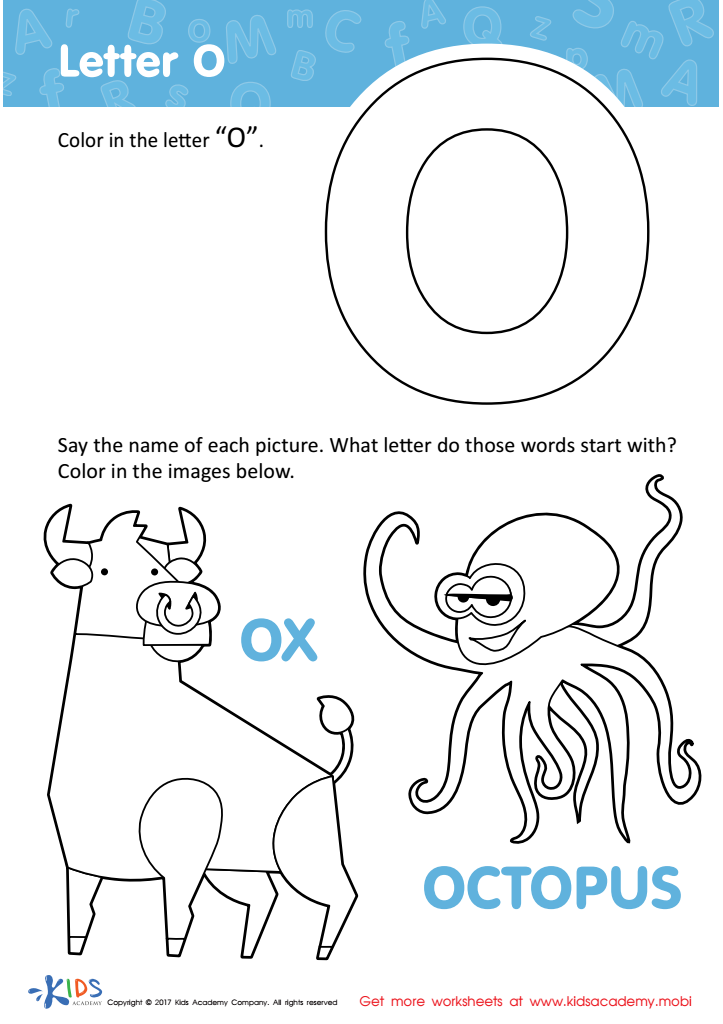
Letter O Coloring Sheet
 Assign to My Students
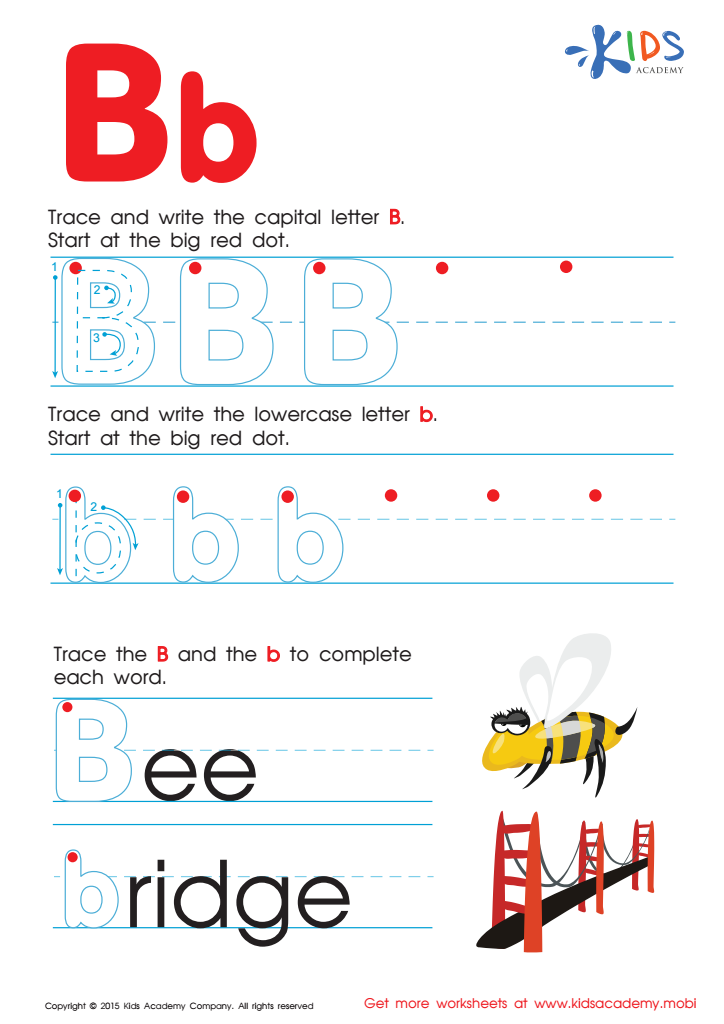
Letter B Tracing Page






Parents and teachers should prioritize motor skills development, particularly in relation to normal ABC letter writing, for 9-year-olds as it lays the foundation for more complex learning and activities. By this age, children's fine motor skills are crucial in enabling them to perform tasks such as writing, drawing, and even engaging in certain sports or musical activities. Proficient motor skills help children build confidence in their abilities, which can positively impact their self-esteem and overall academic performance.
Furthermore, mastering the normal ABC letters allows children to express themselves clearly through writing, enhancing their communication skills. Good handwriting can influence a child's ability to convey ideas effectively and may even affect their engagement in classroom activities. Teachers and parents need to consider that difficulties in motor skills can lead to frustration, inhibiting participation in both academic and social settings.
In light of these points, supporting motor skill development in children fosters not only physical dexterity but also cognitive and emotional growth. By providing opportunities for practice through engaging activities, whether at home or in school, adults can help children achieve success and enjoyment in their educational journey.







