Motor skills development Normal Letter Recognition Worksheets for 9-Year-Olds
3 filtered results
-
From - To
Enhance your child's motor skills with our engaging Normal Letter Recognition Worksheets designed specifically for 9-year-olds. These worksheets combine the fun of learning the alphabet with essential fine motor skill development. Each activity encourages kids to recognize letters while practicing their handwriting through tracing, coloring, and engaging exercises. Perfect for home or classroom environments, our materials support cognitive development and boost confidence in reading and writing. Foster your child's educational journey and creativity while sharpening their coordination and control. Empower your child with essential literacy skills through interactive play that lays the foundation for future academic success! Explore our resources today!

Letter H Tracing Page
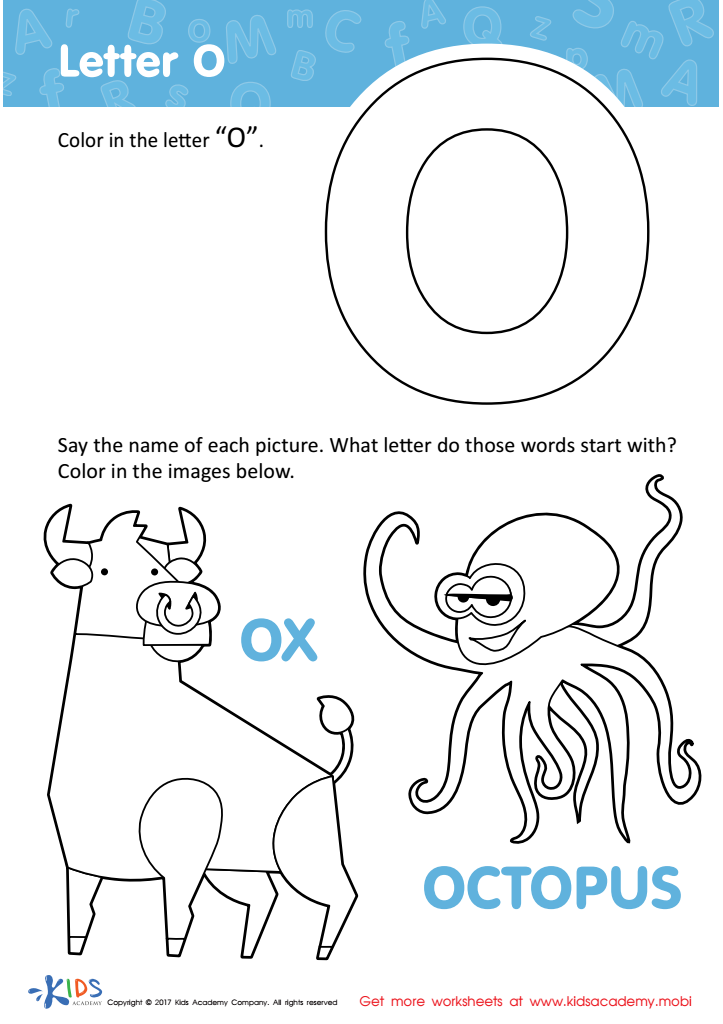
Letter O Coloring Sheet
 Assign to My Students
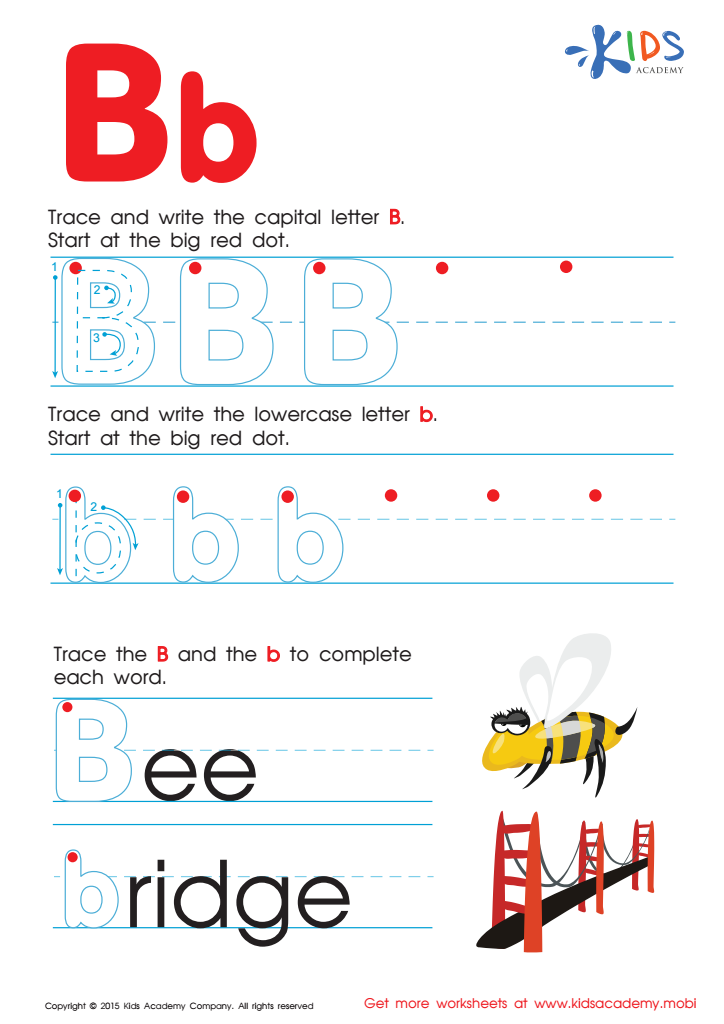
Letter B Tracing Page








Motor skills development and letter recognition are crucial for 9-year-olds as they form the foundation for effective communication and academic success. By this age, children should be refining their fine motor skills, including handwriting, which is essential for tasks like taking notes and completing assignments. A lack of proficiency in these skills can hinder a child’s ability to express their thoughts coherently.
Additionally, normal letter recognition is vital; it impacts reading fluency and comprehension. At nine, students are expected to transition from learning to read to reading to learn. Strong letter recognition enables children to decode words, grasp ideas, and engage with more complex texts. Consequently, it fosters a love of reading and enhances critical thinking.
Teachers and parents should prioritize these areas of development to ensure children are set up for academic success and confidence. Supportive activities such as arts and crafts can strengthen fine motor skills while reading together can boost letter recognition. Ultimately, attention to motor skills and letter recognition equips children with the necessary tools to thrive both in school and beyond, nurturing lifelong learning and effective communication skills.








