Writing practice Normal Letter Recognition Worksheets for 9-Year-Olds
4 filtered results
-
From - To
Enhance your 9-year-old's letter recognition skills with our engaging "Writing Practice Normal Letter Recognition Worksheets." Specifically designed to build confidence and improve handwriting, these worksheets provide a balanced approach to mastering both upper and lower case letters. Each sheet offers fun, insightful activities that bolster fine motor skills, boost letter familiarity, and foster a love for writing. Perfect for early grade students, these worksheets seamlessly integrate learning and practice, making writing an enjoyable experience. Ideal for classroom reinforcement or at-home enrichment, they are a valuable resource for parents and teachers aiming to nurture proficient, enthusiastic young writers.
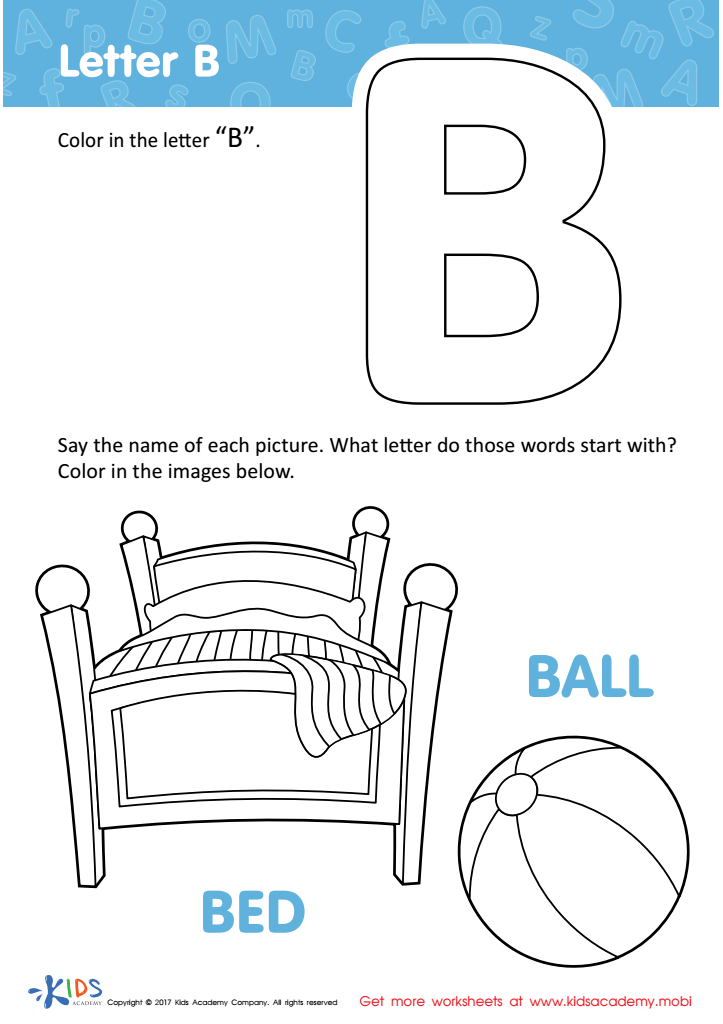
Letter B Coloring Sheet
 Assign to My Students
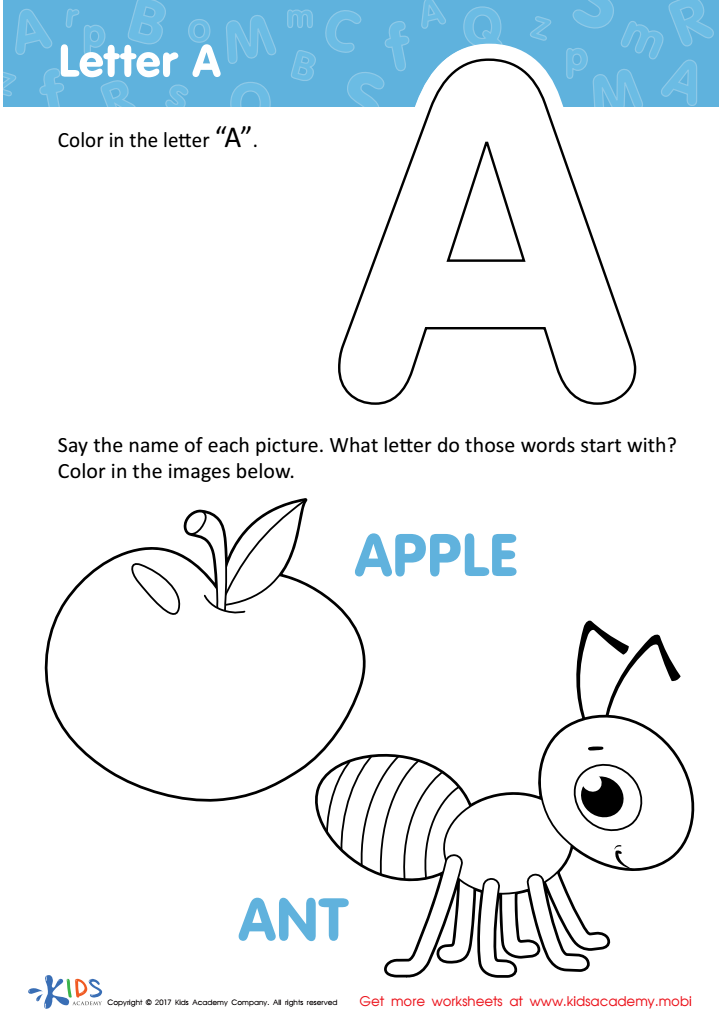
Letter A Coloring Sheet
Assign to My Students

Letter H Tracing Page
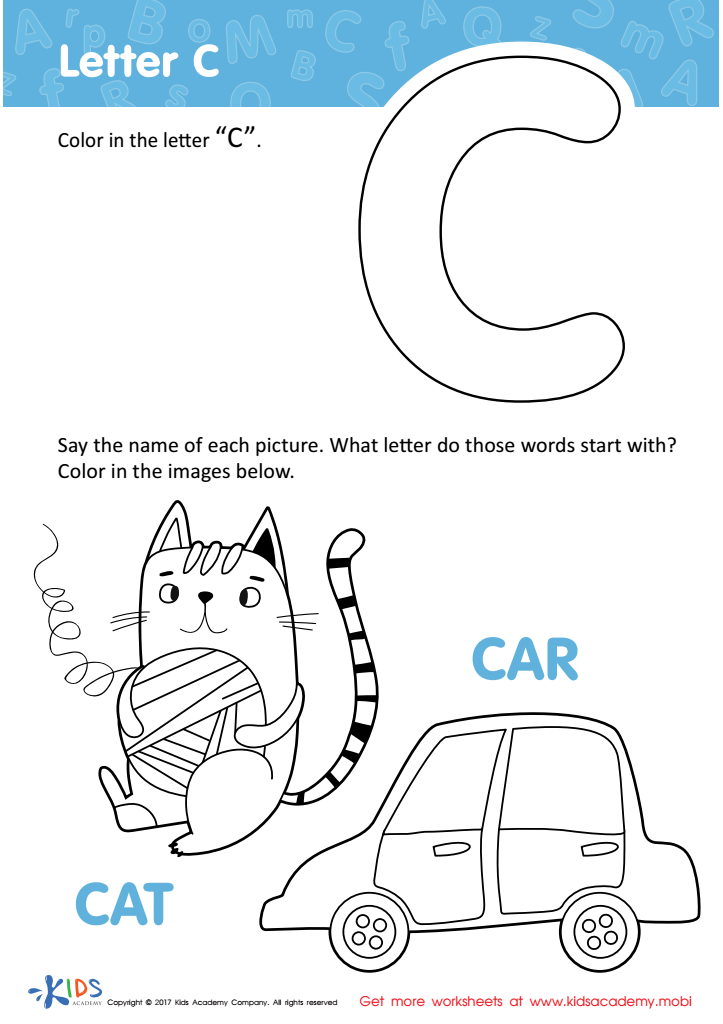
Letter C Coloring Sheet
Assign to My Students








Writing practice and letter recognition are crucial skills for 9-year-olds, underpinning their overall academic success and cognitive development. By this age, children transition from learning to read and write to using these skills to acquire new information and express thoughts effectively.
Firstly, consistent writing practice reinforces fine motor skills and hand-eye coordination, essential for clear and fluid handwriting. Clear handwriting matters not just for legibility but for students' confidence in their written work. Good penmanship can ease the reading process for teachers and parents, contributing to better academic performance and self-esteem.
Secondly, regular letter recognition exercises fortify reading fluency. When children automatically recognize letters and their corresponding sounds, they can read more quickly and with better comprehension. Enhanced reading skills positively impact other areas of learning, such as science or social studies, where reading is foundational.
Moreover, writing practice enhances brain development. It improves memory, attention to detail, and critical thinking. For instance, writing stories or essays promotes creativity, organization, and the ability to convey complex ideas.
Parental and teacher support for writing and letter recognition ensures that children are equitably equipped to handle more advanced literacy tasks as they progress in school. Investing in these skills at an early age sets the stage for lifelong learning and academic success.








