Letter Tracing Normal Grade 1 ABC Coloring Pages Worksheets
4 filtered results
-
From - To
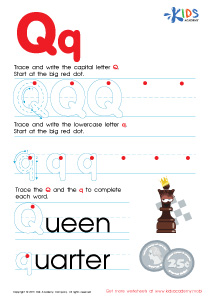
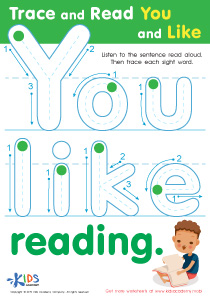
Introduce your first grader to the world of letters with our "Letter Tracing Normal Grade 1 ABC Coloring Pages Worksheets." Tailored for young learners, these engaging worksheets combine letter tracing and coloring, making learning the alphabet fun and interactive. Each page helps children practice handwriting by tracing uppercase and lowercase letters while stimulating creativity as they color within the lines. Ideal for developing fine motor skills, letter recognition, and early literacy, our ABC worksheets provide a robust foundation for your child's writing journey. Bring the joy of learning into your home with these delightful and educational printables.
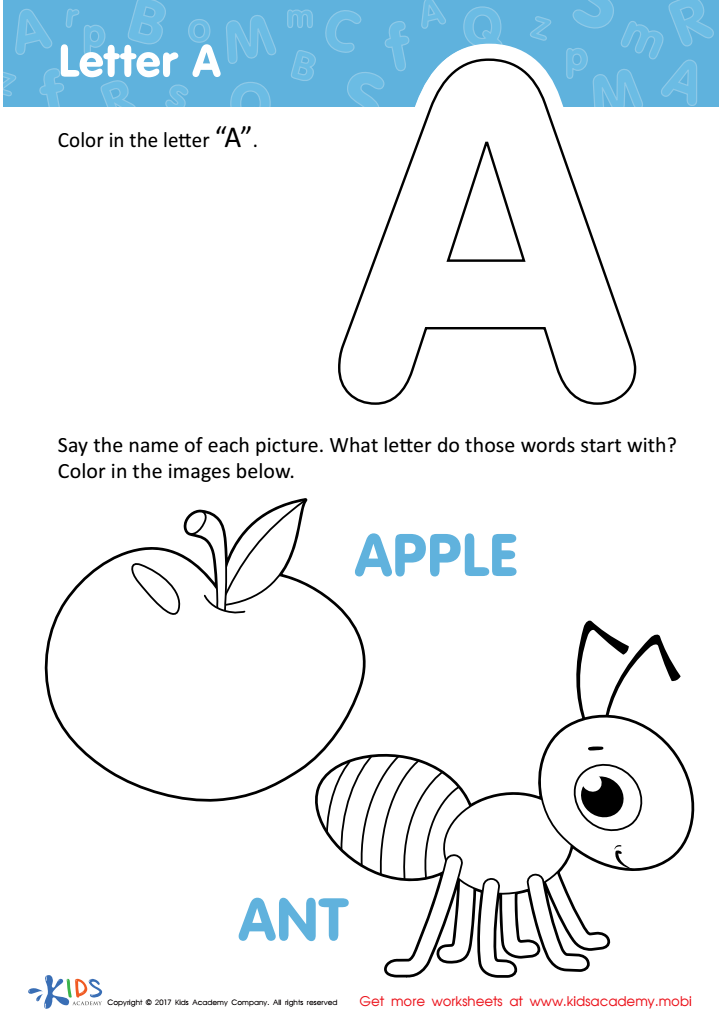
Letter A Coloring Sheet
 Assign to My Students
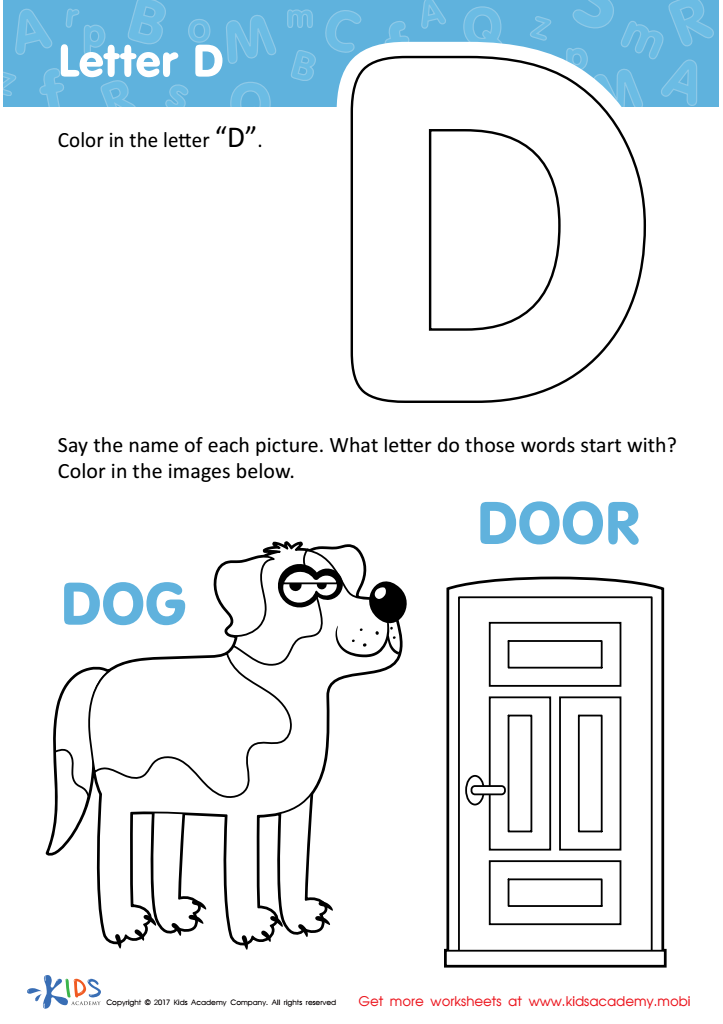
Letter D Coloring Sheet
Assign to My Students
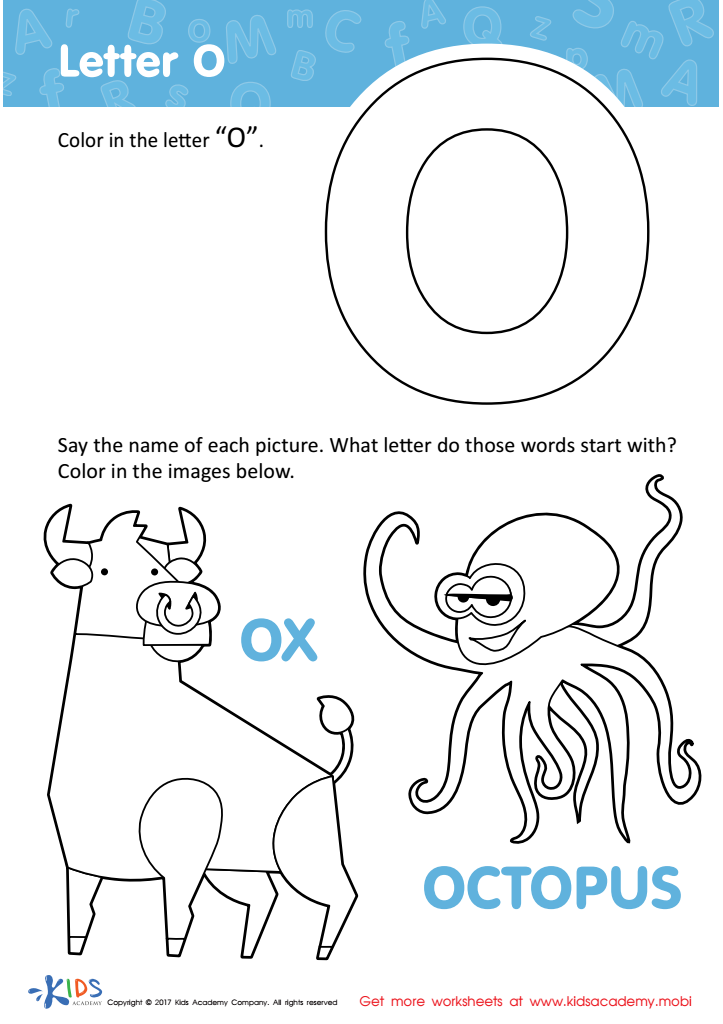
Letter O Coloring Sheet
Assign to My Students
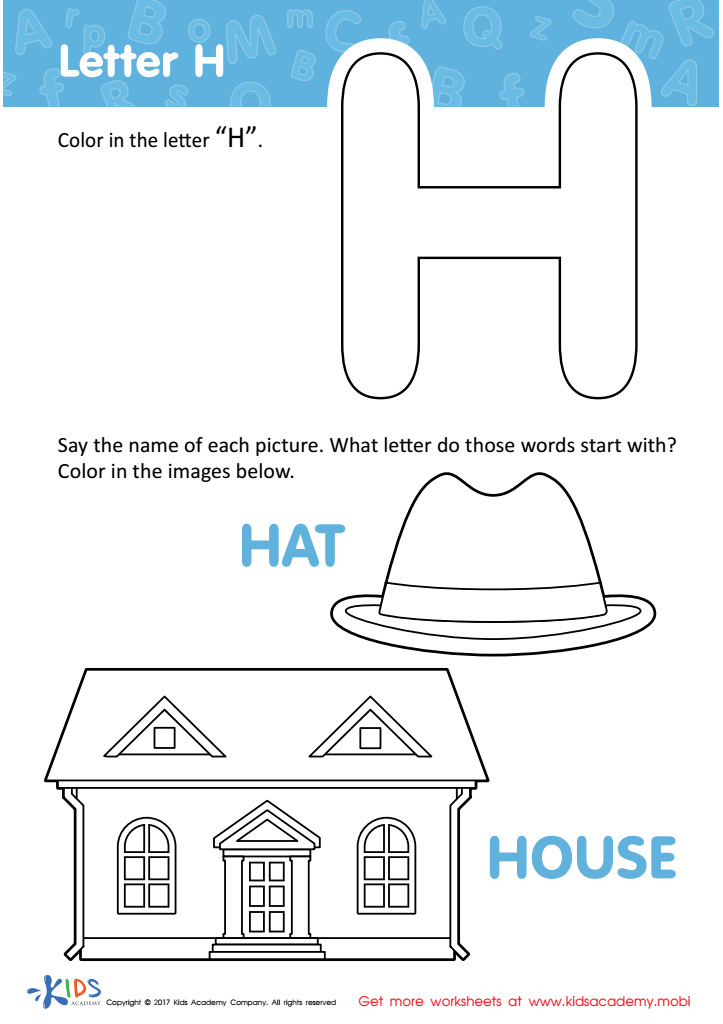
Letter H Coloring Sheet
Assign to My Students


Parents and teachers play a crucial role in a child's early development, and letter tracing and coloring activities provide substantial benefits that warrant their attention. First, Letter Tracing Normal Grade 1 ABC Coloring Pages help children develop fine motor skills. Tracing letters involves precise hand movements that are essential for writing, which paves the way for efficient and legible penmanship.
Second, these activities significantly boost letter recognition and familiarity with the alphabet. By repeatedly tracing and coloring letters, children gain exposure to each letter's shape and structure, which helps solidify their understanding and recall of the alphabet. This foundational knowledge is critical as it underpins future literacy skills.
Additionally, these activities can be highly engaging for young learners. Coloring and tracing are often seen as fun rather than work, making it more likely that children will willingly participate, fostering a positive attitude towards learning.
Lastly, coloring offers children an avenue for creative expression and relaxation, balancing cognitive tasks with moments of creativity and enjoyment. This can enhance overall emotional well-being, making early learning a holistic experience.
Therefore, Letter Tracing Normal Grade 1 ABC Coloring Pages serve multiple educational and developmental purposes, forming a key component in the early education toolkit that parents and teachers should embrace.