Fine Motor Skills Normal Grade 1 Letter Recognition Worksheets - Page 2
25 filtered results
-
From - To

Letter D Tracing Page
 Assign to My Students



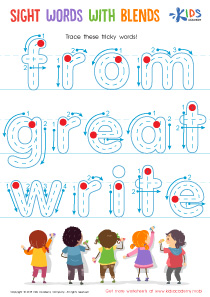
Parents and teachers should place a strong emphasis on fine motor skills and normal grade 1 letter recognition because these foundational abilities are critical for a child's overall academic and personal development. Fine motor skills involve the coordination of small muscles in the hands and fingers, enabling children to perform essential tasks like writing, cutting with scissors, and buttoning clothes. Proficient fine motor skills allow children to engage seamlessly with classroom activities, fostering independence and self-confidence.
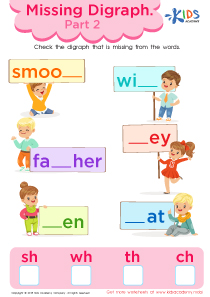
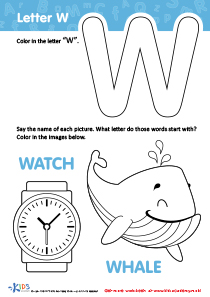
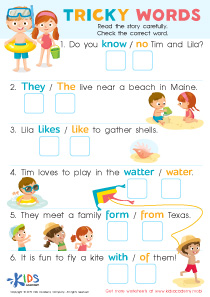
Moreover, recognizing and writing letters accurately in grade 1 sets the stage for future literacy success. Understanding letter shapes and being able to reproduce them is essential for reading and writing. When children can easily recognize and form letters, they can focus more on the content of their writing rather than the mechanics, promoting fluency and comprehension.
Lags in these areas can lead to frustration and reluctance in school-related tasks, causing cumulative academic and emotional setbacks. Intervention at an early stage, through activities like drawing, cutting, and tracing, can strengthen these skills. By supporting fine motor development and letter recognition early on, parents and teachers provide children with the tools they need for a successful educational journey, setting a positive trajectory for lifelong learning and development.