Hand-eye Coordination Normal Grade 1 Letter Recognition Worksheets
5 filtered results
-
From - To
Enhance your child's learning journey with our Hand-eye Coordination Grade 1 Letter Recognition Worksheets! Specially designed for first graders, these engaging worksheets help young learners recognize and write letters while honing their hand-eye coordination skills. Each activity combines fun and education, providing dynamic exercises that challenge students to maintain focus and improve their motor skills. Perfect for both classroom and home use, these worksheets make foundational literacy skills accessible and enjoyable. Help your first grader build a strong academic base and boost their confidence with our expertly crafted resources at Kids Academy.
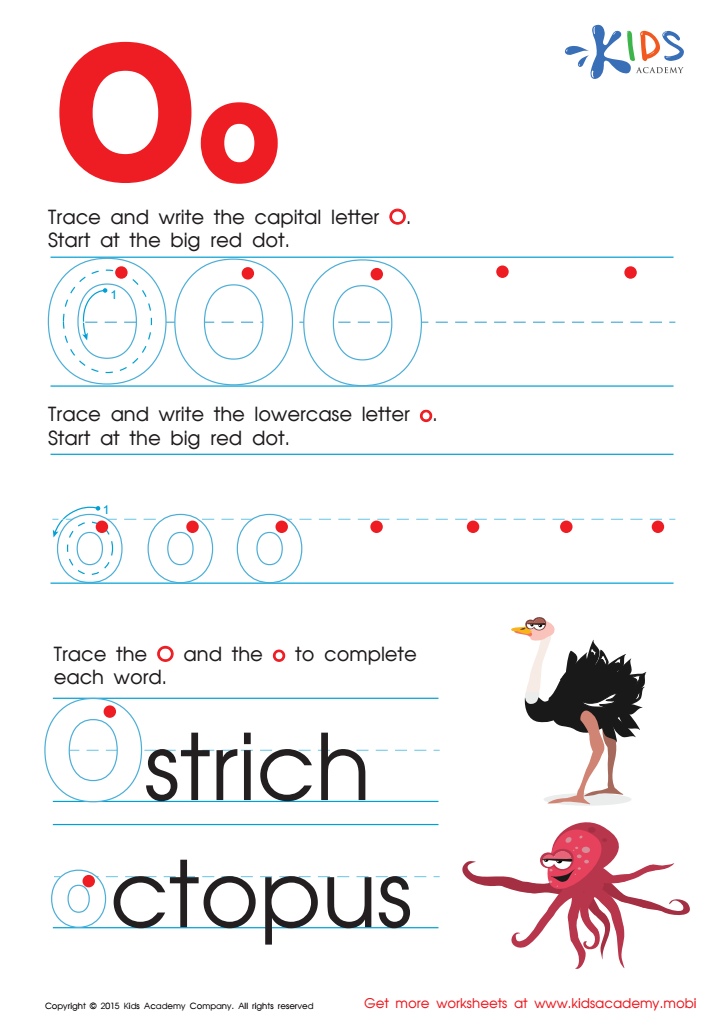
Letter O Tracing Page
 Assign to My Students

Letter P Tracing Page

Letter H Tracing Page
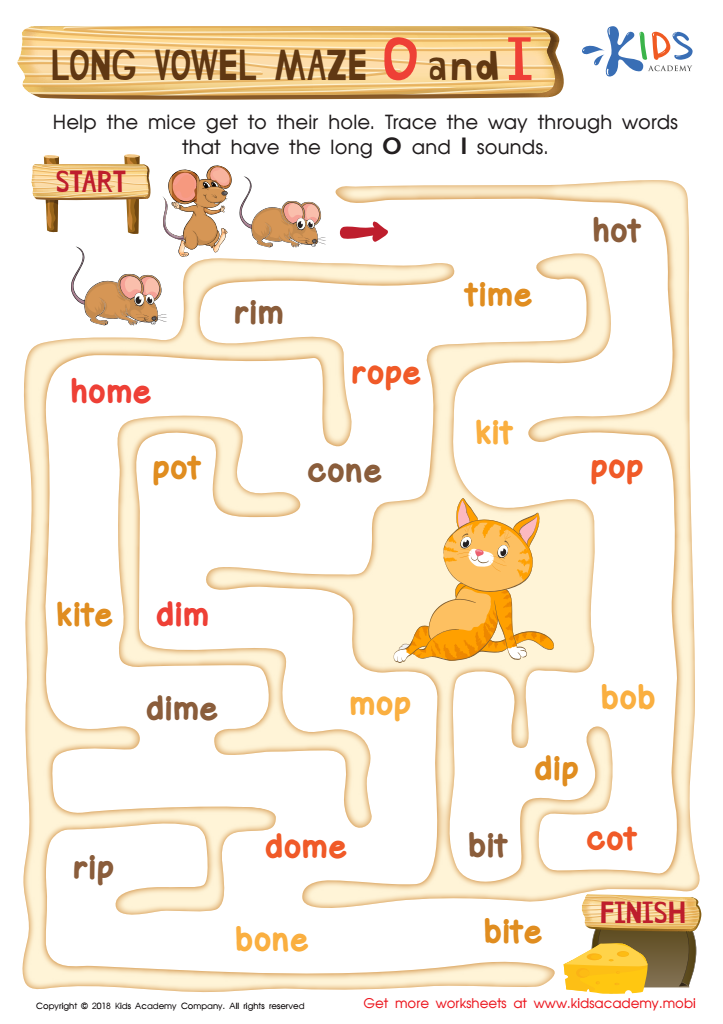
Long Vowel Maze /o/ and /i/ Worksheet

Letter D Tracing Page



Hand-eye coordination is a crucial developmental skill, particularly for first graders as they learn to recognize letters. This skill is the harmonious working together of the hands and eyes in such activities as catching a ball, tying shoelaces, or, academically, learning to read and write. Effective hand-eye coordination enables children to precisely control their hand movements while visually focusing on letters and words. This coordination is essential for letter recognition, a foundational step in literacy.
First graders are at a pivotal stage where they transition from recognizing singular letters to beginning reading. Strong hand-eye coordination aids in smoothing this process by making it easier for them to follow text lines with their eyes and simultaneously guide their hands across the page while writing. This interconnectedness promotes better concentration and memory retention, boosting overall academic performance.
Neglecting the development of hand-eye coordination can hinder a child's ability to differentiate between similar-looking letters like 'b' and 'd', slowing down their reading progress and affecting their confidence. Active encouragement and participation in activities that enhance this skill, such as threading beads, puzzles, or playing catch, can make a significant difference. By understanding its importance, parents and teachers can provide the necessary support, ensuring children step into their academic pursuits with confidence and competence.