Motor skills development Normal Grade 1 Letter Recognition Worksheets
3 filtered results
-
From - To
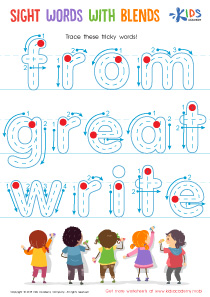
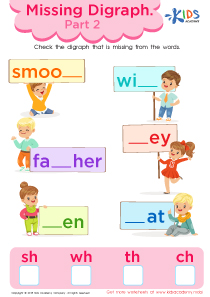
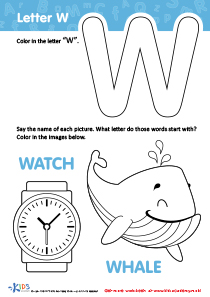
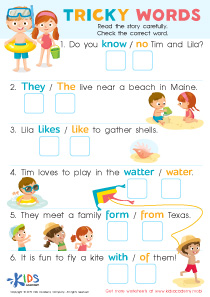
Enhance your child’s motor skills and letter recognition with our engaging Grade 1 worksheets! Designed specifically for first graders, these activities provide a fun and interactive way for young learners to practice identifying and writing letters of the alphabet. Each worksheet focuses on developing fine motor skills through tracing, coloring, and writing exercises. As children work on these tasks, they improve their hand-eye coordination and precision while becoming confident in their literacy skills. Perfect for home or classroom use, our letter recognition worksheets pave the way for a successful reading journey. Encourage exploration and creativity while building essential skills today!

Letter H Tracing Page
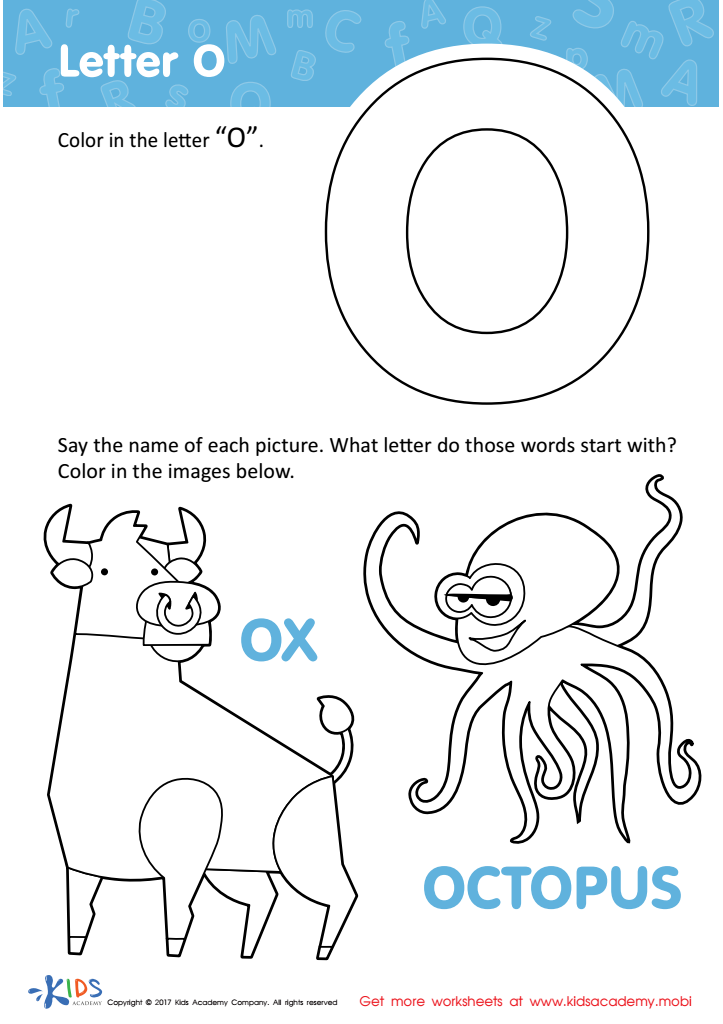
Letter O Coloring Sheet
 Assign to My Students
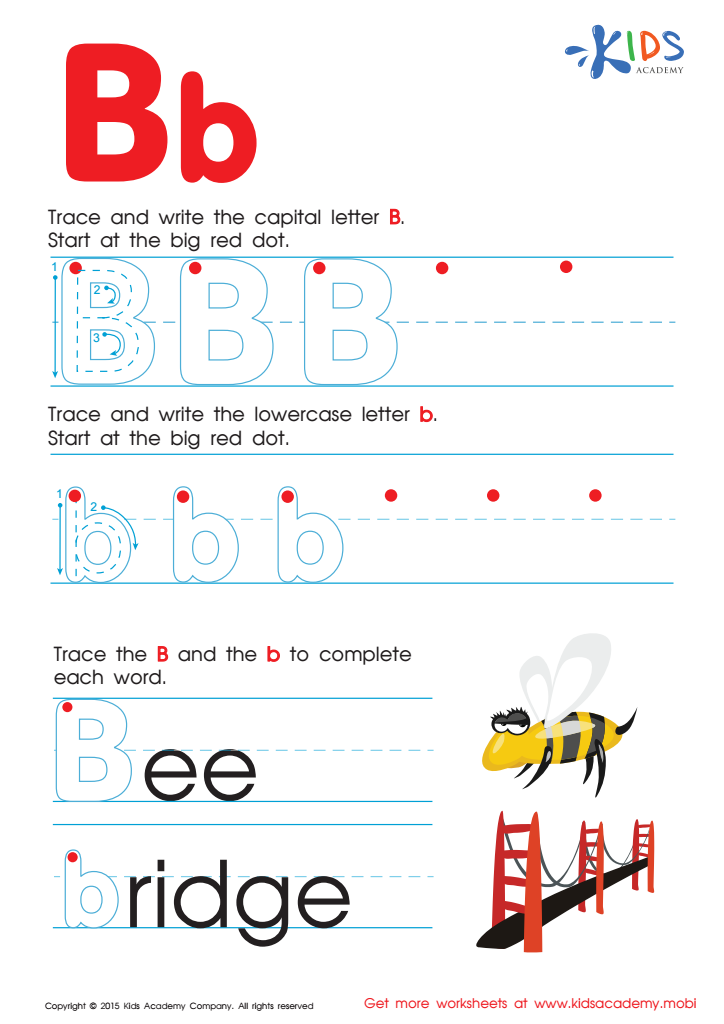
Letter B Tracing Page



Motor skills development, particularly in the context of Grade 1 letter recognition, is crucial for a child’s overall learning and future academic success. At this age, children are transitioning from learning to walk and grasp objects to acquiring skills that facilitate writing and literacy. Strong fine motor skills enhance a child’s ability to write letters clearly and legibly, reinforcing their understanding of letter shapes and sounds.
When parents and teachers prioritize motor skills development, they directly impact a child’s confidence and engagement in learning. Poor motor skills can lead to frustration with writing tasks and hinder literacy growth, creating a negative cycle of self-esteem issues. Moreover, children with advanced motor skills can focus more on phonemic awareness and comprehension, rather than grappling with the mechanics of writing.
Encouraging activities such as tracing letters, playing with manipulatives, and engaging in hands-on art projects can strengthen motor skills while making learning fun. By fostering these abilities, parents and teachers ensure that children become more proficient in reading and writing, setting a strong foundation for their future education. Thus, investing time and resources in motor skills development is essential for fostering a child's academic journey and cultivating a love for learning.