Fine Motor Skills Normal Grade 1 Phonics Worksheets
5 filtered results
-
From - To
Our "Fine Motor Skills Normal Grade 1 Phonics Worksheets" are expertly crafted to combine essential phonics instruction with engaging fine motor activities. Designed for Grade 1 students, these worksheets enhance literacy by teaching letter sounds and blending while simultaneously developing handwriting precision and dexterity. Each worksheet is filled with fun tracing, cutting, and coloring exercises that keep young learners motivated. Perfect for classroom or at-home practice, these resources provide a balanced approach to early reading skills and motor skill development, allowing children to build a strong foundation for future academic success. Ideal for teachers and parents aiming to support comprehensive first-grade learning.
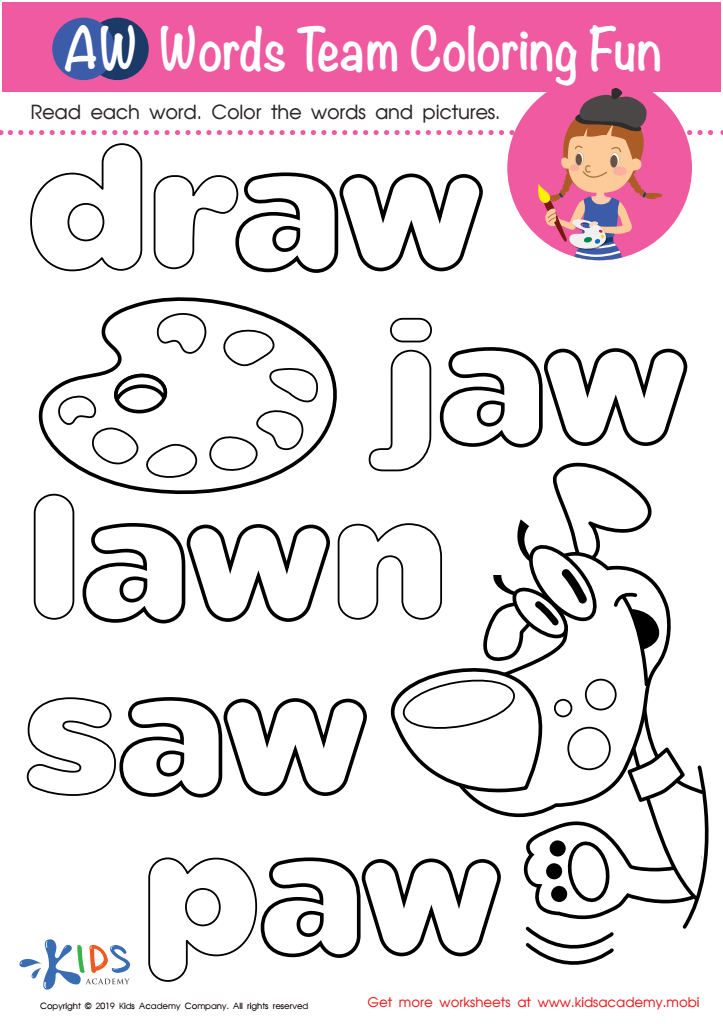
AW Words Team Coloring Fun Worksheet
 Assign to My Students

Long and Short U Worksheet
Assign to My Students
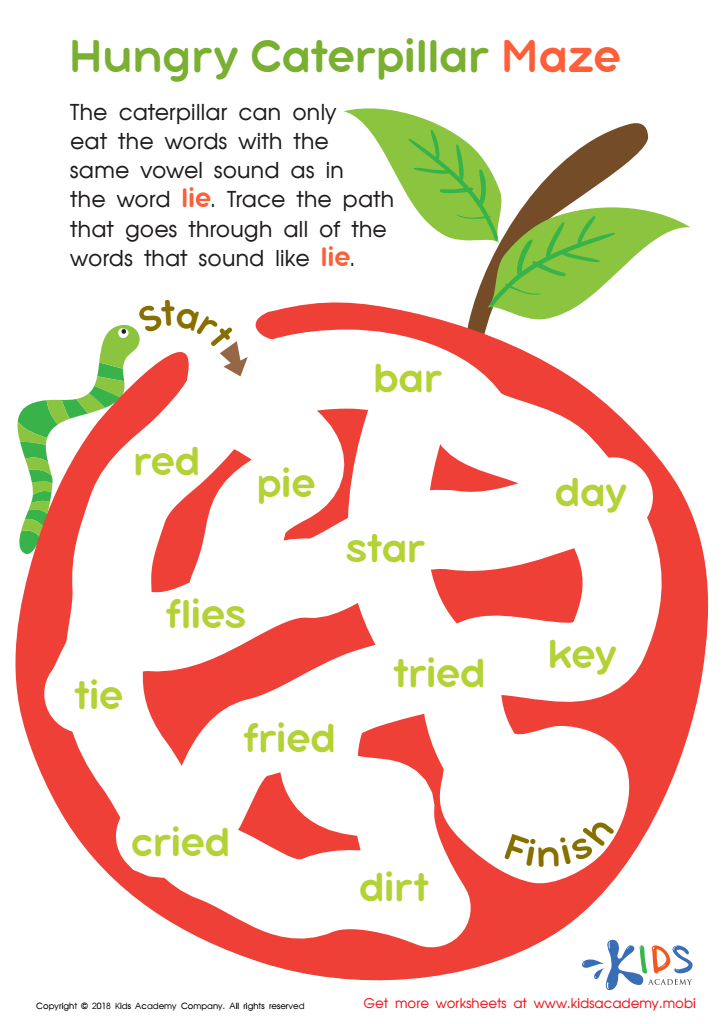
Hungry Caterpillar Maze Worksheet
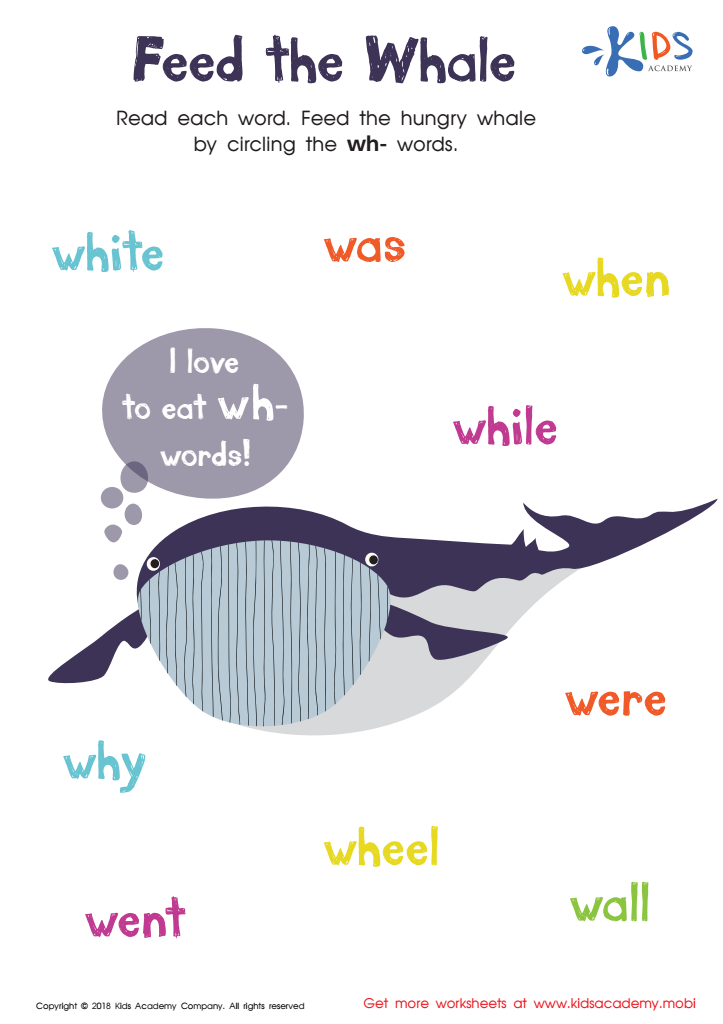
Feed the Whale Worksheet
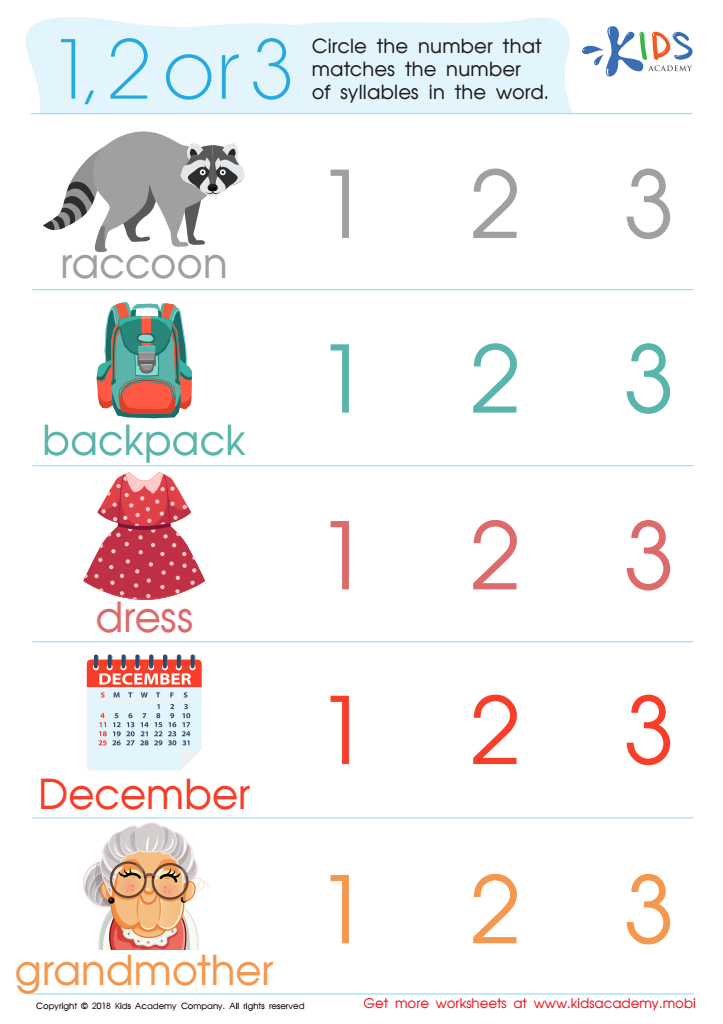
1, 2 or 3? Worksheet


Fine motor skills and phonics are foundational elements in early childhood education. Fine motor skills, which involve the coordination of small muscles in actions like writing, cutting, and buttoning, are crucial for Grade 1 students. Well-developed fine motor skills enable children to perform tasks with precision, impacting their ability to write legibly, use classroom tools, and participate actively in many classroom activities. These skills are directly connected to children’s independence and their ability to explore and express themselves creatively.
Phonics—the relationship between sounds and their spellings—is equally important. Proficiency in phonics is a significant predictor of reading success. Children in Grade 1 learning phonics become better at decoding words, which enhances their reading fluency and comprehension. Mastery of phonics is essential for developing strong literacy skills foundational to all future learning.
Caring about both of these aspects means promoting an educational environment where students can thrive. By supporting fine motor skill development, parents and teachers help children perform everyday tasks more efficiently and accurately. Simultaneously, an emphasis on phonics ensures that children gain essential reading skills, which are crucial for their overall academic success. From self-confidence to academic competence, attention to these areas boosts children's early educational experiences and long-term potential.