Hand-eye Coordination Normal Grade 1 Phonics Worksheets
5 filtered results
-
From - To
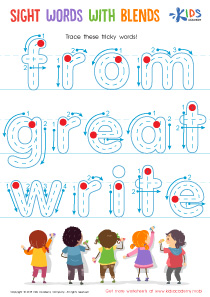
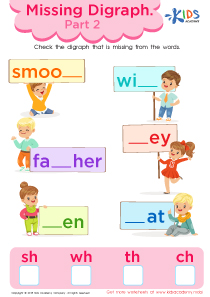
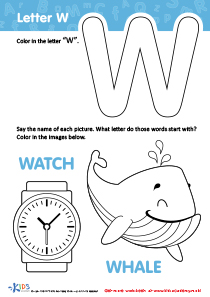
Enhance your child's learning experience with our engaging Hand-eye Coordination Normal Grade 1 Phonics Worksheets! Designed specifically for first graders, these worksheets combine phonics practice with fun activities that refine hand-eye coordination. Kids will enjoy tracing letters, matching sounds to pictures, and completing interactive exercises that boost both their phonetic skills and motor abilities. These comprehensive resources are perfect for reinforcing classroom learning at home, ensuring your child develops essential literacy skills while improving their coordination. Explore our collection today and watch your little one thrive in their phonics journey, all while having fun! Ideal for parents and educators alike.
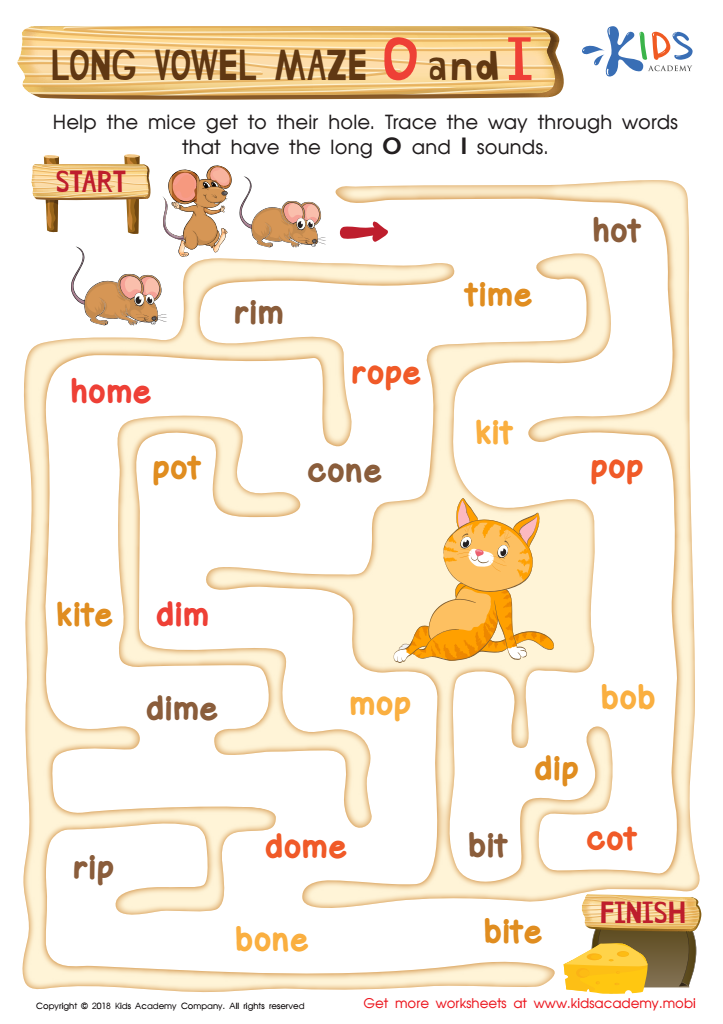
Long Vowel Maze /o/ and /i/ Worksheet
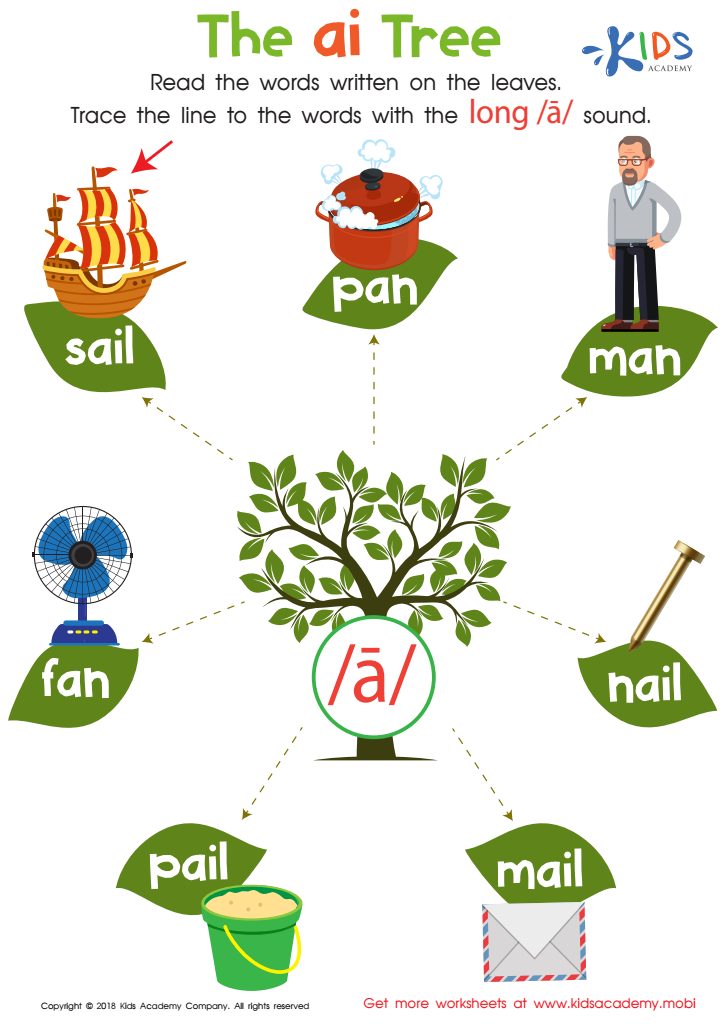
The AI Tree Worksheet
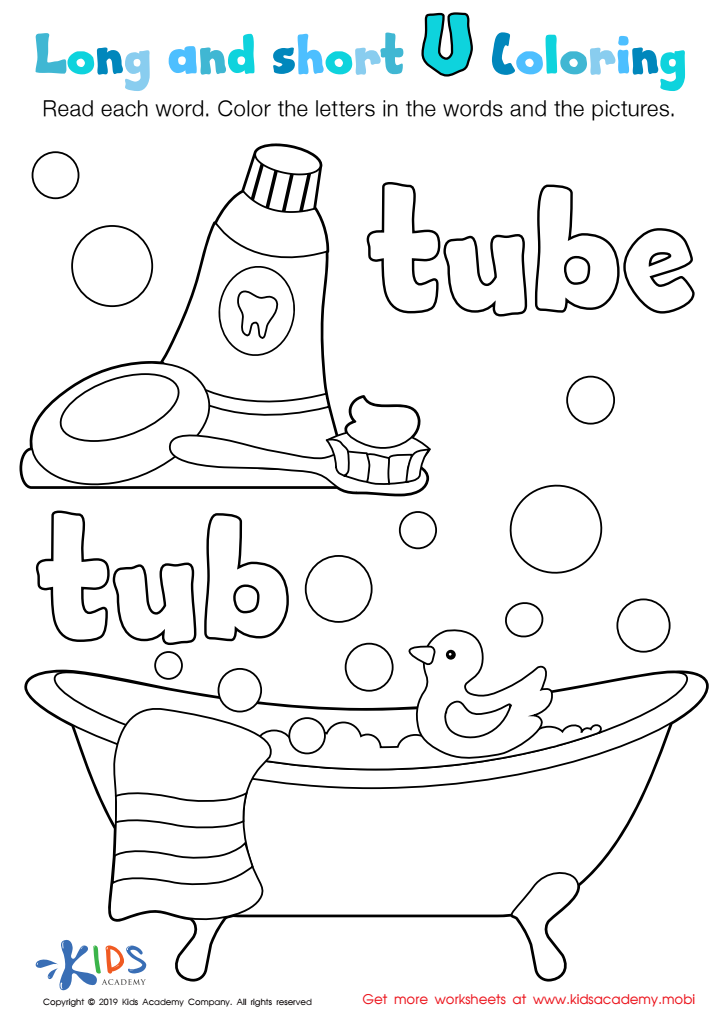
Long and Short U Worksheet
 Assign to My Students
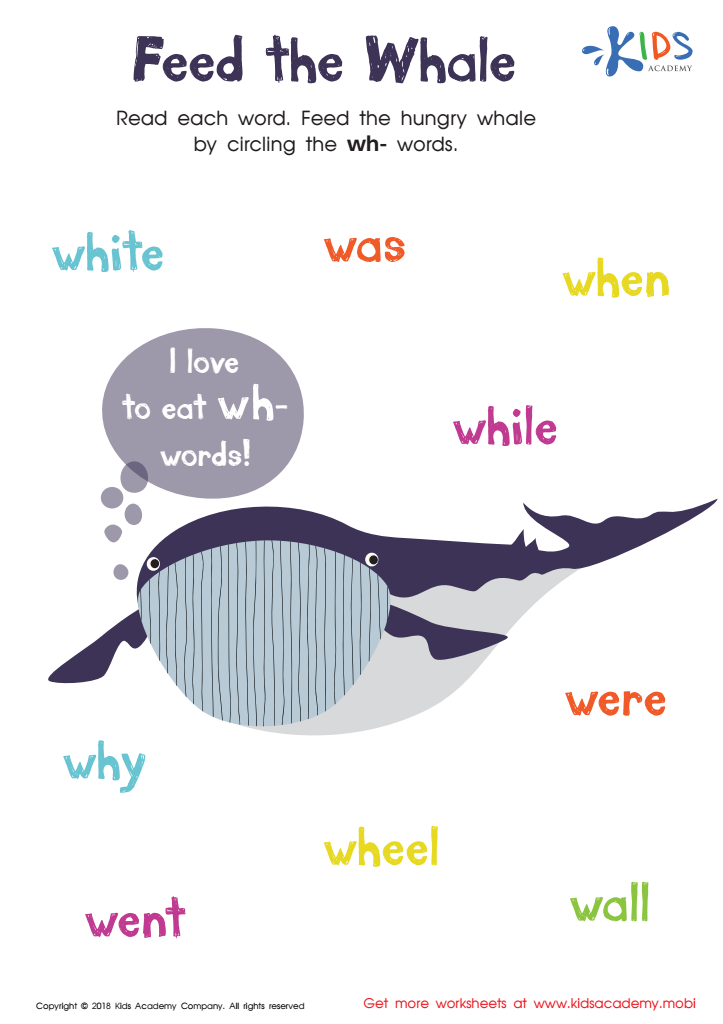
Feed the Whale Worksheet

Long and Short E Worksheet
Assign to My Students


Hand-eye coordination is a crucial skill for young learners, especially in Grade 1, as it lays the foundation for various academic and motor activities. Parents and teachers should care about this skill because it directly impacts a child's ability to engage in phonics and literacy activities. Good hand-eye coordination helps students perform tasks such as writing letters, tracking words on a page, and manipulating books.
In phonics instruction, children are often required to pick up, manipulate, and organize letters and words. Strong hand-eye coordination aids them in making connections between letters and sounds, as well as developing fluent handwriting. This coordination enhances their confidence and interest in learning to read and write, which are vital skills they will use throughout their education.
Furthermore, encouraging activities that improve hand-eye coordination—like drawing, playing with building blocks, or engaging in simple sports—can make learning more interactive and enjoyable. Parents and teachers can collaborate to support these skills not only academically but socially and physically, recognizing that developing hand-eye coordination contributes to a child's overall growth, aiding them in becoming more proficient and enthusiastic learners.