Letter recognition Normal Grade 1 Phonics Worksheets
4 filtered results
Difficulty Level
Grade
Age
-
From - To
Subject
Activity
Standards
Enhance your first grader's literacy skills with our engaging Letter Recognition Normal Grade 1 Phonics Worksheets! Designed to make learning fun, these worksheets encourage children to identify, recognize, and use letters confidently. Each activity incorporates vibrant illustrations and interactive exercises, helping young learners master letter sounds, uppercase and lowercase letters, and phonetic associations. Ideal for classroom settings or homeschooling, our comprehensive resources foster both academic growth and a love for reading. Watch your child thrive as they develop essential phonics skills with our intuitive worksheets. Get started today and pave the way for a lifetime of learning!
Favorites
With answer key
Interactive
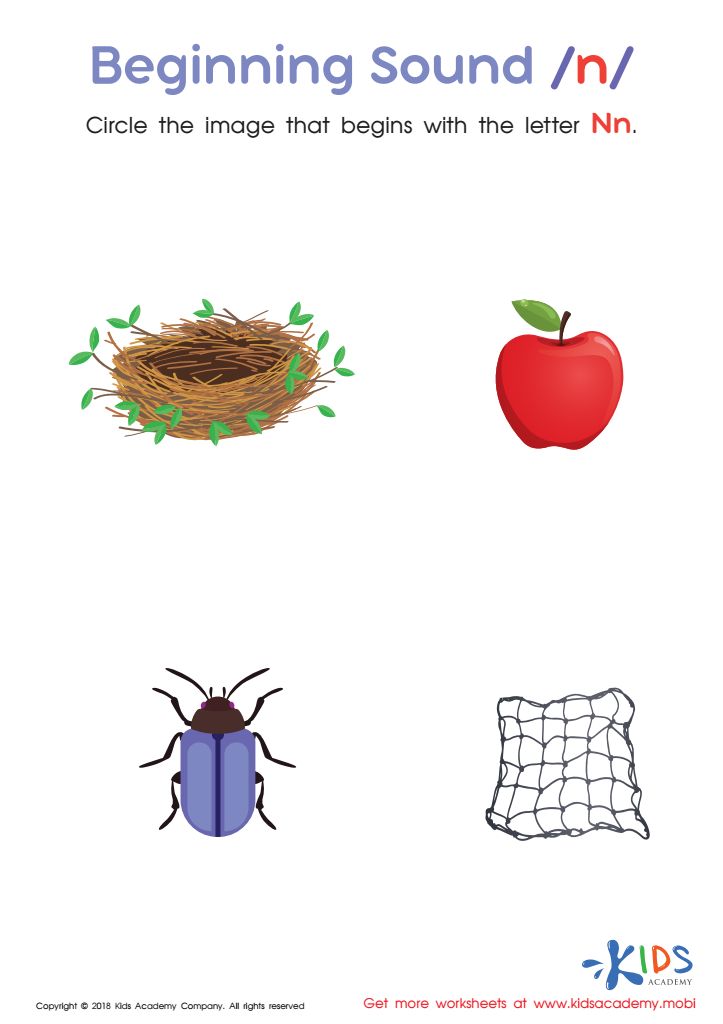
Beginning Sound «n» Worksheet
Help your emerging reader learn the initial «n» sound with this free PDF worksheet! Strengthen fine motor skills by tracing circles around words beginning with «n». Pictures are clear and engaging, giving beginning Phonics learners the right amount of practice and the confidence to succeed.
Beginning Sound «n» Worksheet
Worksheet
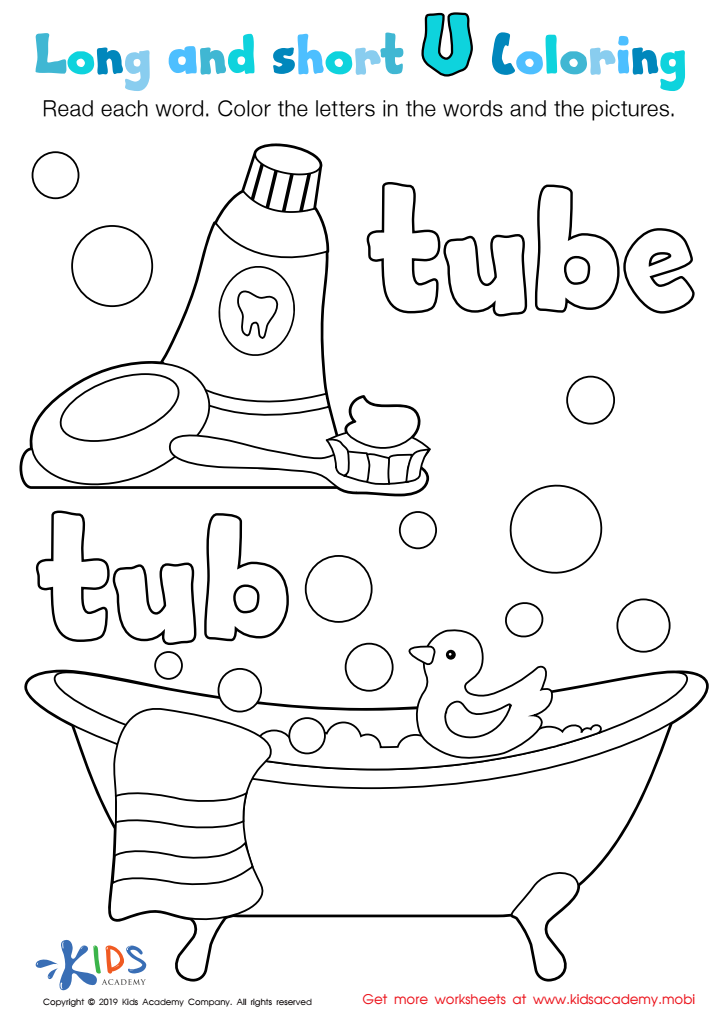
Long and Short U Worksheet
Revised: Spice up your lesson on long and short vowels with this fun printout! Kids read the words "tube" and "tub," then reinforce the sound by coloring in the words and pictures. It's a great way to make phonics class enjoyable!
Download (PDF)
 Assign to My Students
Assign to My Students
Long and Short U Worksheet
Worksheet
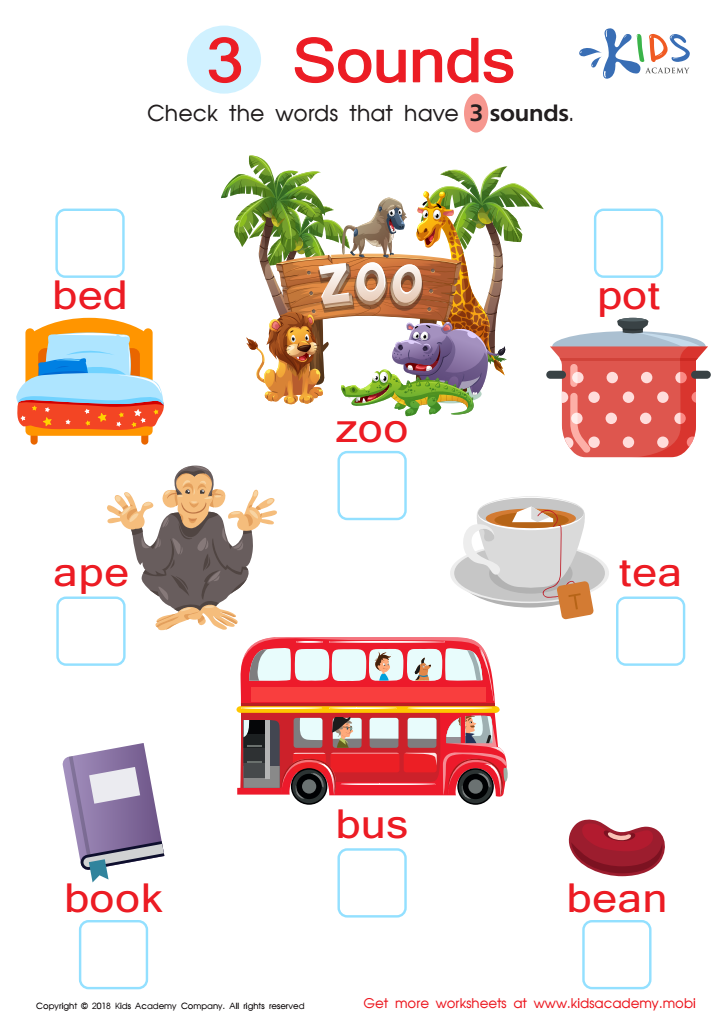
3 Sounds Worksheet
Kids will love learning with this free, colorful worksheet. It's full of familiar words they can name and sound out with three distinct sounds. This helps build decoding skills, plus they get to check off words they read. It's a fun way to teach children to identify and use sounds.
3 Sounds Worksheet
Worksheet

Long and Short E Worksheet
This fun printout makes learning phonics enjoyable for Grade 3 students. Get them to read the words “tree” and “bed” to recognize the different sounds of the letter “E”. After hearing the words they can color the words and the pictures to understand differences between long and short vowels.
Download (PDF)
Assign to My Students
Assign to My Students
Long and Short E Worksheet
Worksheet
Join Kids Academy for Free
Who is primarily going to use this learning content?


Letter recognition is a foundational skill in early education, particularly in Grade 1 phonics, and is crucial for reading development. Parents and teachers should care about this skill for several reasons. Firstly, letter recognition allows children to identify and differentiate between letters, which is essential for decoding words. This skill enables them to transition from phonemic awareness to reading fluency, making the learning process smoother.
Moreover, recognizing letters facilitates spelling and writing abilities. Strong letter recognition skills can lead to increased confidence in young learners, encouraging them to engage more actively in reading and writing activities. Phonics instruction, grounded in letter recognition, supports children in understanding the sounds associated with each letter, vital for blending sounds to form words.
Additionally, letter recognition is tied to overall academic success; children who struggle with this skill may experience difficulties in other areas of literacy and learning. By focusing on letter recognition, parents and teachers can lay a solid groundwork for future educational development. Encouraging practices such as reading aloud, interactive games, and letter-based activities can significantly enhance letter recognition, ultimately fostering a passionate and skillful reader. Therefore, emphasizing this skill in early education can lead to lifelong advantages in literacy.