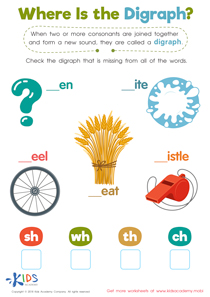
Reading comprehension Normal Grade 1 Three Letter Words Phonics Worksheets
3 filtered results
-
From - To
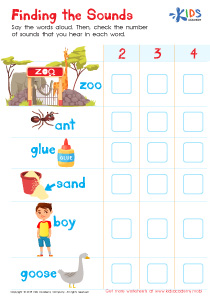
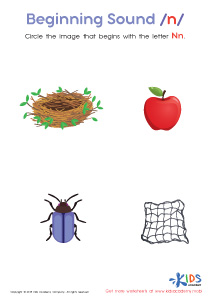
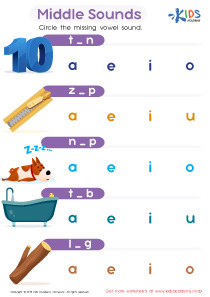
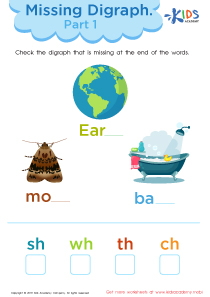
Boost your child's reading skills with our Reading Comprehension Normal Grade 1 Three Letter Words Phonics Worksheets! Designed for first graders, these engaging worksheets feature fun activities that help youngsters decode simple three-letter words, improving both phonics understanding and reading comprehension. These resources are perfect for guiding children through the basics of blending sounds and recognizing word patterns. With clear instructions and delightful illustrations, your little learners will find reading practice enjoyable and fulfilling. Enhance their literacy journey today with these effective and educational phonics worksheets tailored for early readers!
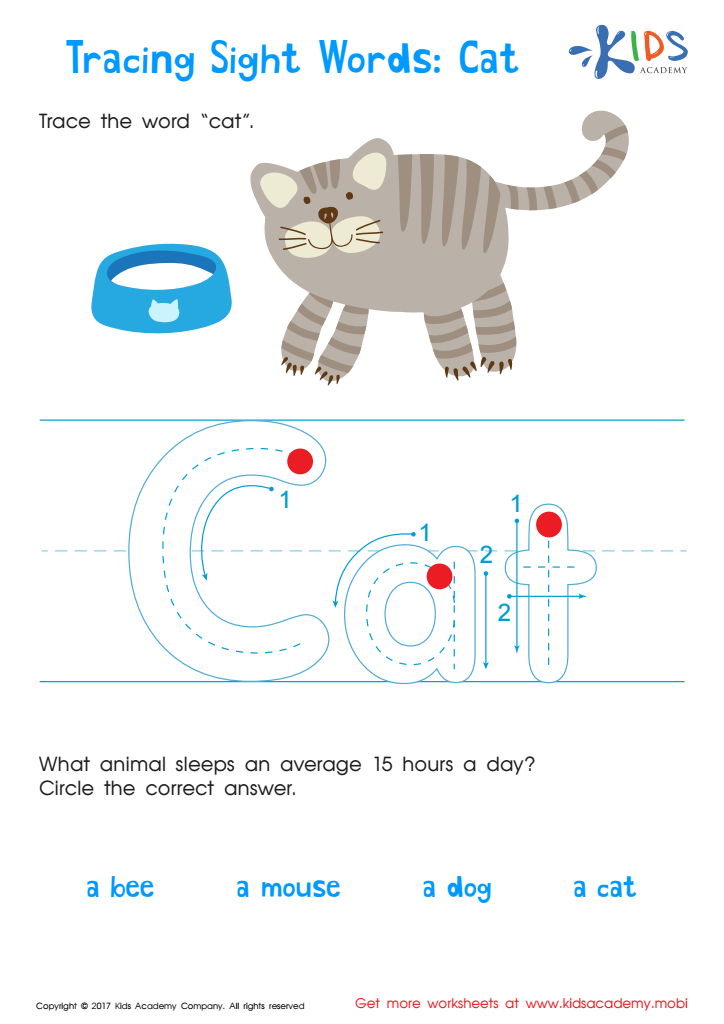
Cat Printable Sight Words Worksheet
 Assign to My Students
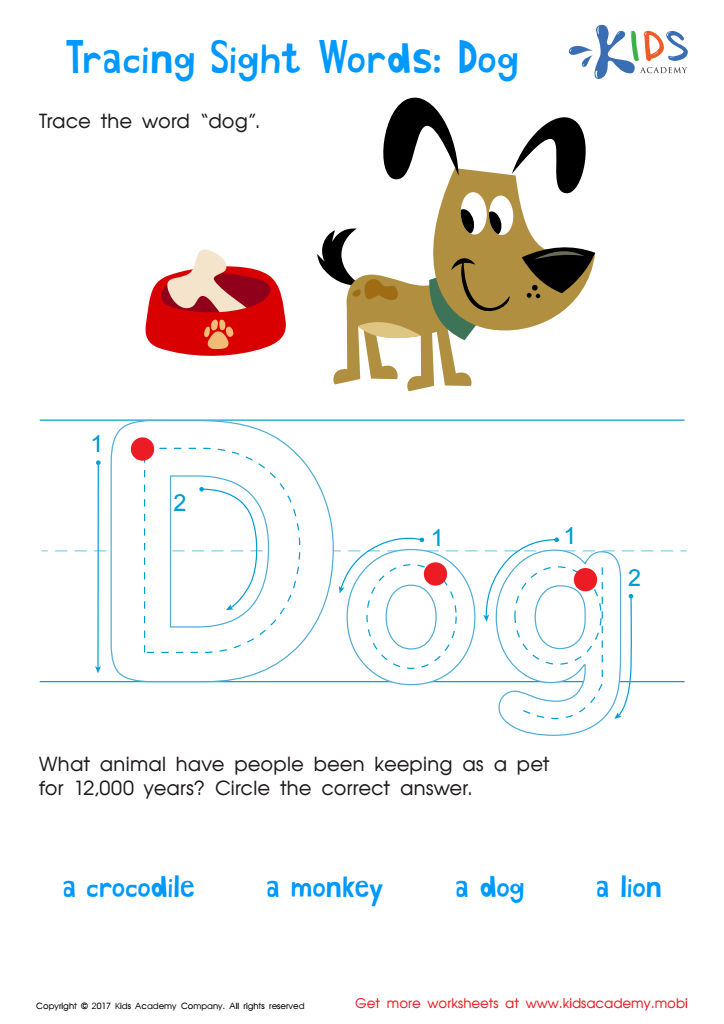
Dog Worksheet Sight Words Worksheet
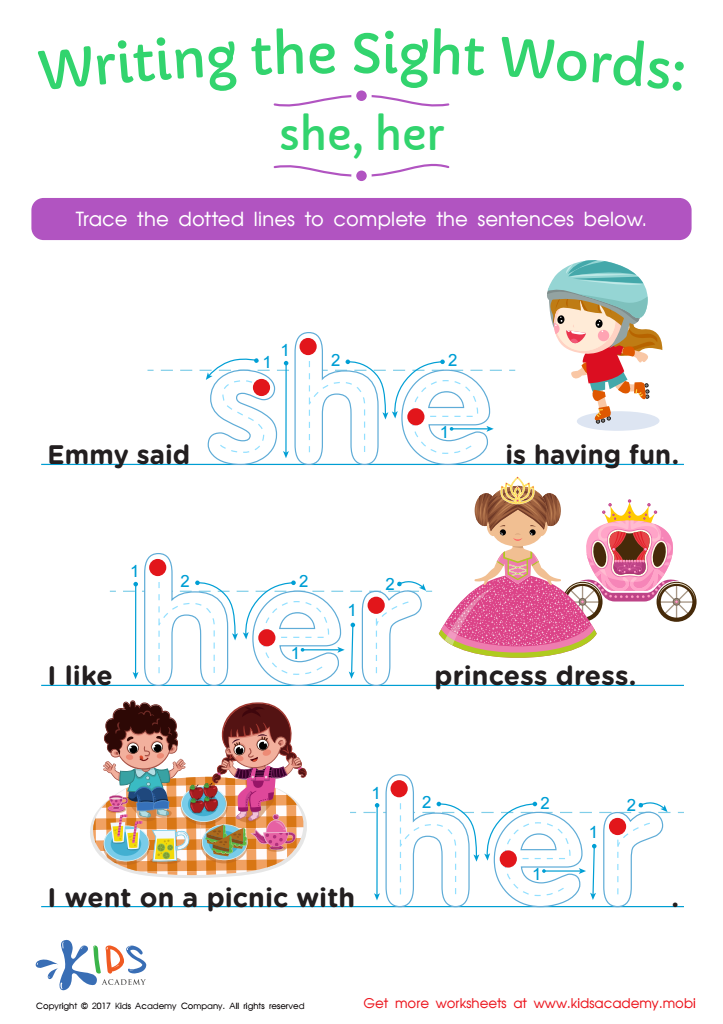
She, Her Printable Sight Words Worksheet


Reading comprehension is a fundamental cornerstone in a child's educational journey. For first-grade students, mastering three-letter words through phonics is critical in developing this skill. Phonics—understanding the relationship between letters and their sounds—enables children to decode simple words, which enhances their ability to read independently.
When children grasp three-letter words (like 'cat,' 'dog,' and 'bat'), they build a solid foundation for more complex reading skills. These basic words serve as the building blocks for larger, multisyllabic words they will encounter in later stages of reading. Effective phonics instruction can significantly improve a child's phonemic awareness, which is crucial for reading readiness. Without a solid grasp of these fundamental skills, students may struggle with reading comprehension long-term.
Parents and teachers should invest effort and nothing type encounters like reading exercises, interactive phonics games, and storytelling to cultivate a rich learning environment. This initial focus on three-letter words not only boosts confidence but also instills a love for reading by turning learning into an engaging and enjoyable activity. Early exposure and practice are key. The earlier students achieve proficiency with phonics and simple words, the more prepared they will be for the literacy challenges ahead. Therefore, investing attention and resources at this stage will yield long-term educational benefits, setting the stage for lifelong learning and academic success.