Basic Addition Normal Grade 1 Numbers Worksheets
5 filtered results
-
From - To
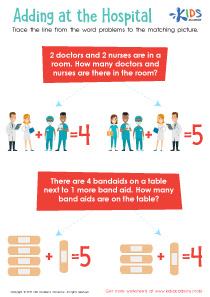
Welcome to our Basic Addition Worksheets for Grade 1! These engaging worksheets are designed to help young learners develop essential math skills. Perfect for reinforcing addition concepts, they include a variety of activities that encourage students to practice adding numbers in a fun and interactive way. Kids will enjoy vibrant visuals, a range of difficulty levels, and a friendly learning environment. Ideal for classroom use or home practice, our worksheets support early math development through repetition and hands-on learning. Give your first grader the tools they need to master basic addition and build a strong numerical foundation. Explore our collection today!
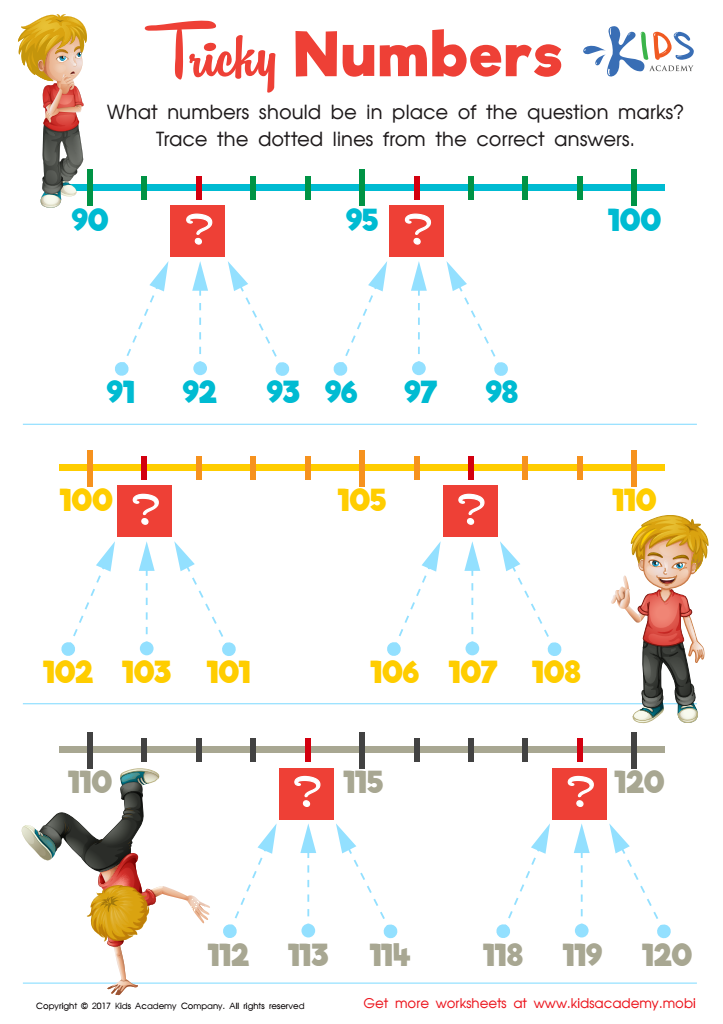
Tricky Numbers Worksheet
 Assign to My Students
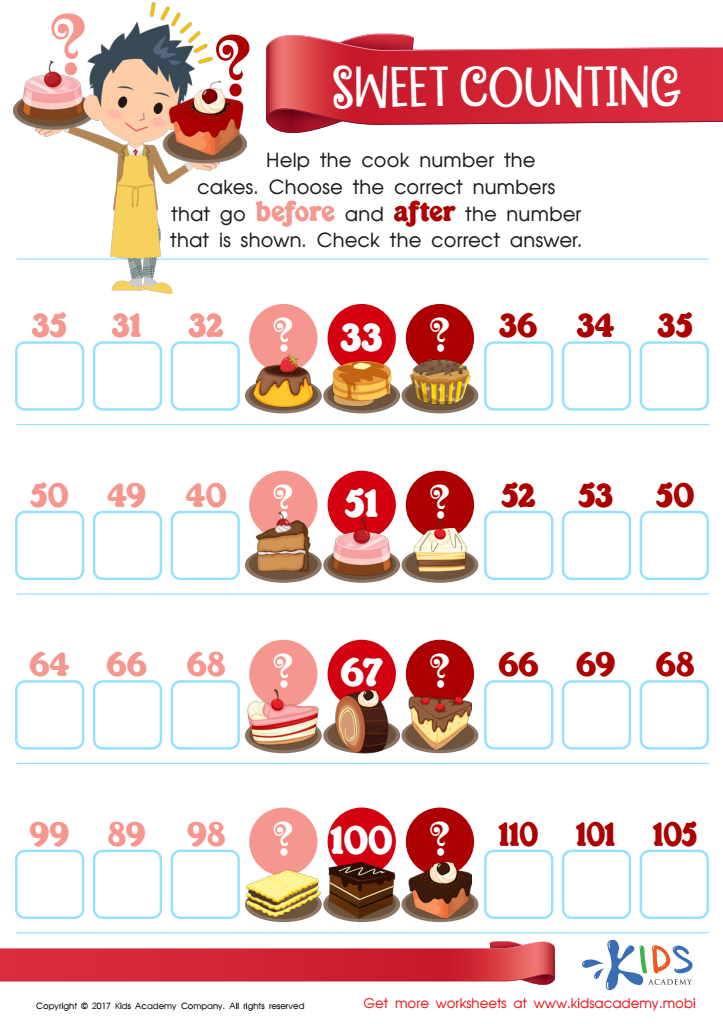
Sweet Counting - Part 1 Worksheet
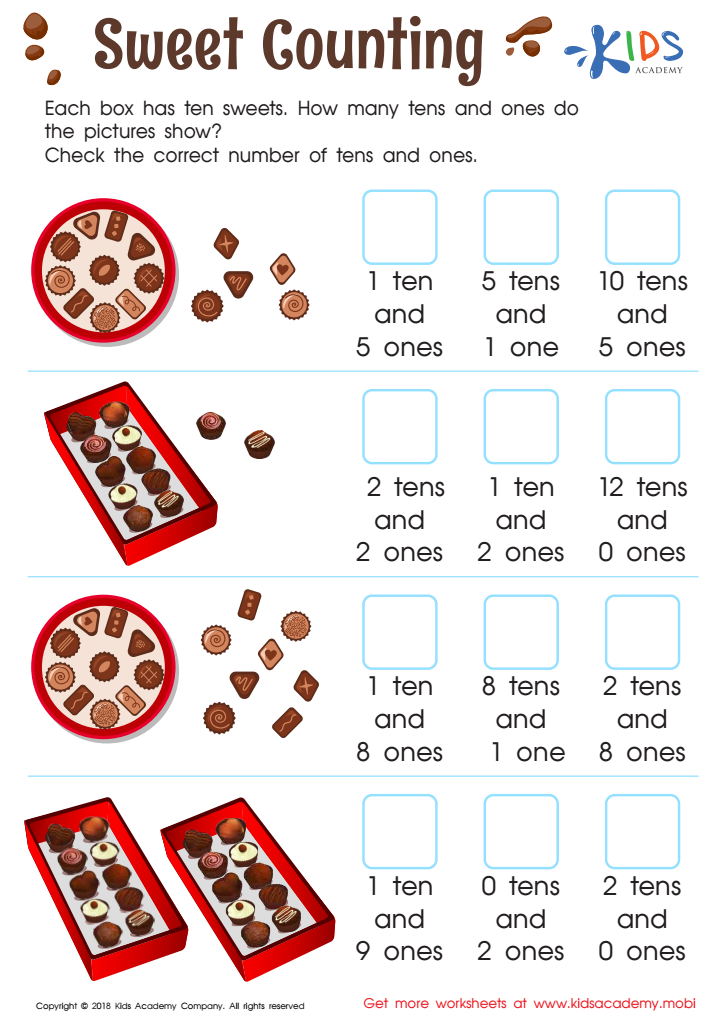
Sweet Counting - Part 2 Worksheet
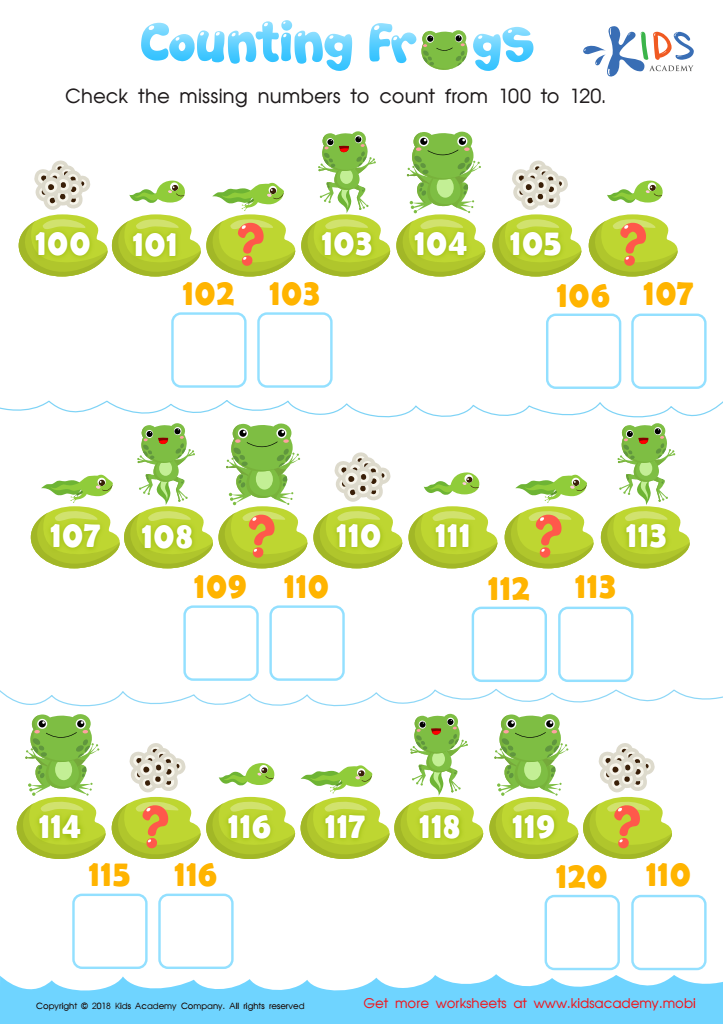
Counting Frogs Worksheet
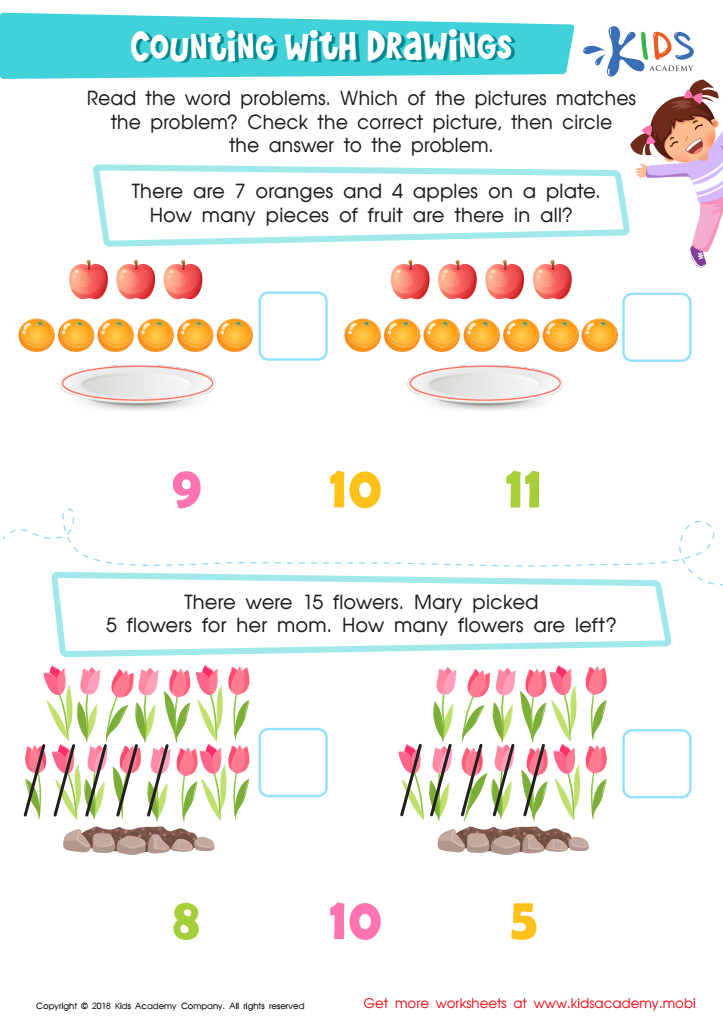
Counting with Drawings:Fruits & Flowers Worksheet








Basic addition is a fundamental skill that serves as the building block for mathematics education. For first graders, mastering basic addition lays the groundwork for future math concepts and problem-solving skills. Parents and teachers should pay special attention to this foundational stage for several reasons.
Firstly, gaining proficiency in basic addition helps children develop confidence in their mathematical abilities. As they successfully solve simple problems, they experience a sense of accomplishment that encourages them to tackle more complex concepts. This confidence can translate into a positive attitude towards learning.
Secondly, basic addition is crucial in everyday life. Understanding and applying addition allows children to manage simple tasks, such as counting items, telling time, and handling money. These everyday applications make math relevant and engaging.
Moreover, the skills developed through basic addition—critical thinking, logical reasoning, and even pattern recognition—extend beyond math and into other subjects. By supporting first graders in mastering addition, parents and teachers contribute to a well-rounded education that promotes cognitive development.
Ultimately, a solid grasp of basic addition establishes a strong foundation for continued learning, ensuring children are prepared for academic success in school and their future endeavors.