Shape identification Normal Grade 1 Math Worksheets
3 filtered results
-
From - To
Unleash your child’s geometry skills with our Shape Identification Normal Grade 1 Math Worksheets! Specially designed for first graders, these engaging worksheets help students recognize and distinguish between various shapes like circles, squares, triangles, and rectangles. With colorful illustrations and interactive tasks, kids will develop strong spatial awareness and foundational math skills in a fun way. Ideal for classroom and home practice, our worksheets enhance problem-solving abilities and boost confidence in young learners. Equip your child with the tools to succeed in math early on. Download now and let the shape exploration begin!
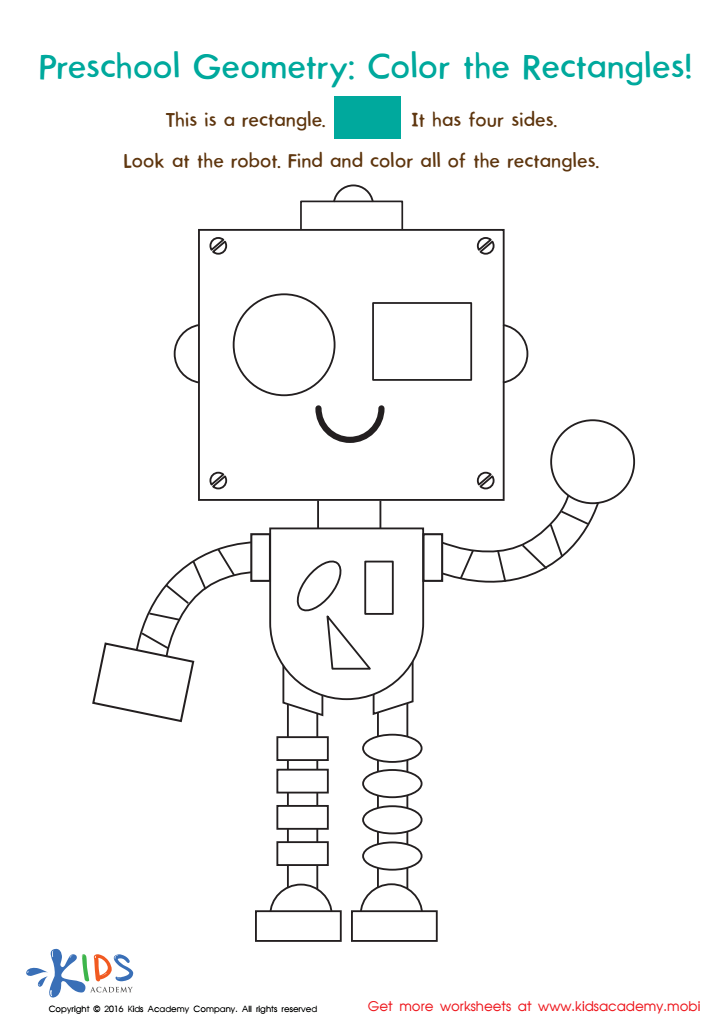
Geometry Worksheet
 Assign to My Students
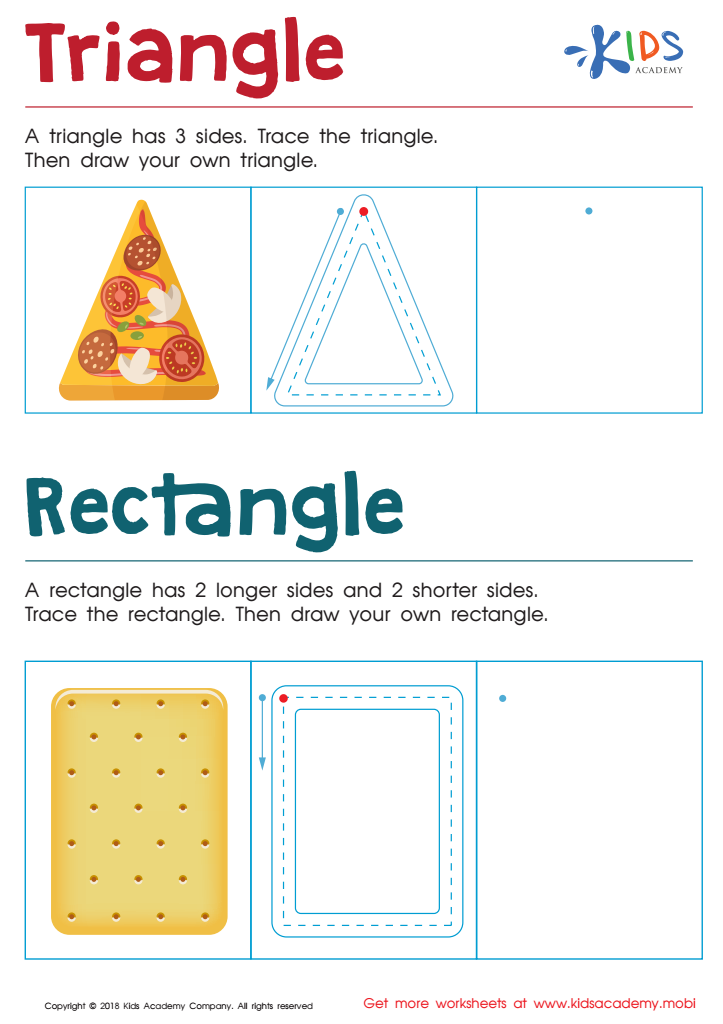
Triangle Rectangle Worksheet
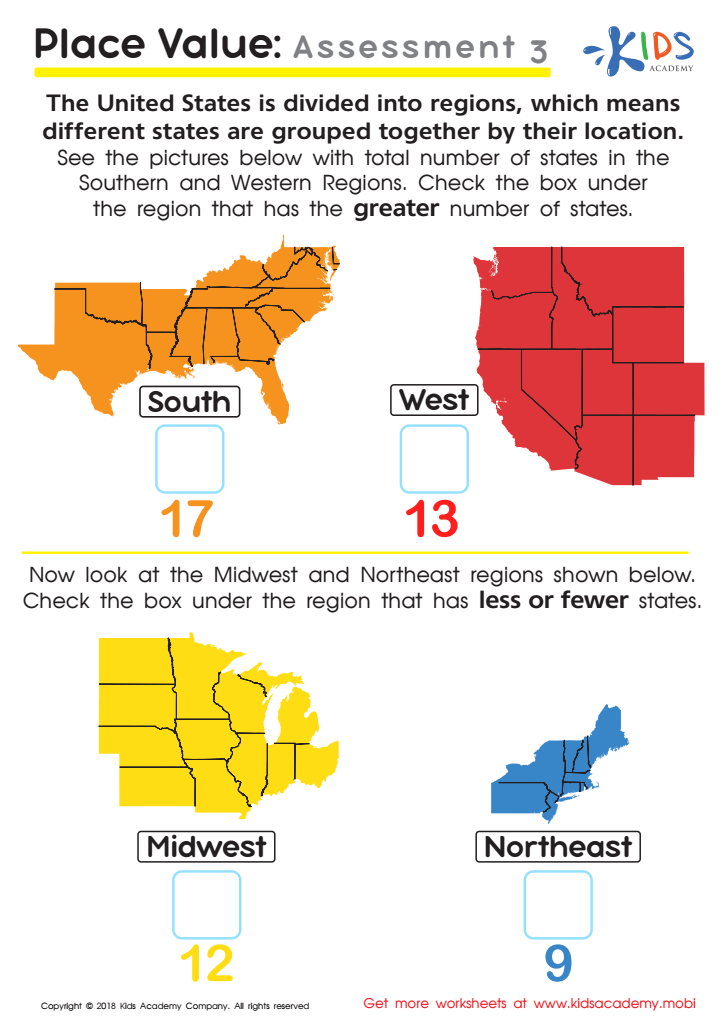
Place Value: Assessment 3 Worksheet



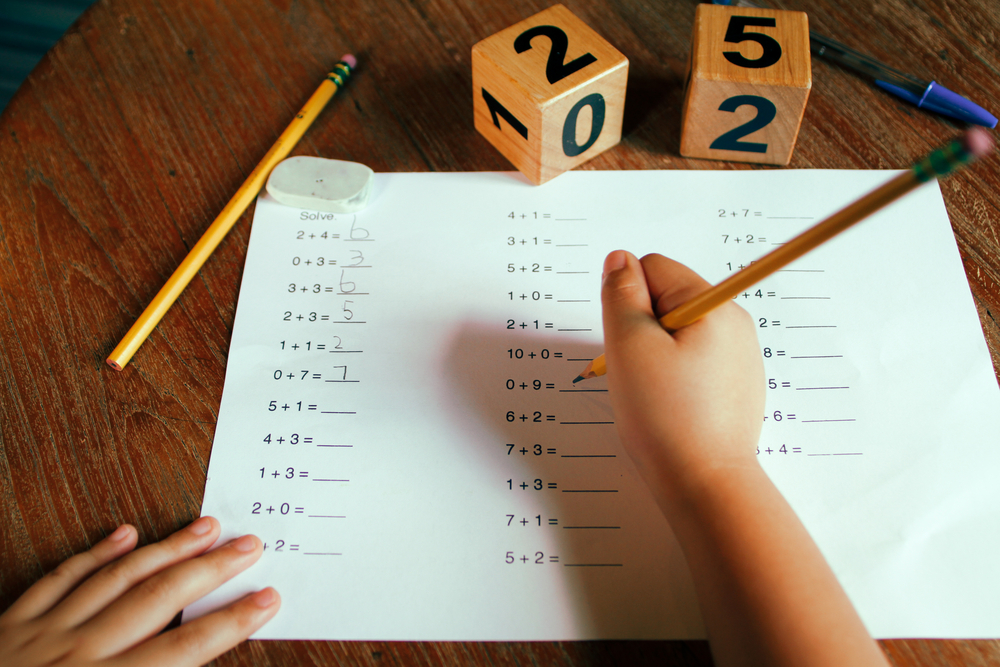



Shape identification in Grade 1 math is crucial for young learners' overall cognitive development and everyday functioning. First, recognizing and differentiating shapes help children develop critical thinking and problem-solving skills. Understanding shapes fosters spatial reasoning, a foundational skill for more advanced math topics, especially geometry. It also enhances a child's ability to comprehend directions and navigate the world, both physically (e.g., understanding maps, assembling puzzles) and conceptually.
Moreover, shape identification isn't just about math; it’s interwoven with literacy. For instance, recognizing shapes can support early reading skills by helping children distinguish different letters and numerals. Shapes form the basis of pattern recognition, a key skill in both reading and mathematical reasoning.
For parents and teachers, focusing on this area early can promote a child's confidence and competence in more complex subjects later. Engaging with shapes through games and hands-on activities makes learning enjoyable and reinforces classroom lessons, ensuring that foundational concepts are well-understood and retained.
Incorporating shape identification into the daily curriculum and home activities fosters a comprehensive learning environment. This holistic approach supports a child's overall academic growth, encouraging curiosity and a positive attitude towards learning that can last a lifetime.