Vocabulary enhancement Normal Grade 1 Reading Non-Fiction Worksheets
6 filtered results
-
From - To
Explore our Vocabulary Enhancement Non-Fiction Worksheets, designed specifically for Grade 1 students. These engaging resources support young learners in developing essential vocabulary skills while exploring fascinating non-fiction texts. Each worksheet is crafted to boost comprehension and encourage a love for reading through varied activities that promote word recognition, context clues, and meaningful understanding. Ideal for home and classroom use, these worksheets blend education and fun, helping children build their confidence in reading comprehension. Foster your child's learning journey with our thoughtful, curriculum-aligned materials, creating a strong foundation for future literacy success. Discover the joy of non-fiction reading today!
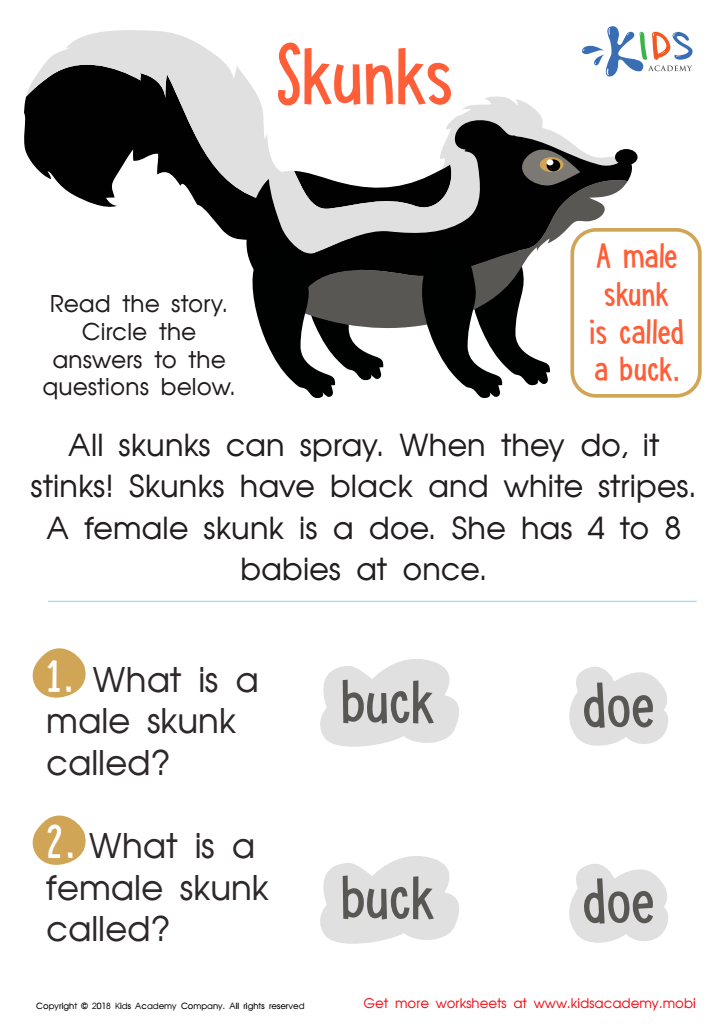
Skunks Worksheet
 Assign to My Students
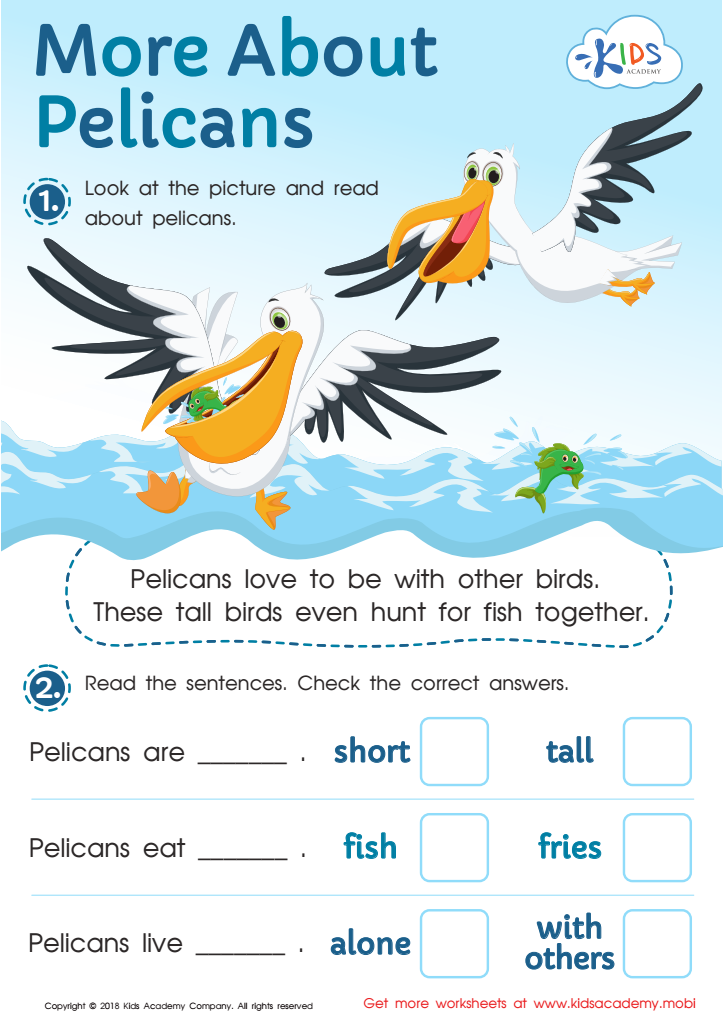
More About Pelicans Worksheet
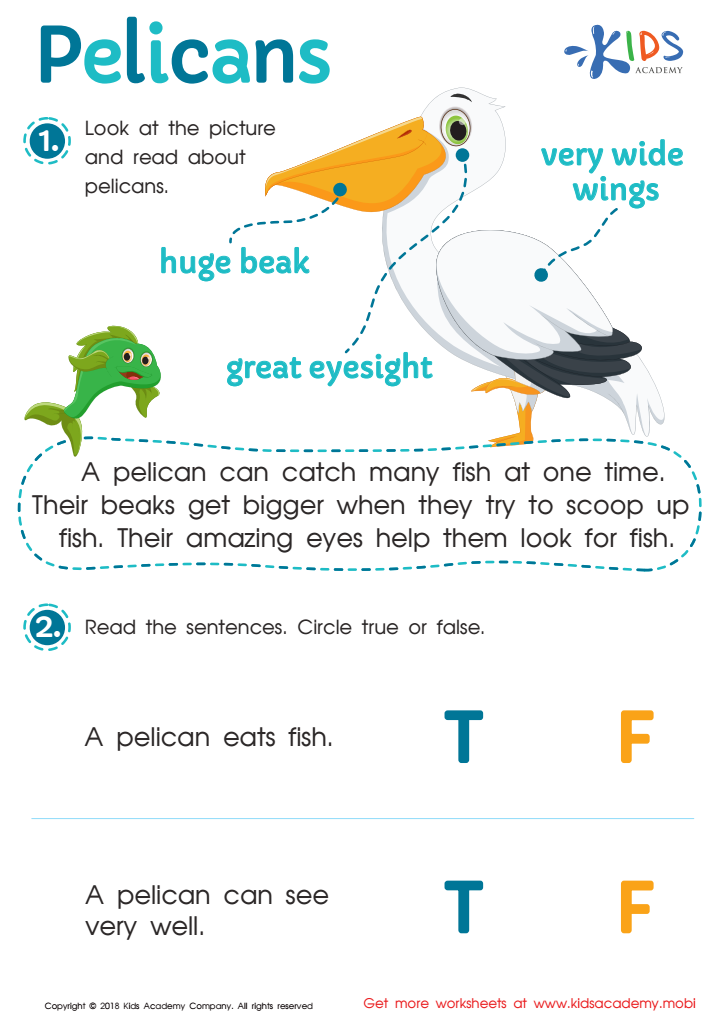
Pelicans Worksheet
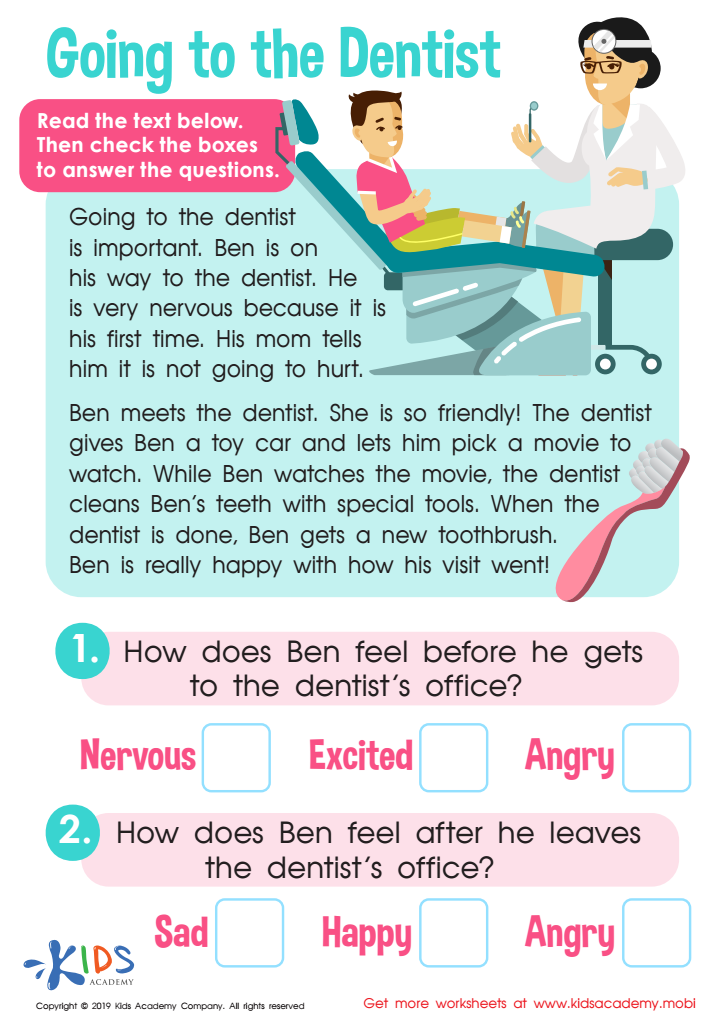
Going to the Dentist Worksheet
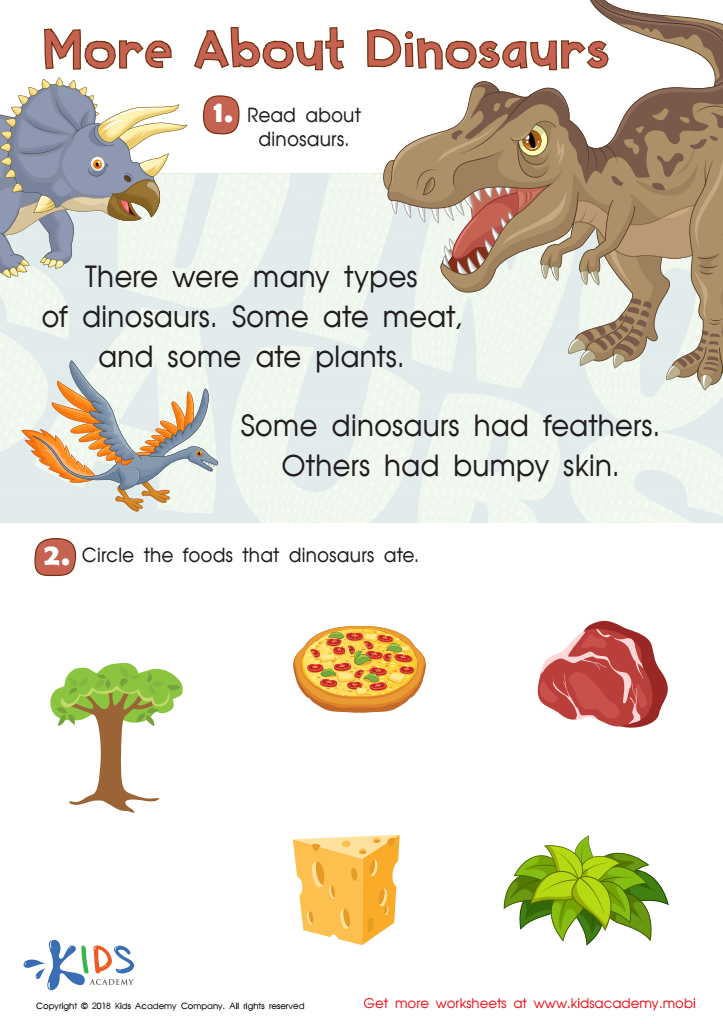
More About Dinosaurs Worksheet
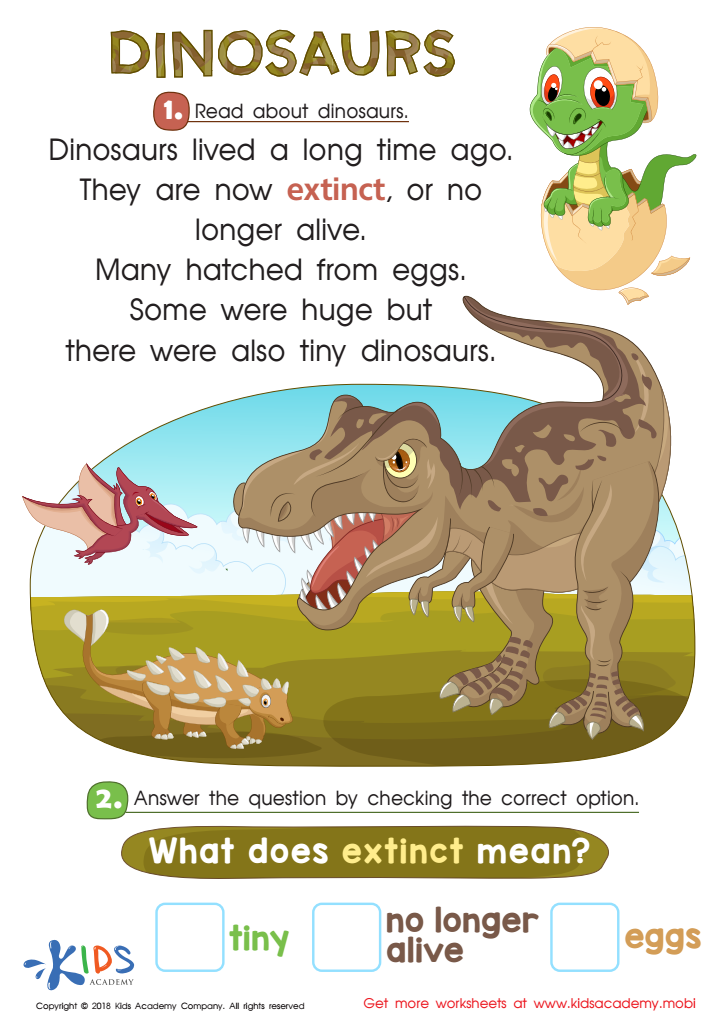
Dinosaurs Worksheet



Vocabulary enhancement in Grade 1 non-fiction reading is crucial for several reasons. At this stage, children are developing foundational literacy skills that serve as the building blocks for their future education. A rich vocabulary not only enhances comprehension but also enables students to express their thoughts more effectively. Non-fiction texts, which often present factual and informational content, help children engage with real-world concepts—ranging from science and history to social studies.
For parents and teachers, fostering a love for words within non-fiction contexts can spark curiosity about the world. When children encounter new terms related to their interests, concepts like cause and effect, comparisons, and classifications become more accessible, ultimately enriching their academic experience. Enhanced vocabulary comprehension can lead directly to improved reading skills, which are integral for success in all subjects.
Moreover, a larger vocabulary can boost a child's confidence in both speaking and writing. As they learn to articulate their ideas using newly acquired words, they become more engaged learners. Thus, emphasizing vocabulary enhancement in Grade 1 reading—not just for academic benefits but also for personal growth—should be a priority for both parents and teachers, ensuring that young learners are well-prepared for future challenges.