Alphabet Recognition Normal Kindergarten ABC Coloring Pages Worksheets
10 filtered results
Difficulty Level
Grade
Age
-
From - To
Subject
Activity
Standards
Discover the perfect learning tool for young learners with our Alphabet Recognition Normal Kindergarten ABC Coloring Pages Worksheets! Designed for kids, these worksheets make alphabet learning exciting and engaging. Each page offers beautifully illustrated letters for children to color, reinforcing letter recognition and enhancing fine motor skills. Ideal for kindergarten classrooms or at-home learning, these printables help children identify and memorize alphabets through creative fun. Empower your child's educational journey with our expert-crafted coloring pages, and turn learning the ABCs into an enjoyable adventure! Visit Kids Academy to explore our comprehensive collection.
Favorites
With answer key
Interactive
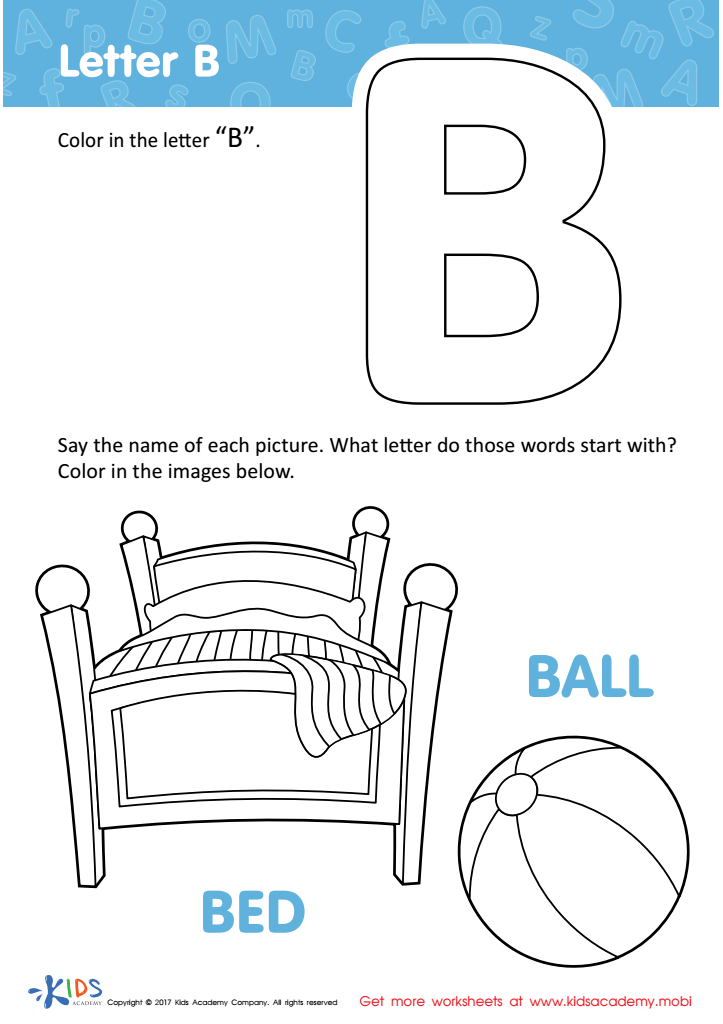
Letter B Coloring Sheet
Kids will love coloring this page that features things they like - balls, bubbles, bugs and bedtime - all words starting with "B"! It's a great way to introduce the alphabet and increase their exposure to letters and sounds. Let them have fun and learn at the same time!
Download (PDF)
 Assign to My Students
Assign to My Students
Letter B Coloring Sheet
Worksheet
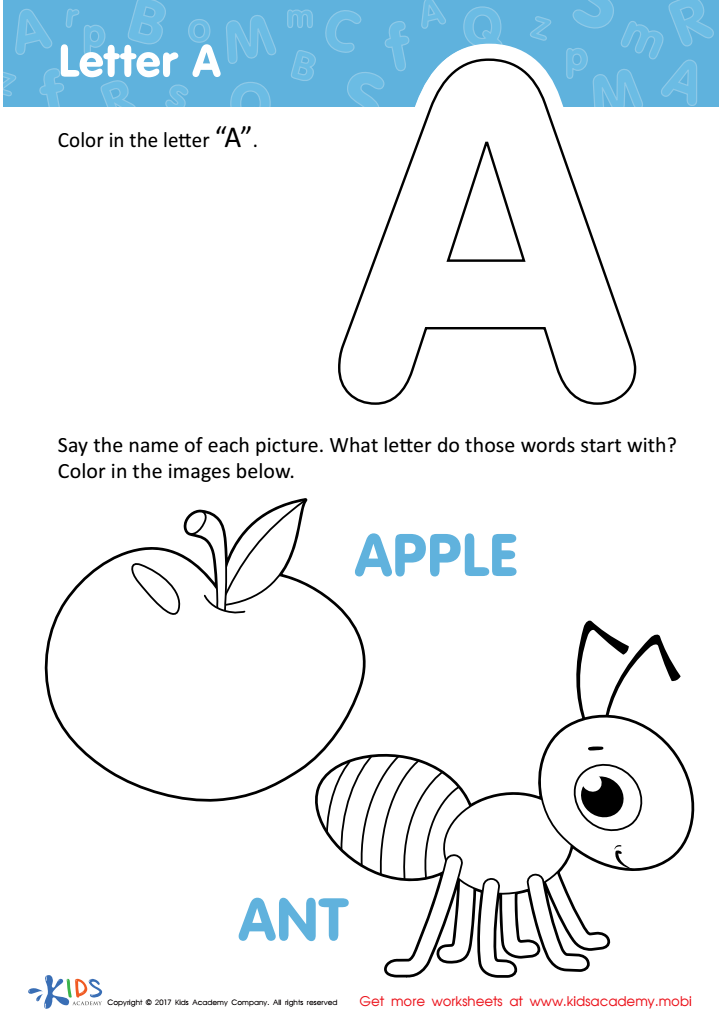
Letter A Coloring Sheet
This letter "A" coloring page is great for introducing kids to the alphabet! Let them exercise their creativity while they learn to recognize letters and sounds - it's a fun and easy way to help them get started.
Download (PDF)
Assign to My Students
Assign to My Students
Letter A Coloring Sheet
Worksheet
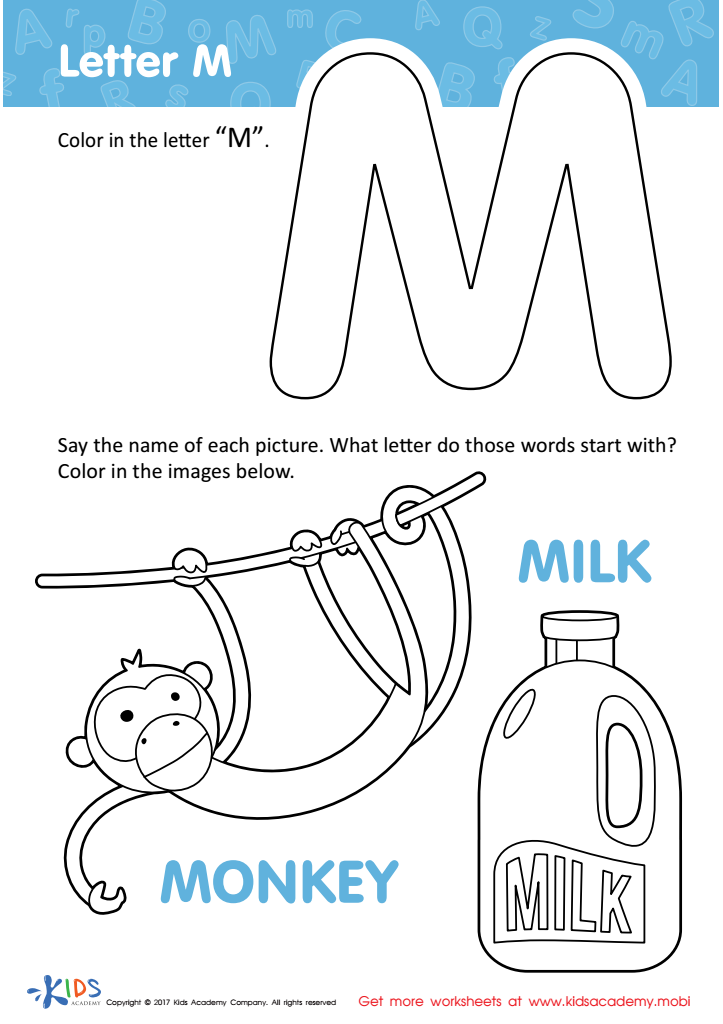
Letter M Coloring Sheet
Coloring this "M" page is fun and educational! Kids will enjoy the funny monkey and milk jug images, while learning to recognize the letter and all the words it makes.
Download (PDF)
Assign to My Students
Assign to My Students
Letter M Coloring Sheet
Worksheet
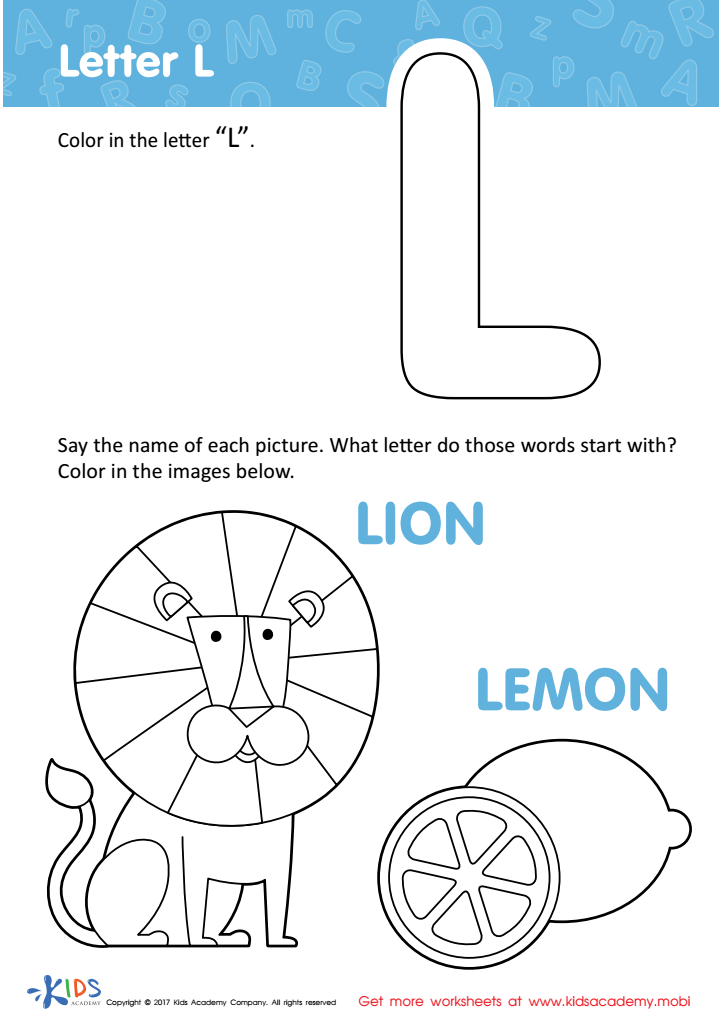
Letter L Coloring Sheet
Kids often struggle to say "L" and love it because so many things they love start with it! This coloring page combines the letter and fun images like a lemon and lion to teach and entertain!
Download (PDF)
Assign to My Students
Assign to My Students
Letter L Coloring Sheet
Worksheet
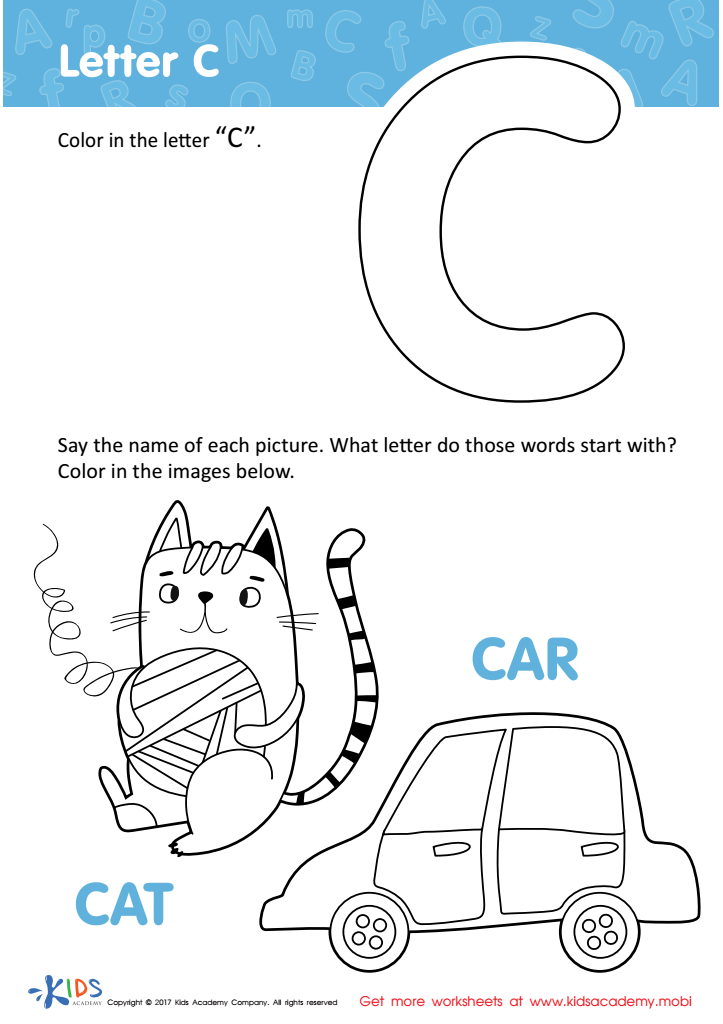
Letter C Coloring Sheet
Introduce kids to the letter 'C' with this fun coloring page! Exposing little ones to letters, words, and sounds helps them learn long before they can read. Start with simple words like 'cat' and 'car' - these are great first sight words for young children.
Download (PDF)
Assign to My Students
Assign to My Students
Letter C Coloring Sheet
Worksheet
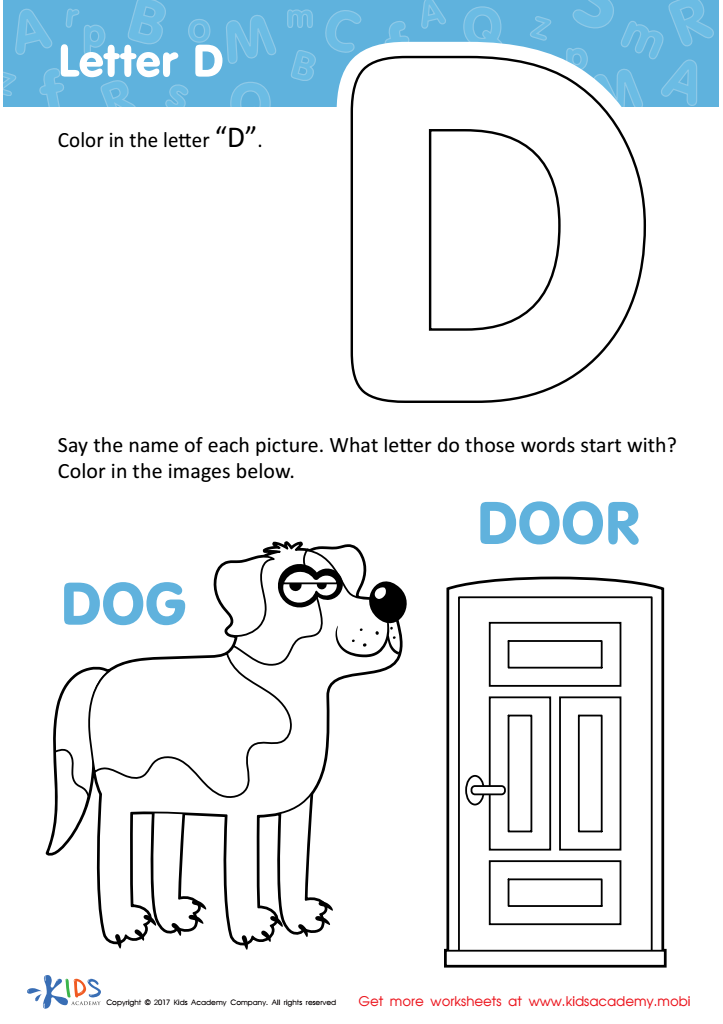
Letter D Coloring Sheet
Coloring with this letter "D" page is a great way to encourage your child's creativity while they learn the letter "D" and its sound. It's a fun activity to stimulate their imagination!
Download (PDF)
Assign to My Students
Assign to My Students
Letter D Coloring Sheet
Worksheet
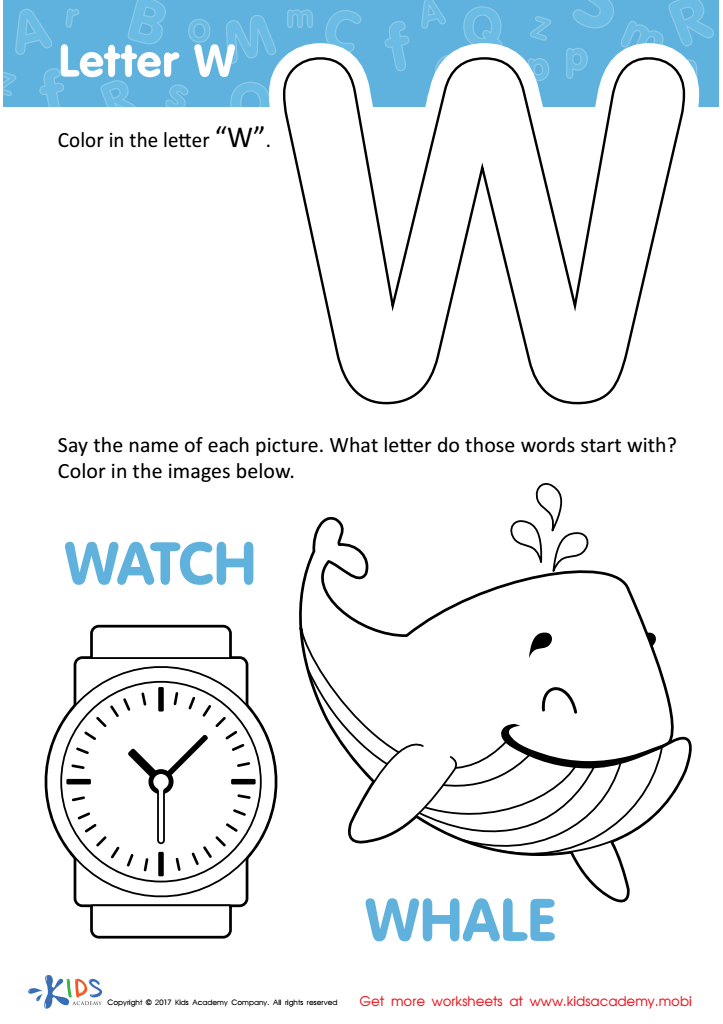
Letter W Coloring Sheet
Let your child have fun with this letter "W" coloring page! They can use their imagination to color the whale and discover the letter and its sound. Give them a helping hand to make it a whale of a time!
Download (PDF)
Assign to My Students
Assign to My Students
Letter W Coloring Sheet
Worksheet
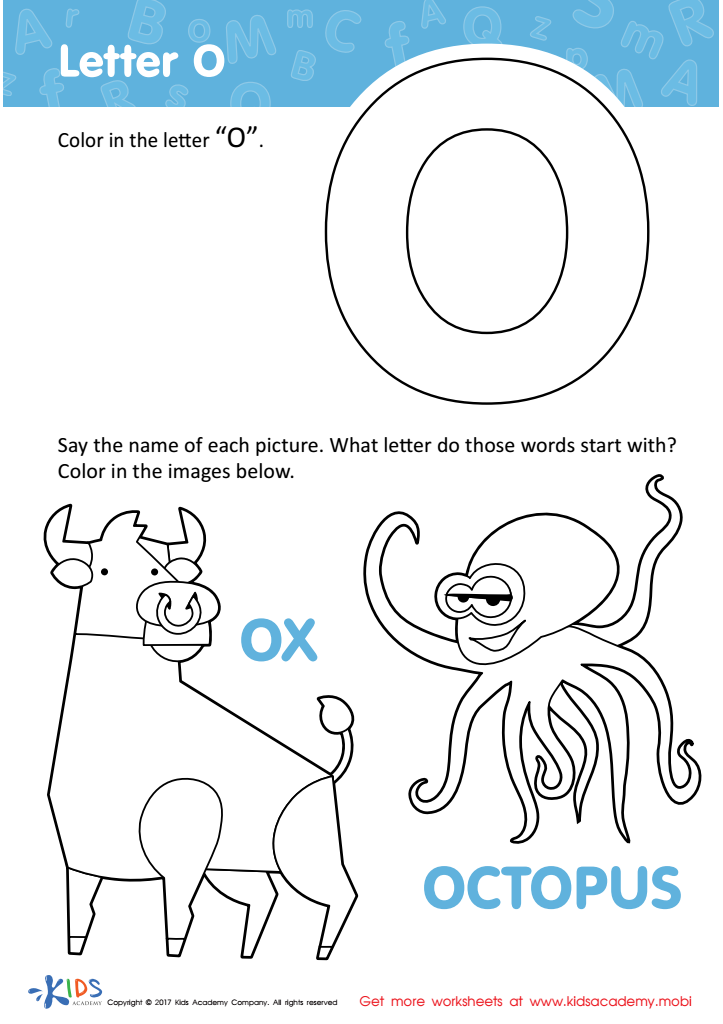
Letter O Coloring Sheet
Oh my! The letter "O" is so much fun. Coloring in the octopus and ox on this delightful letter "O" coloring page can help your child have fun while strengthening their recognition of the letter and sound.
Download (PDF)
Assign to My Students
Assign to My Students
Letter O Coloring Sheet
Worksheet
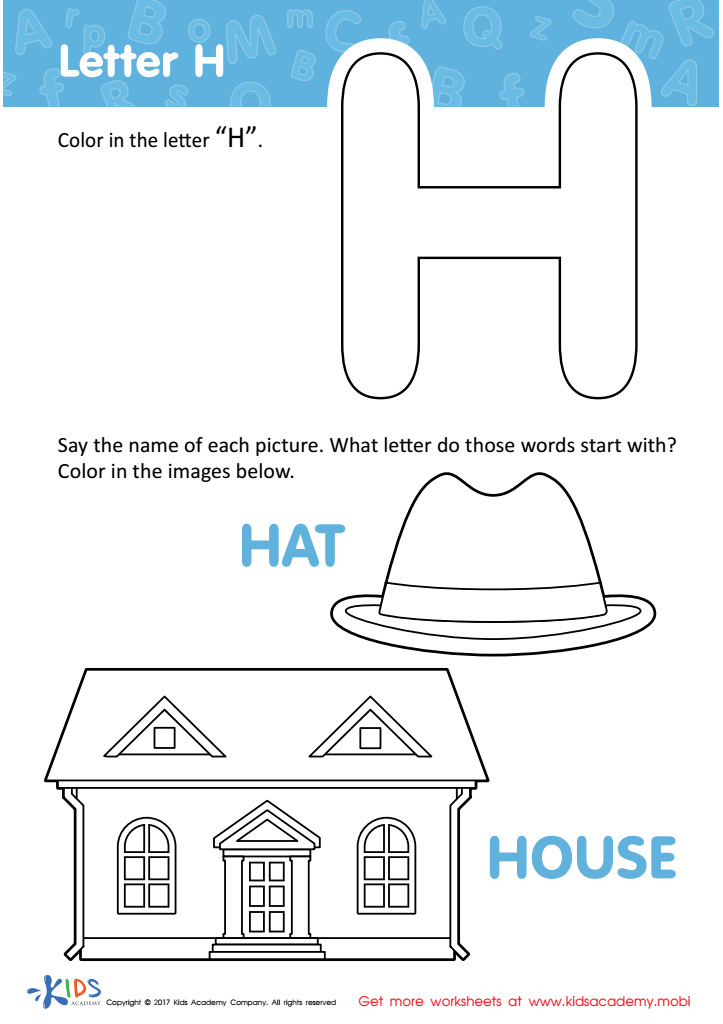
Letter H Coloring Sheet
This fun "H" coloring page will help your child recognize the letter and sound of "H"! With a hat and house to color, your little learner will have a blast picking colors and creating designs, all while learning about the letter "H"!
Download (PDF)
Assign to My Students
Assign to My Students
Letter H Coloring Sheet
Worksheet
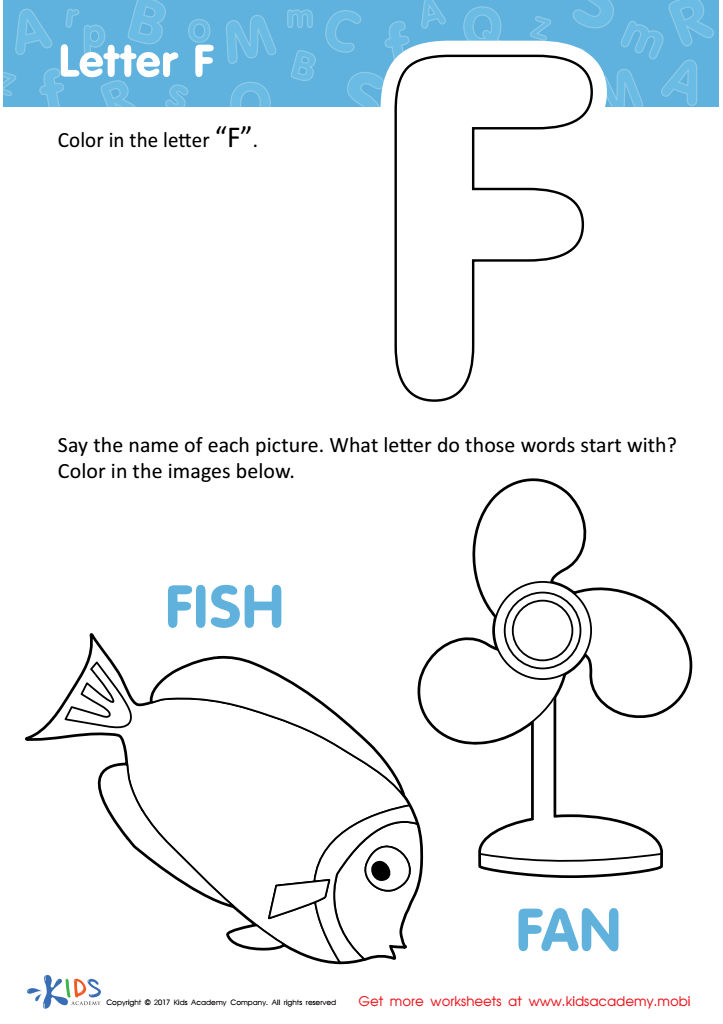
Letter F Coloring Sheet
Coloring pages help kids learn to recognize letters and sounds. Our "F" page has kids color a fish and a fan. It's a great way to introduce them to the letter "F" using words they already know.
Download (PDF)
Assign to My Students
Assign to My Students
Letter F Coloring Sheet
Worksheet
Join Kids Academy for Free
Who is primarily going to use this learning content?


Alphabet Recognition Normal Kindergarten ABC Coloring Pages serve as a fundamental educational tool for young learners and are crucial for both parents and teachers who are invested in early childhood education. These coloring pages offer a multitextural approach to learning, which can significantly enhance a child’s cognitive and motor skills development.
Firstly, they promote letter recognition, a critical pre-reading skill. Familiarity with letters and their sounds sets the foundation for literacy. Children who can recognize alphabet letters and associate them with sounds are better prepared for reading and writing activities as they progress to higher grades.
Secondly, these coloring pages make learning enjoyable and stress-free. Coloring is an engaging activity that children love; incorporating educational content like the alphabet into this activity makes learning seamless and fun. When kids enjoy the learning process, they are more likely to retain information.
Thirdly, coloring within the lines improves fine motor skills and hand-eye coordination, which are essential for writing. The act of coloring can also encourage creativity and self-expression, making learning a more personalized and enriching experience.
In summation, Alphabet Recognition Normal Kindergarten ABC Coloring Pages are an effective, enjoyable, and developmentally appropriate way for children to acquire foundational literacy skills, making them a valuable resource for both parents and teachers.