Writing practice Normal Kindergarten ABC Letters Worksheets
5 filtered results
Difficulty Level
Grade
Age
-
From - To
Subject
Activity
Standards
Our "Writing Practice Normal Kindergarten ABC Letters Worksheets" are designed to help young learners develop essential writing skills. Featuring clear letter formations, engaging activities, and plenty of practice space, these worksheets offer a fun and effective way for children to master the alphabet. Each sheet focuses on a specific letter, encouraging students to trace, write, and recognize both uppercase and lowercase versions. Ideal for classroom use or at-home learning, our worksheets support fine motor skills development and early literacy, laying a strong foundation for your child’s educational journey. Perfect for keeping preschoolers excited about writing and learning!
Favorites
With answer key
Interactive
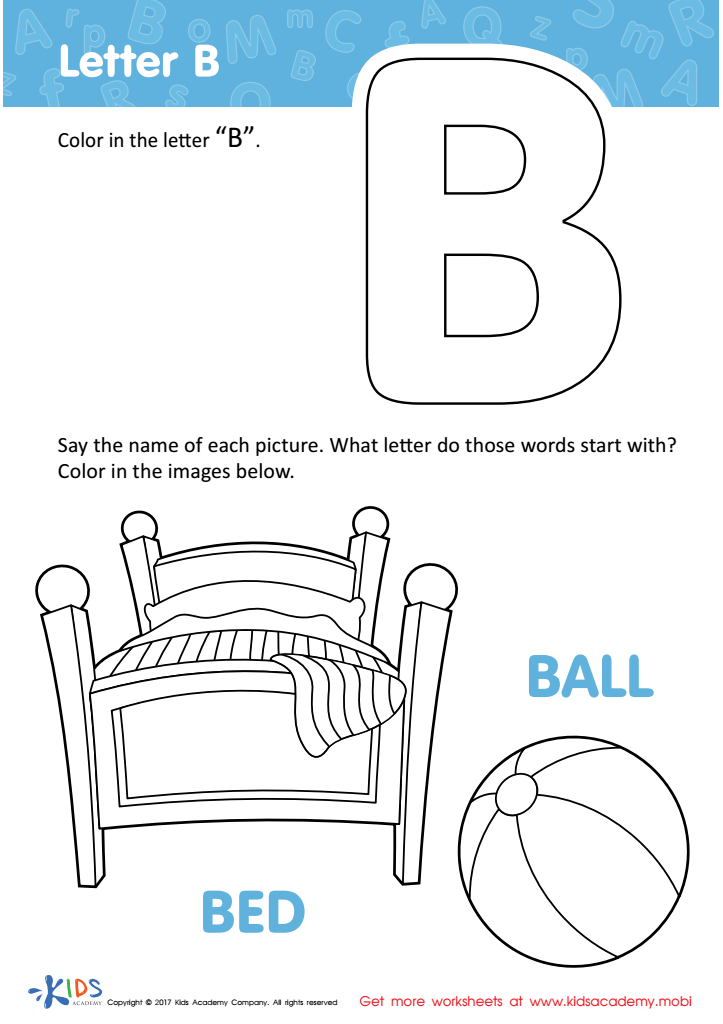
Letter B Coloring Sheet
Kids will love coloring this page that features things they like - balls, bubbles, bugs and bedtime - all words starting with "B"! It's a great way to introduce the alphabet and increase their exposure to letters and sounds. Let them have fun and learn at the same time!
Download (PDF)
 Assign to My Students
Assign to My Students
Letter B Coloring Sheet
Worksheet

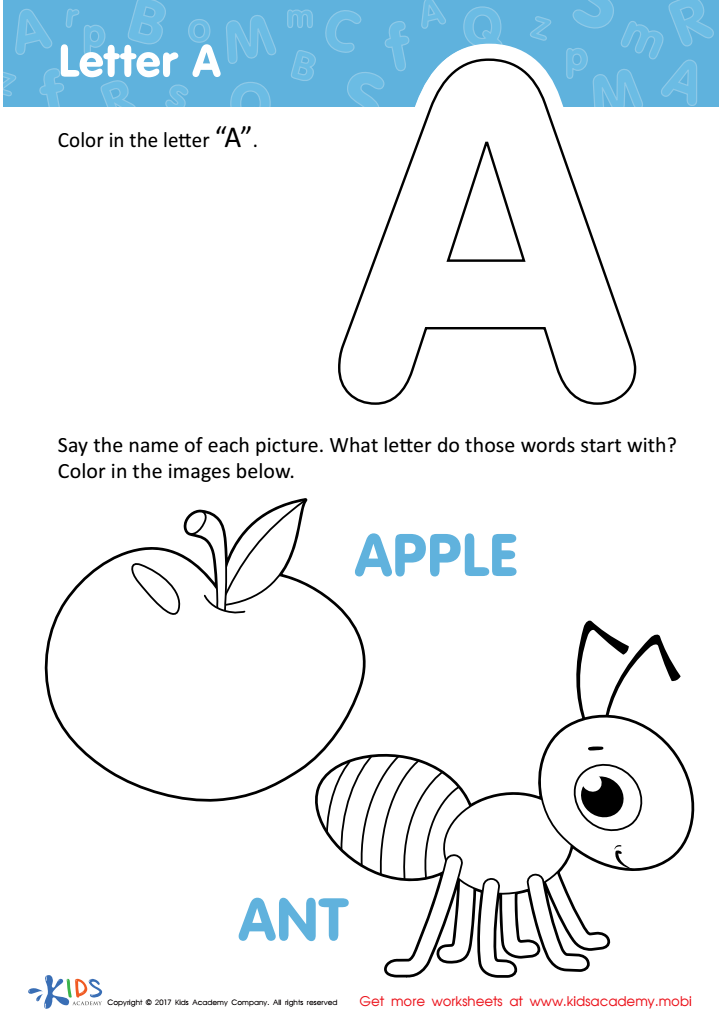
Letter A Coloring Sheet
This letter "A" coloring page is great for introducing kids to the alphabet! Let them exercise their creativity while they learn to recognize letters and sounds - it's a fun and easy way to help them get started.
Download (PDF)
Assign to My Students
Assign to My Students
Letter A Coloring Sheet
Worksheet

Letter H Tracing Page
Trace the letter "H", then practice writing its lowercase form. Finally, choose your favorite form of transport and ride away! Get our worksheets to make learning fun and easy.
Letter H Tracing Page
Worksheet
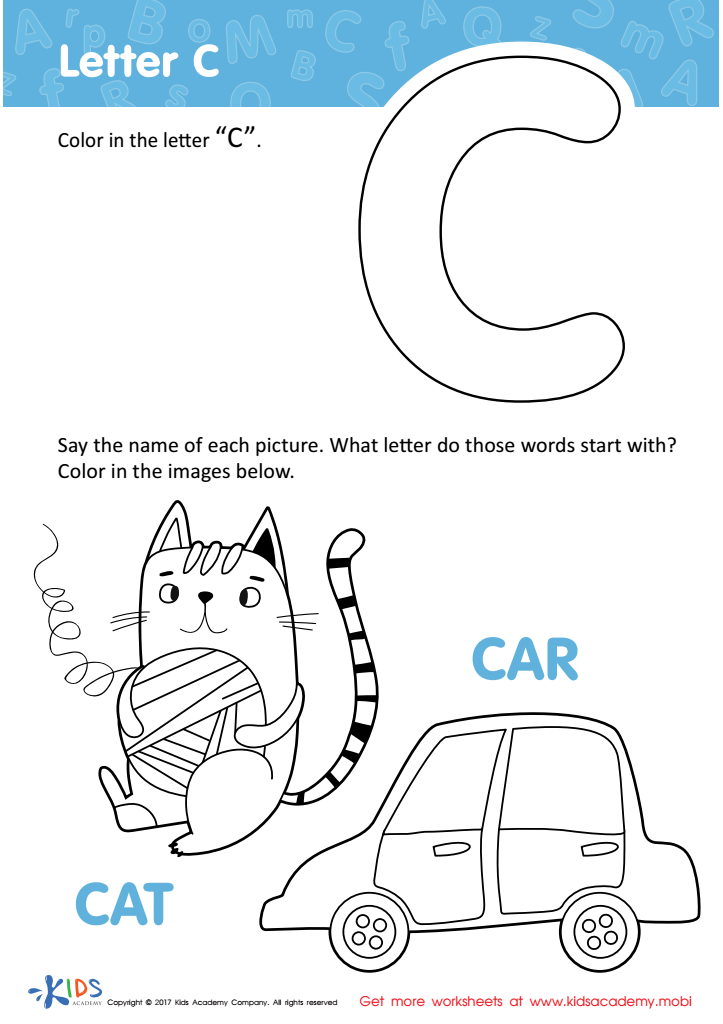
Letter C Coloring Sheet
Introduce kids to the letter 'C' with this fun coloring page! Exposing little ones to letters, words, and sounds helps them learn long before they can read. Start with simple words like 'cat' and 'car' - these are great first sight words for young children.
Download (PDF)
Assign to My Students
Assign to My Students
Letter C Coloring Sheet
Worksheet
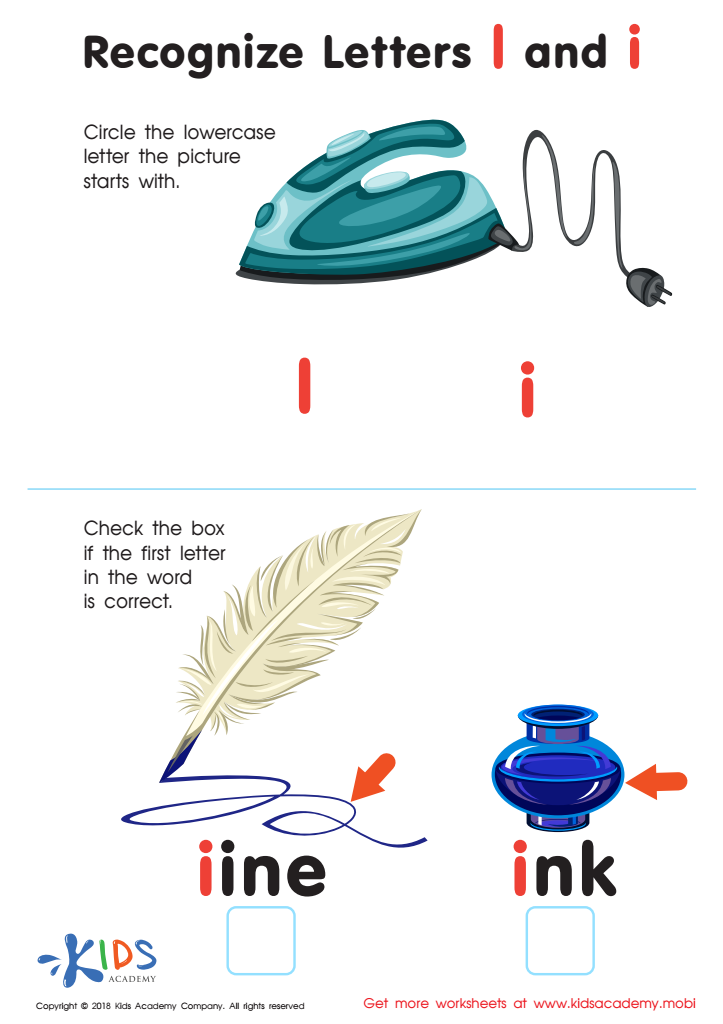
Recognize Letters l and i Worksheet
Help your child become familiar with uppercase and lowercase letters. Have them look at the pictures in the worksheet and circle the lowercase letter the picture starts with. For example: which one is the lowercase "i", the capital "I" or the small "i"?
Recognize Letters l and i Worksheet
Worksheet
Join Kids Academy for Free
Who is primarily going to use this learning content?








Parents and teachers should care about writing practice for normal kindergarten ABC letters because early literacy skills are foundational to a child's educational journey. At this developmental stage, children are rapidly acquiring the ability to recognize and reproduce the alphabet, which are the basic building blocks of reading and writing.
Writing practice helps children with fine motor skill development. As they learn to grip a pencil and form letters, their hand-eye coordination and muscle memory improve. These skills are crucial for both academic tasks, like writing sentences, and everyday activities, such as tying shoelaces.
Furthermore, writing letters enhances a child's understanding of letter-sound relationships (phonics). By practicing how to write each letter, children reinforce their recognition of individual letters and sounds, aiding in the development of reading fluency.
Encouraging this practice also nurtures a sense of achievement and confidence. Mastery of writing skills in kindergarten sets the stage for positive attitudes toward learning. Engagement and interest in literary activities during these early years can lead to better academic outcomes and foster a lifelong love of learning.
In summary, writing practice of ABC letters in kindergarten is pivotal in supporting fine motor skills, phonics, and self-confidence in young learners, establishing a strong foundation for future education.