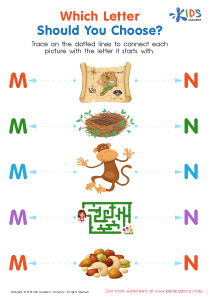
Letter-sound association Normal Kindergarten Alphabet Worksheets
5 filtered results
-
From - To
Explore our engaging Letter-Sound Association Kindergarten Worksheets designed to enhance early literacy skills! Perfect for nurturing young learners, these printable worksheets encourage children to connect letters with their corresponding sounds through fun activities and exercises. From matching games to imaginative challenges, each worksheet stimulates a child's creativity while building a strong foundation in phonics. Ideal for classroom or home use, our resources motivate kindergarteners to develop their reading and writing skills in a playful and interactive way. Start your child’s literacy journey today with our effective and enjoyable alphabet worksheets tailored for their growing minds!
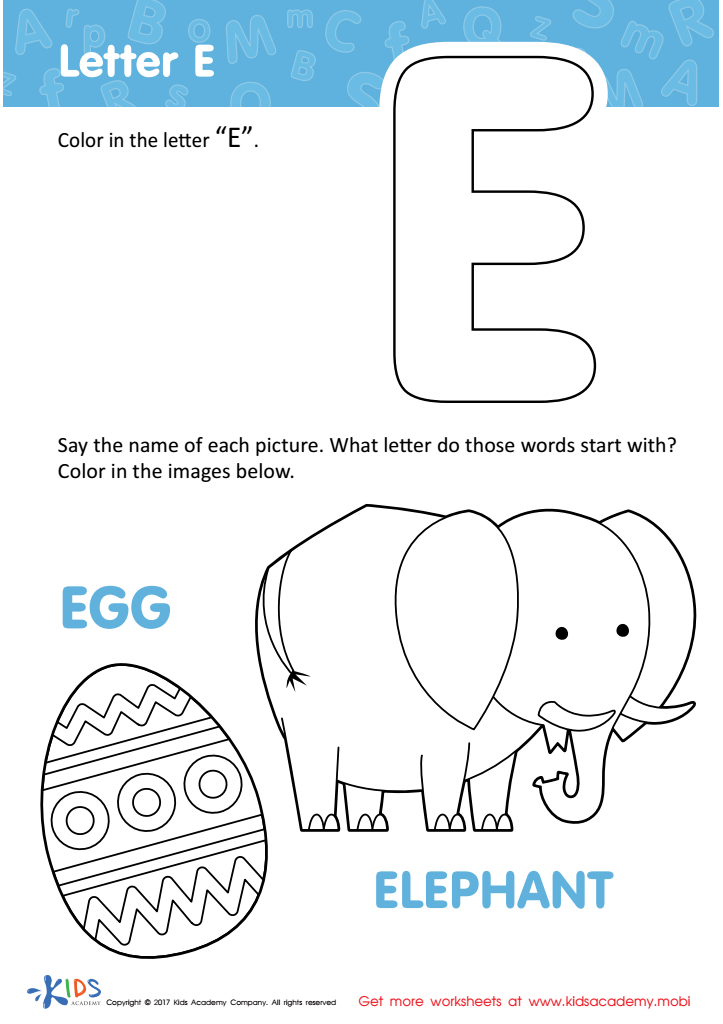
Letter E Coloring Sheet
 Assign to My Students
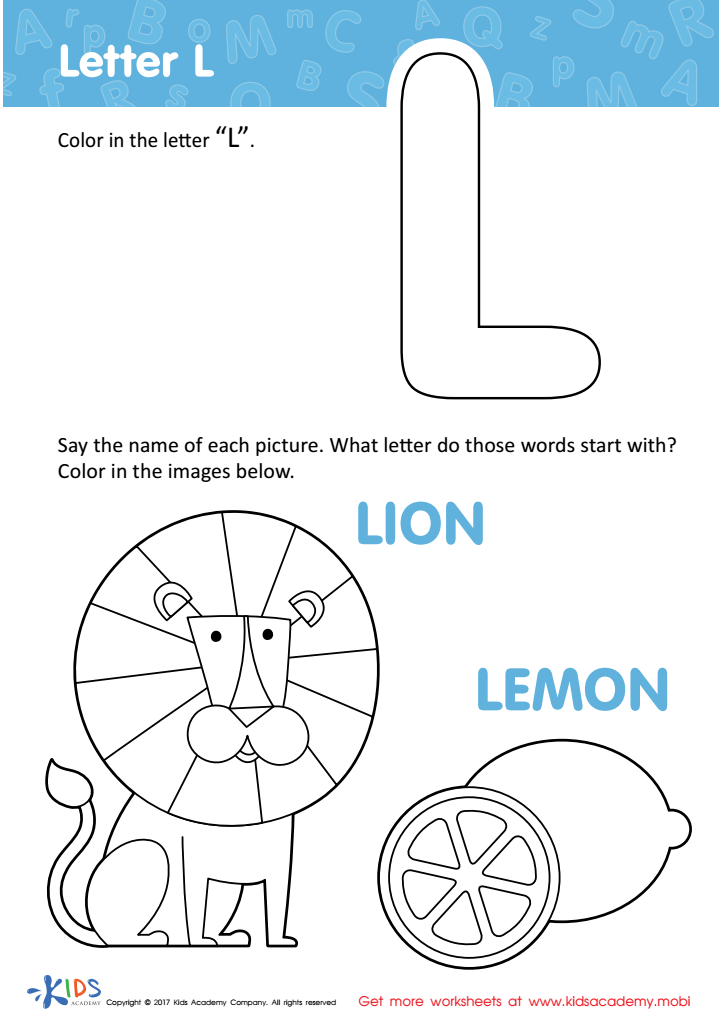
Letter L Coloring Sheet
Assign to My Students
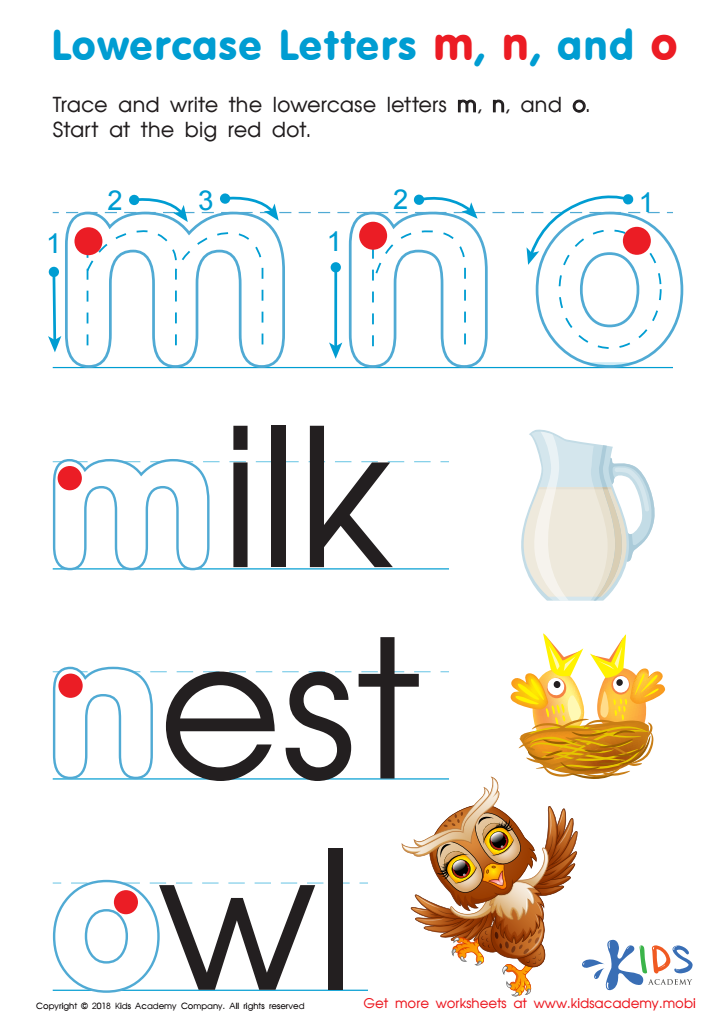
Lowercase Letters m n o Worksheet
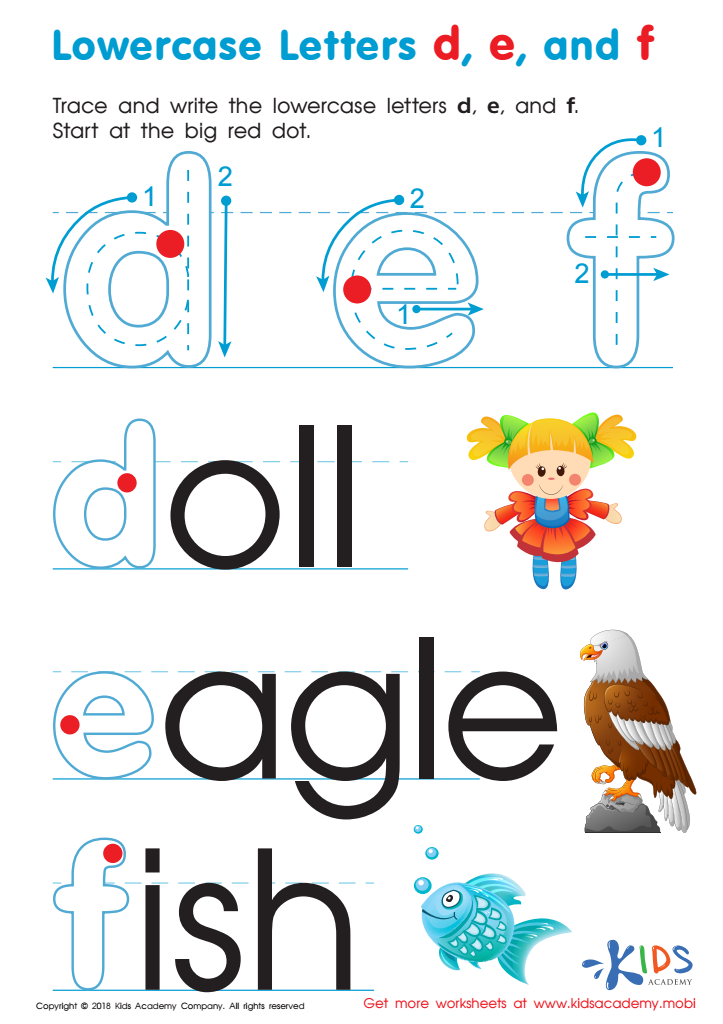
Lowercase Letters d e f Worksheet
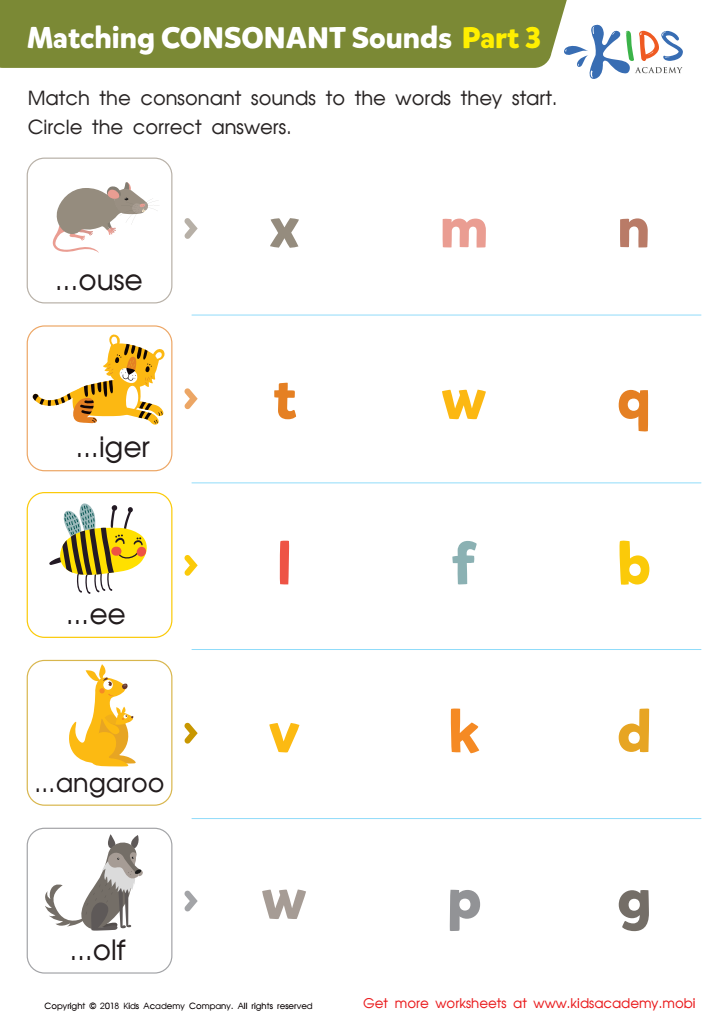
Matching Consonant Sounds: Part 3 Worksheet








Letter-sound association is a foundational skill in early literacy development that plays a crucial role in a child's reading and writing journey. For parents and teachers, understanding and nurturing this skill in kindergarten students is vital.
Firstly, recognizing the correlation between letters and their corresponding sounds allows children to decode written language. This is the beginning of reading fluency, enabling them to tackle texts independently. When students grasp letter-sound associations, they become more engaged and confident readers, paving the way for future academic success.
Moreover, letter-sound knowledge supports spelling. Children who can connect sounds to letters can transfer this understanding to writing, leading to greater accuracy in their spelling and composition skills. This not only boosts their literacy but also enhances their ability to express themselves effectively.
Additionally, early mastery of this skill lays the groundwork for phonemic awareness. Phonemic awareness is crucial for comprehending language, influencing vocabulary development and overall communication skills.
For teachers and parents, fostering letter-sound association through engaging activities, songs, and games is essential. By creating a supportive environment, they can instill a love of reading in children and set them on a path towards lifelong learning and curiosity.