Fine motor skills development Normal Kindergarten Letter Recognition Worksheets
3 filtered results
-
From - To
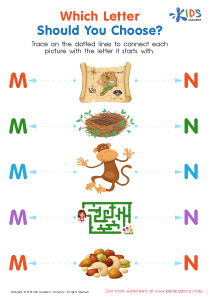
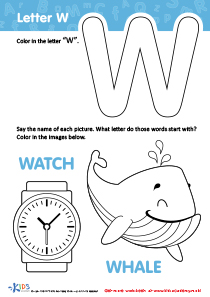
Discover our "Fine Motor Skills Development Normal Kindergarten Letter Recognition Worksheets" designed to enhance your child’s learning experience! These engaging worksheets combine letter recognition with fun fine motor activities, making learning enjoyable and effective. Carefully crafted for kindergarteners, these resources help children practice essential skills such as tracing, coloring, and connecting letters, all while developing their coordination and dexterity. Ideal for reinforcing alphabet knowledge, our worksheets support early literacy in a playful way. Encourage your little one’s growth with these valuable tools that pave the way for confident readers and writers. Start your journey to literacy success today!
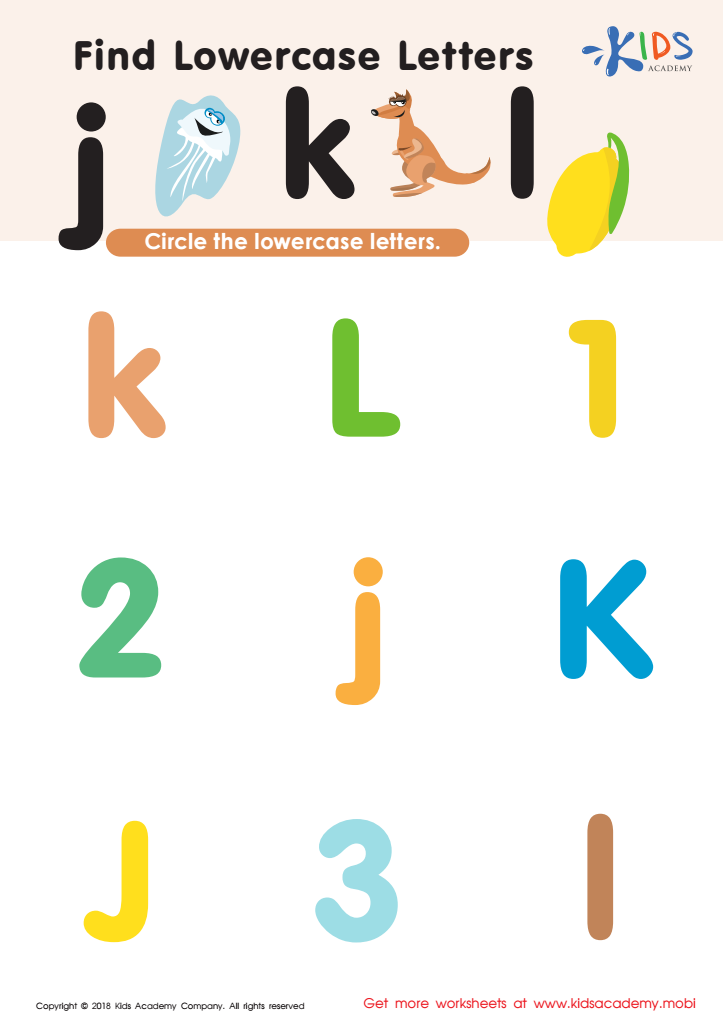
Find Lowercase Letters j k l Worksheet
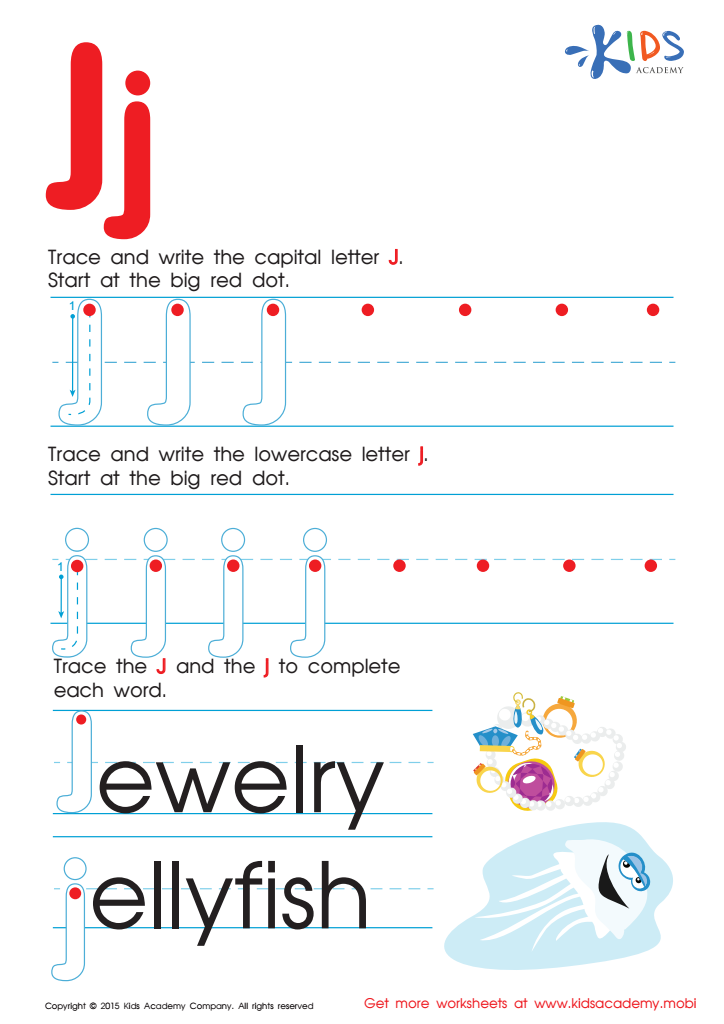
Letter J Tracing Page
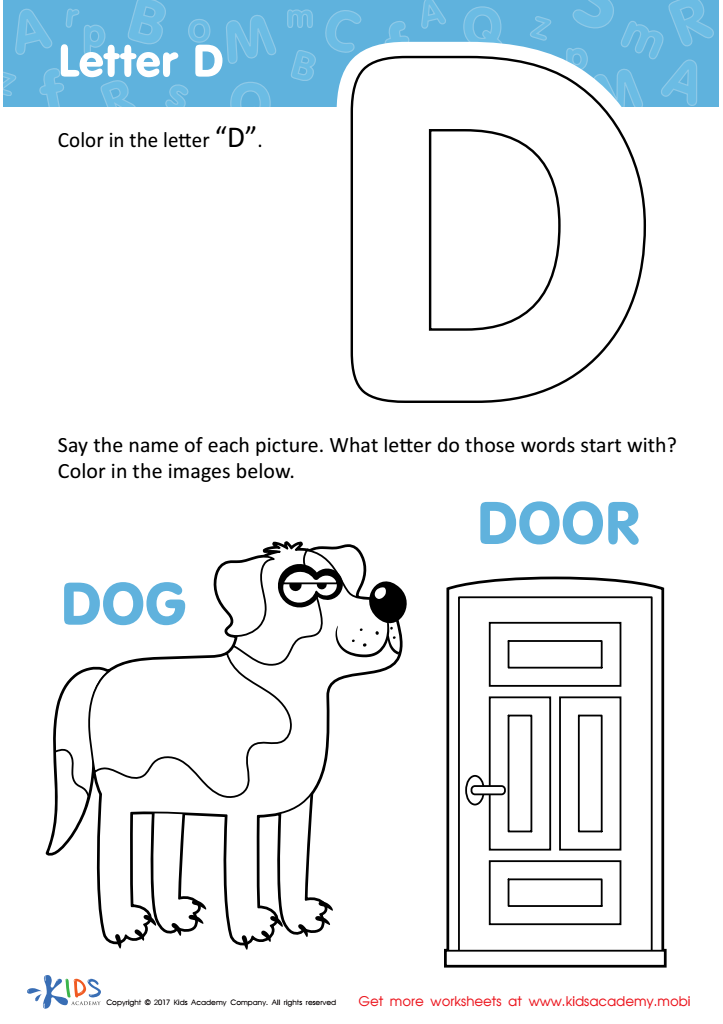
Letter D Coloring Sheet
 Assign to My Students






Fine motor skills development and letter recognition are crucial components of a child’s early learning and overall development. By the time children reach kindergarten, mastery of fine motor skills—such as grasping, cutting, and writing—plays a vital role in their ability to handle everyday tasks like using scissors or writing with a pencil. These skills contribute to a child’s confidence and independence, providing a foundation for successful learning experiences.
Moreover, letter recognition is key to literacy development. Being able to recognize and name letters is a critical step toward reading and writing. Children who can identify letters often show improved language skills and increased interest in books and storytelling. Fine motor skills aid in letter formation, and when combined with recognition, they help create a more integrated learning experience.
Parents and teachers must encourage the development of these skills through playful activities and engaging tasks. Providing opportunities for hands-on learning—like puzzles, arts and crafts, and writing exercises—will enhance both fine motor skills and literacy, setting children up for future academic success. By nurturing these abilities early on, adults can support a smoother educational journey for young learners.