Motor skills development Normal Kindergarten Letter Recognition Worksheets
3 filtered results
Difficulty Level
Grade
Age
-
From - To
Subject
Activity
Standards
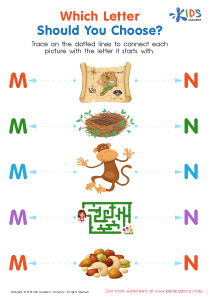
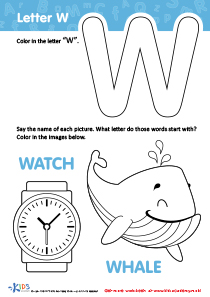
Enhance your child's learning journey with our expertly designed Motor Skills Development Normal Kindergarten Letter Recognition Worksheets. These engaging printables blend fun and educational elements to help children master letter recognition while simultaneously developing their fine motor skills. Our worksheets feature a variety of activities, from tracing and dot-to-dot games to creative drawing, ensuring kids stay motivated as they practice writing and identifying letters. Perfect for young learners, these resources support essential pre-reading skills, build hand-eye coordination, and foster confidence in letter recognition. Ideal for classroom or home use, empower your kindergartners today with our effective, skill-building worksheets.
Favorites
With answer key
Interactive
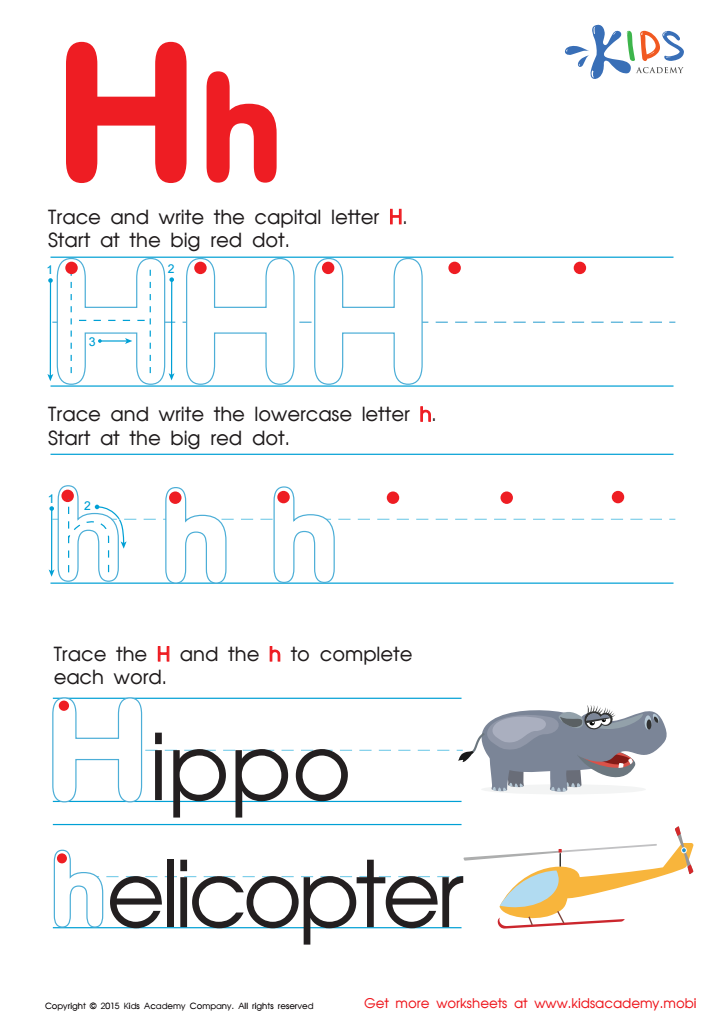
Letter H Tracing Page
Trace the letter "H", then practice writing its lowercase form. Finally, choose your favorite form of transport and ride away! Get our worksheets to make learning fun and easy.
Letter H Tracing Page
Worksheet
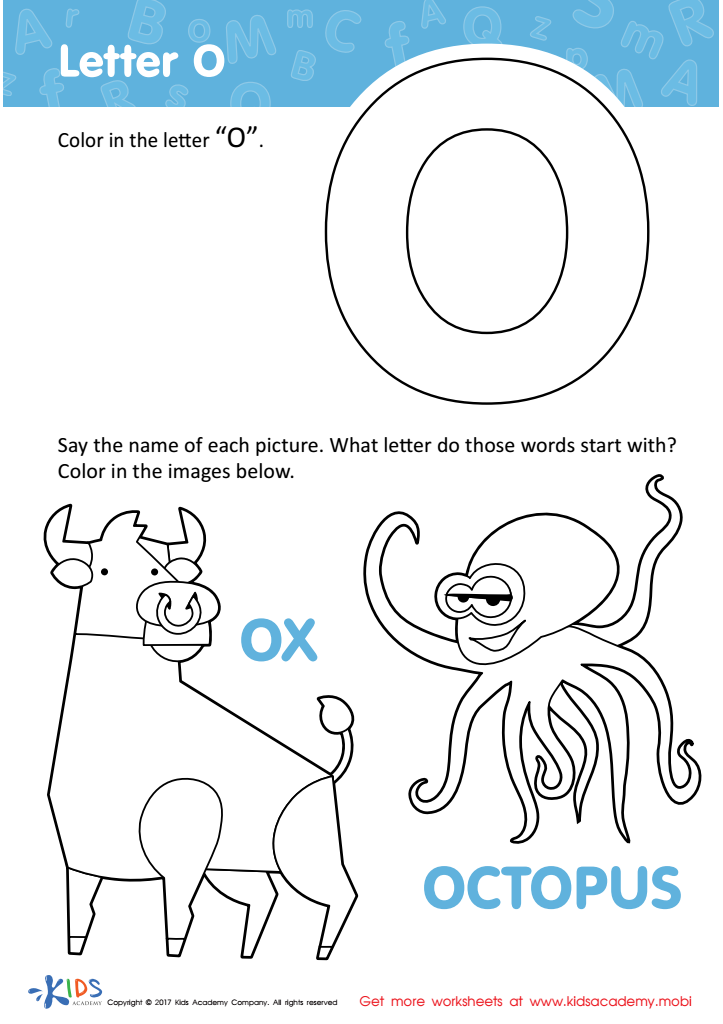
Letter O Coloring Sheet
Oh my! The letter "O" is so much fun. Coloring in the octopus and ox on this delightful letter "O" coloring page can help your child have fun while strengthening their recognition of the letter and sound.
Download (PDF)
 Assign to My Students
Assign to My Students
Letter O Coloring Sheet
Worksheet
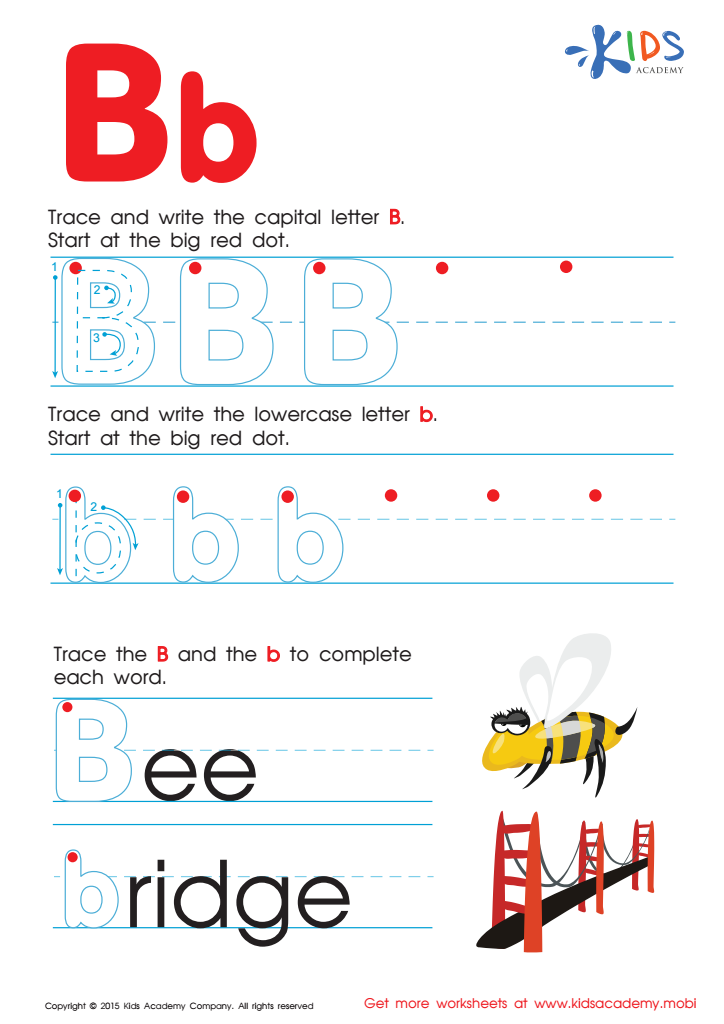
Letter B Tracing Page
Ready to learn the Alphabet? Put your pencil on the red dot and trace & write both capital & lowercase "B". Then have a look at the pictures. Catch the bee, cross the bridge & write the letters to complete the words. More ABC worksheets for kindergarten available!
Letter B Tracing Page
Worksheet
Join Kids Academy for Free
Who is primarily going to use this learning content?






Motor skills development and letter recognition in kindergarten are fundamental elements in early childhood education, directly impacting a child's academic and life skills. Fine motor skills, like hand-eye coordination and dexterity, are critical for holding a pencil, using scissors, and dressing independently. These skills lay the groundwork for writing, drawing, and other tasks that children will face as they advance in their schooling.
Letter recognition is the ability to identify and name the letters of the alphabet. This skill is a cornerstone of early literacy, providing the building blocks for reading and writing. When children can recognize letters, they can begin to understand the relationship between letters and sounds, which is essential for decoding words and developing phonemic awareness.
Investing in motor skills development and letter recognition in kindergarten ensures that children have a smooth transition into more complex academic skills. By honing these abilities early on, parents and teachers can help children build confidence, reduce frustration, and foster a love of learning. Consequently, these efforts contribute to better educational outcomes, as children with strong motor and letter recognition skills are more likely to excel in school, develop strong reading habits, and achieve overall academic success. Inadequate development in these areas can lead to challenges not just in academics but also in daily life activities, thus emphasizing their importance.