Uppercase identification Normal Kindergarten Letter Recognition Worksheets
5 filtered results
-
From - To
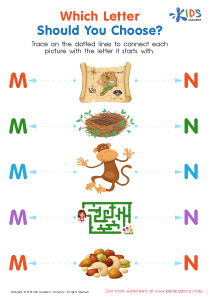
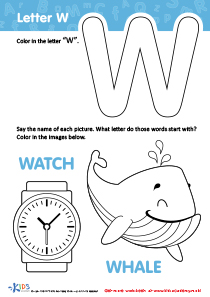
Enhance your kindergarteners' alphabet mastery with our engaging Uppercase Identification Normal Letter Recognition Worksheets! Designed specifically for young learners, these worksheets feature vibrant visuals and interactive activities to help children recognize and differentiate uppercase letters effortlessly. Each worksheet provides a variety of exercises, from tracing to matching, that align with early literacy standards. Perfect for both classroom and home use, these resources support teachers and parents in fostering essential letter recognition skills. Build your child's confidence in reading and writing with our fun, educational materials that make learning the alphabet an enjoyable adventure! Visit our website to explore and download today!
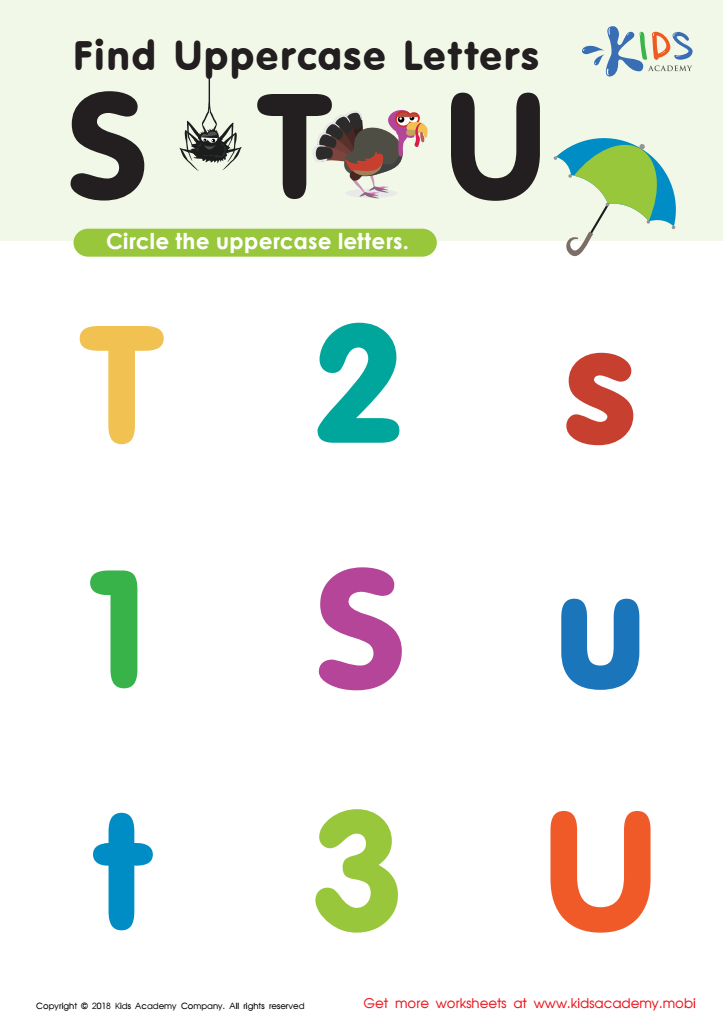
Find Uppercase Letters Worksheet
 Assign to My Students
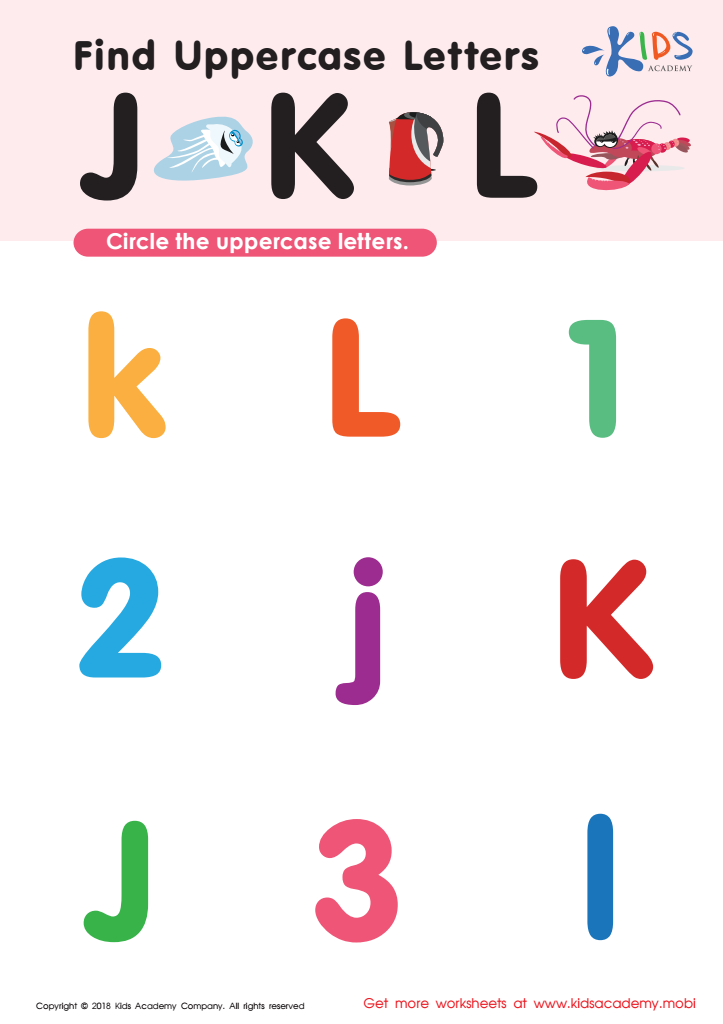
Find Uppercase Letters J, K, and L Worksheet
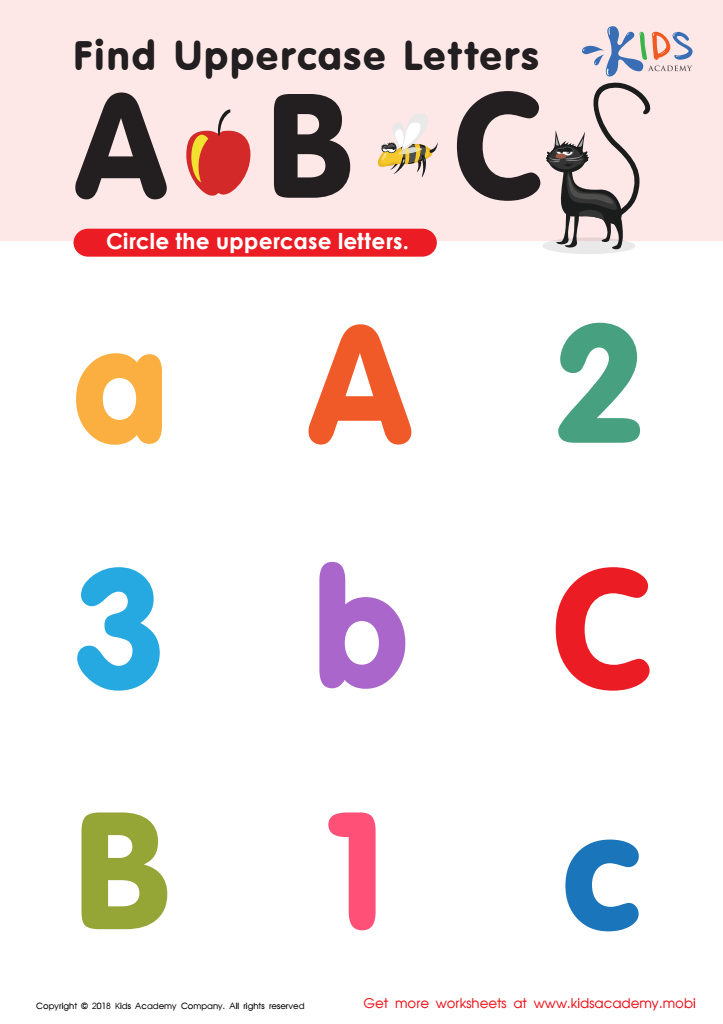
Find Uppercase Letters A, B, and C Worksheet
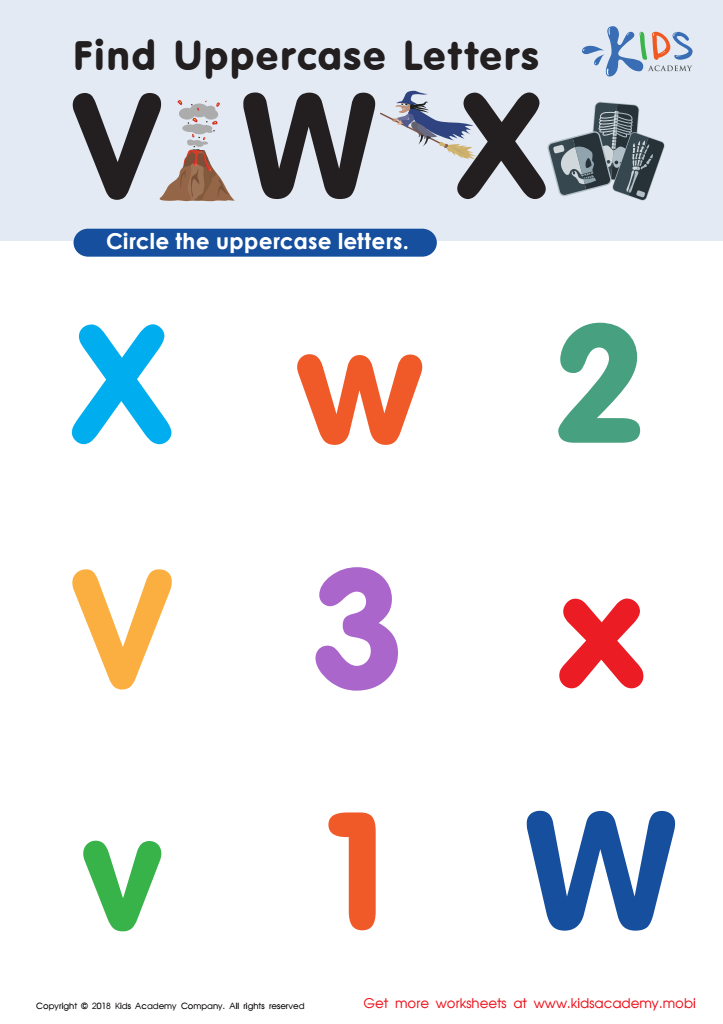
Find Uppercase Letters V, W, X Worksheet
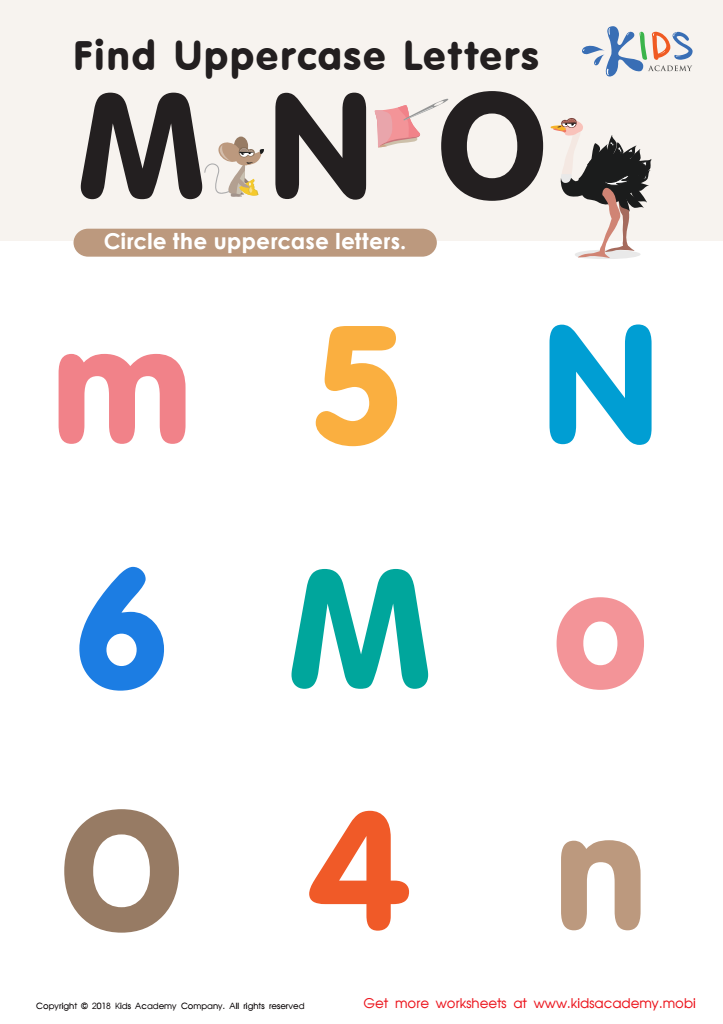
Find Uppercase Letters M, N, and O Worksheet






Uppercase letter recognition is a foundational skill in early childhood education and plays a critical role in literacy development. For parents and teachers, understanding why this skill matters is essential to supporting children’s learning.
First, recognizing uppercase letters is crucial as it helps children decipher written text. Uppercase letters often signal the start of sentences and important names, enhancing comprehension. When children can quickly identify upper and lower case letters, they build a strong foundation for reading and writing.
Additionally, preschool and kindergarten are pivotal years for developing language skills. During this time, students often encounter uppercase letters more frequently in books and signs. By focusing on uppercase identification, educators and caregivers can create engaging and meaningful learning opportunities, which makes learning enjoyable and effective.
Furthermore, mastering uppercase letter recognition boosts children's confidence, making them more willing to partake in reading activities. This confidence is fundamental to fostering a love for learning and literacy, which is vital as they progress through their education.
In conclusion, prioritizing uppercase letter recognition in early education provides children with essential skills that empower their future reading, writing, and overall academic success. Therefore, both parents and teachers should actively support this goal.