Motor skills development Normal Kindergarten English for Beginners Worksheets
3 filtered results
-
From - To
Discover our comprehensive collection of Motor Skills Development worksheets designed specifically for Kindergarteners learning English as a second language. These engaging activities help young learners enhance their fine and gross motor skills through fun tasks such as tracing, cutting, and interactive games. Our worksheets promote hand-eye coordination, dexterity, and confidence while introducing essential vocabulary and language concepts. Perfect for homeschooling or classroom use, these resources cater to diverse learning needs and styles. Support your child's growth and help them master motor skills with our easy-to-use, print-friendly worksheets. Unlock your child's potential and make learning enjoyable!

Letter H Tracing Page
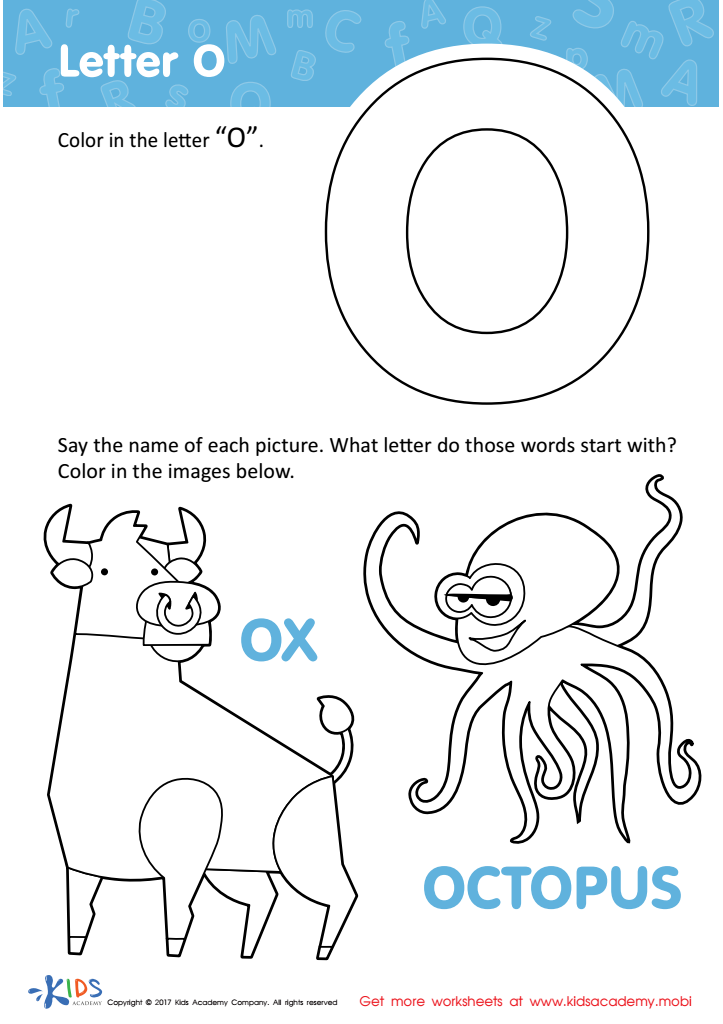
Letter O Coloring Sheet
 Assign to My Students
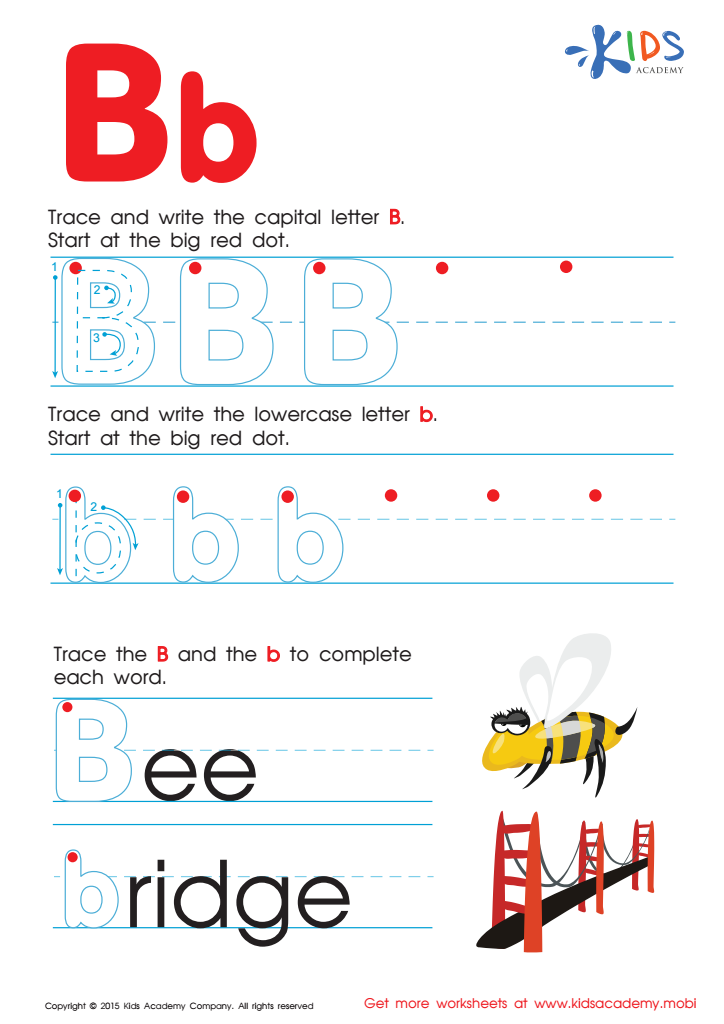
Letter B Tracing Page



Motor skills development is very important for young children, especially in kindergarten. These skills help kids learn how to move their bodies and control their movements. There are two types of motor skills: gross motor skills and fine motor skills. Gross motor skills involve larger movements, like running, jumping, and climbing. Fine motor skills involve smaller actions, like using scissors, drawing, and writing.
Caring about motor skills development is essential for parents and teachers because these skills lay the foundation for many everyday activities. For example, children need fine motor skills to hold a pencil and create letters, which is important for learning to write. Gross motor skills help children play games, engage in sports, and stay active, which is vital for their overall health.
When motor skills develop well, children gain confidence in their abilities, making it easier for them to learn new things. They also interact better with their peers since they can participate in group games and activities. By supporting motor skills development, parents and teachers help children feel happy, confident, and ready to learn, which benefits their academic success and social skills in kindergarten and beyond.