Animal recognition Normal Kindergarten Worksheets
11 filtered results
-
From - To
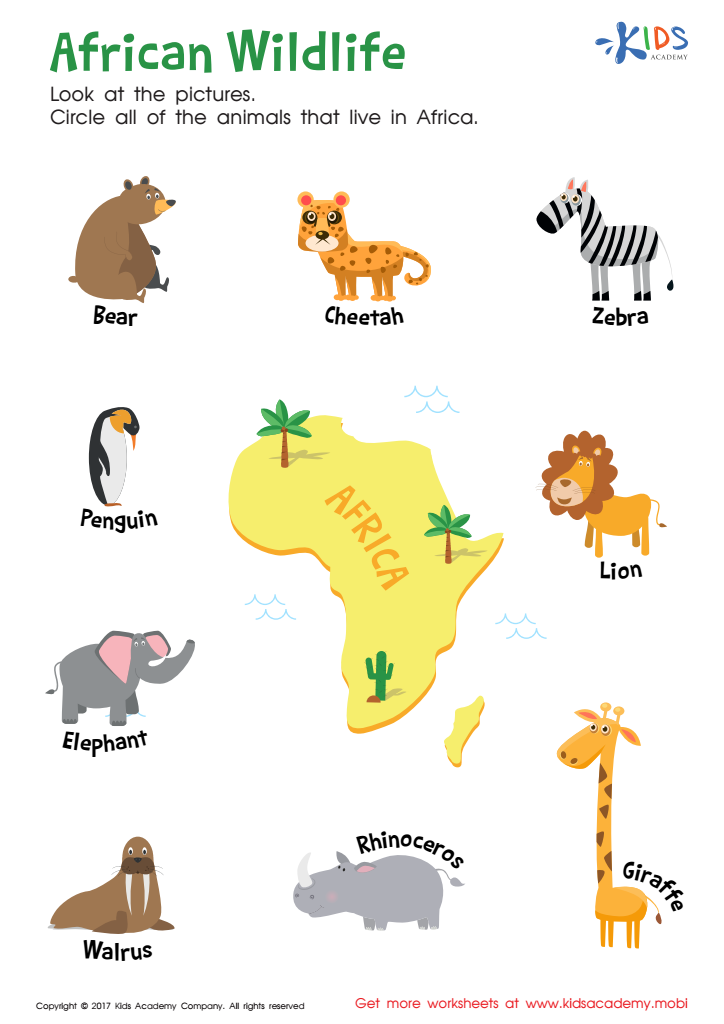
Discover a fun and engaging way for young learners to develop their animal recognition skills with our Normal Kindergarten Worksheets at Kids Academy. This collection offers a variety of colorful and interactive exercises designed specifically for kindergarteners to help them identify and name different animals. Each worksheet is crafted to promote cognitive development and reinforce learning through matching, coloring, and creative activities. Perfect for both classroom and home use, these worksheets provide an excellent foundation in animal recognition while supporting critical thinking and observational skills in a fun and educational manner. Download and print today!
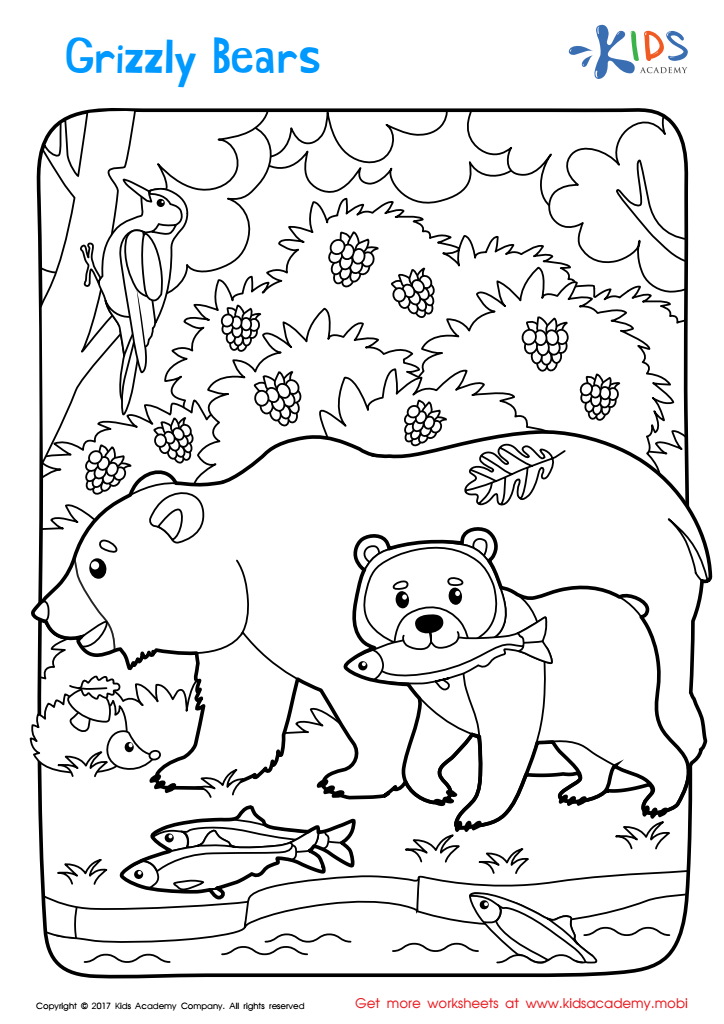
Free Printable Grizzly Bear Coloring Page
 Assign to My Students
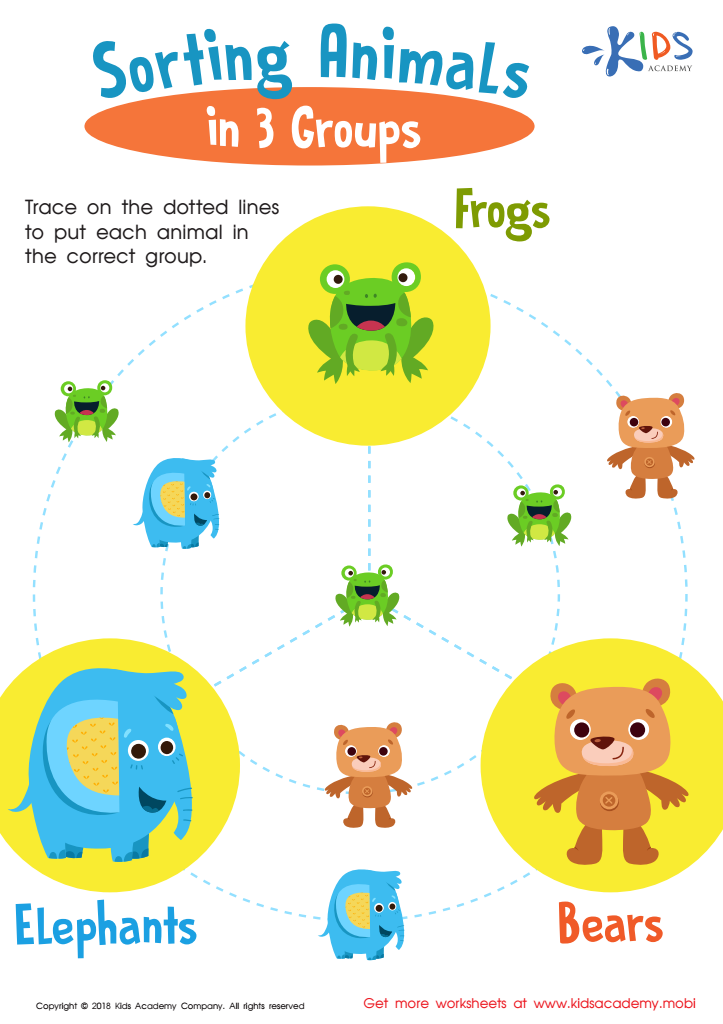
Sorting Animals in 3 Groups Worksheet
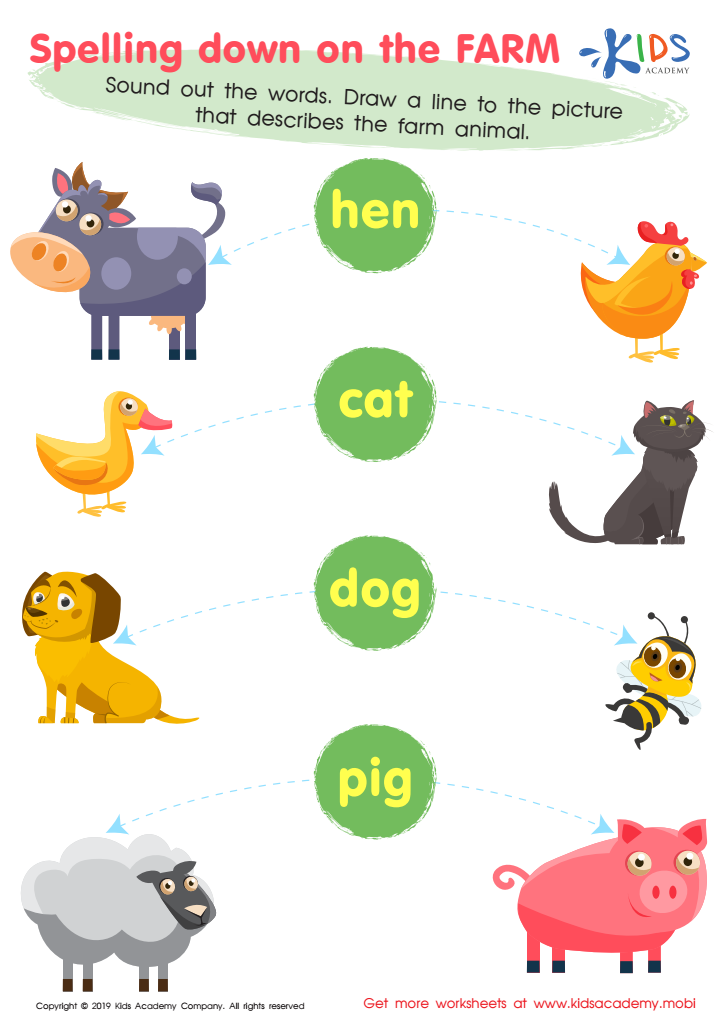
Spelling Down on the Farm Worksheet
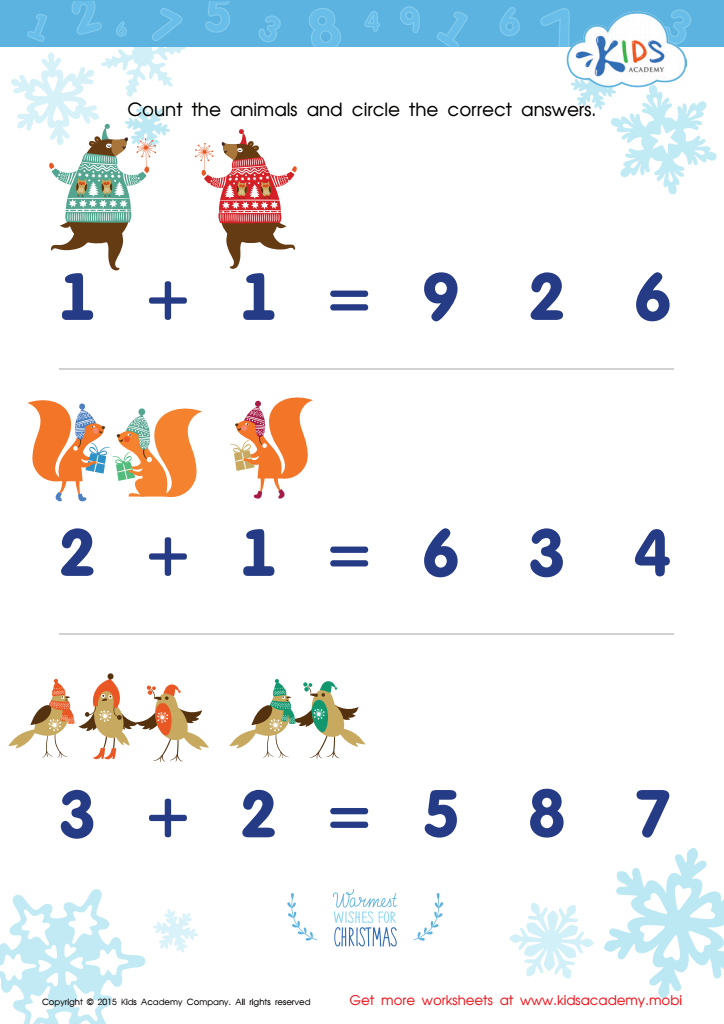
Count Funny Animals Worksheet
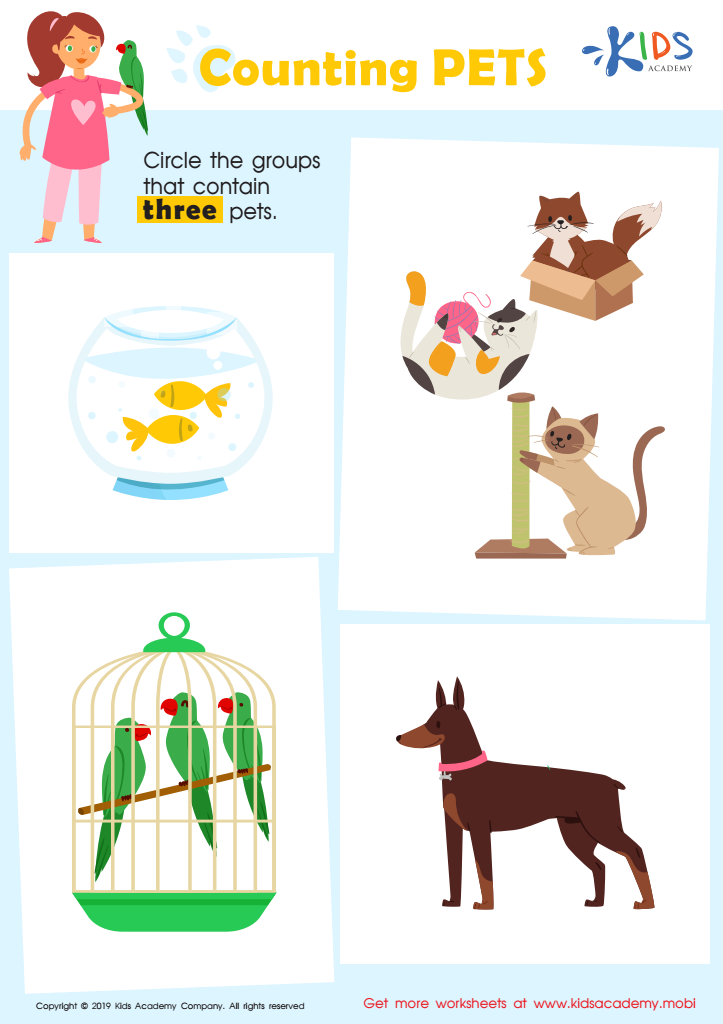
Counting Pets Worksheet
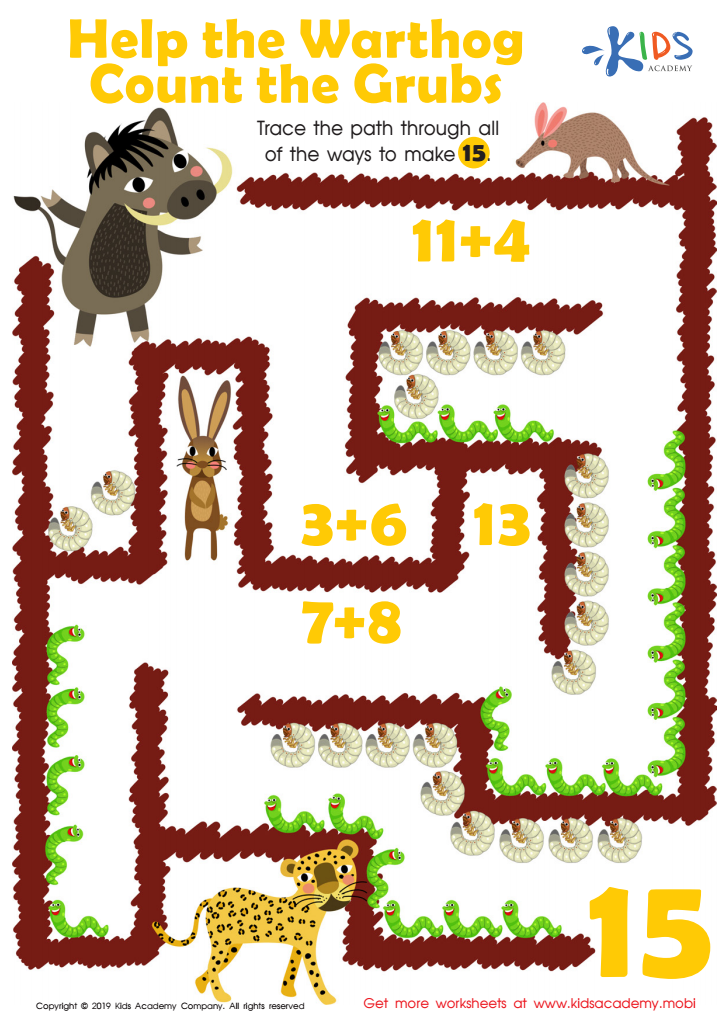
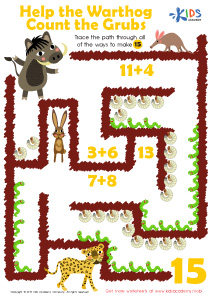
Help the Warthog Count the Grubs Worksheet
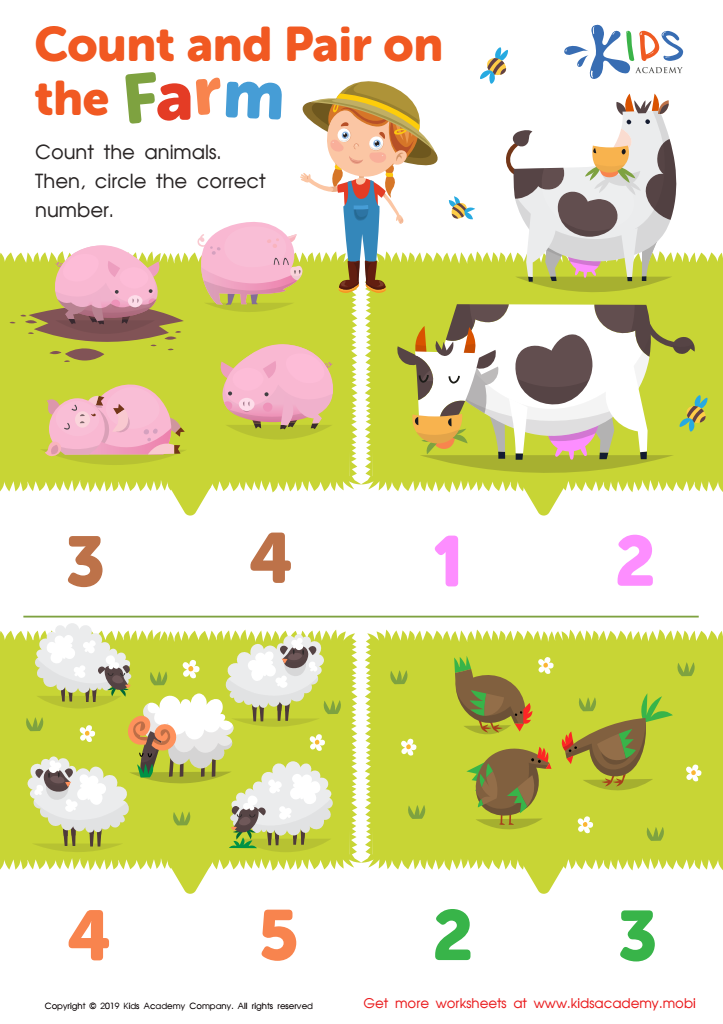
Count and Pair on the Farm Worksheet
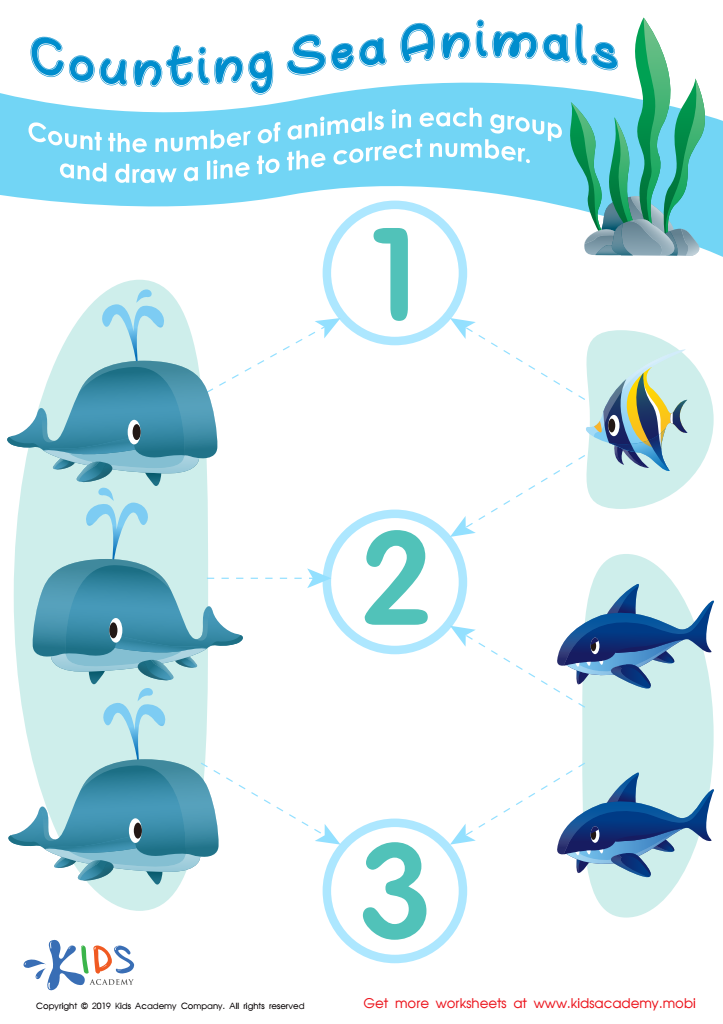
Counting Sea Animals Worksheet
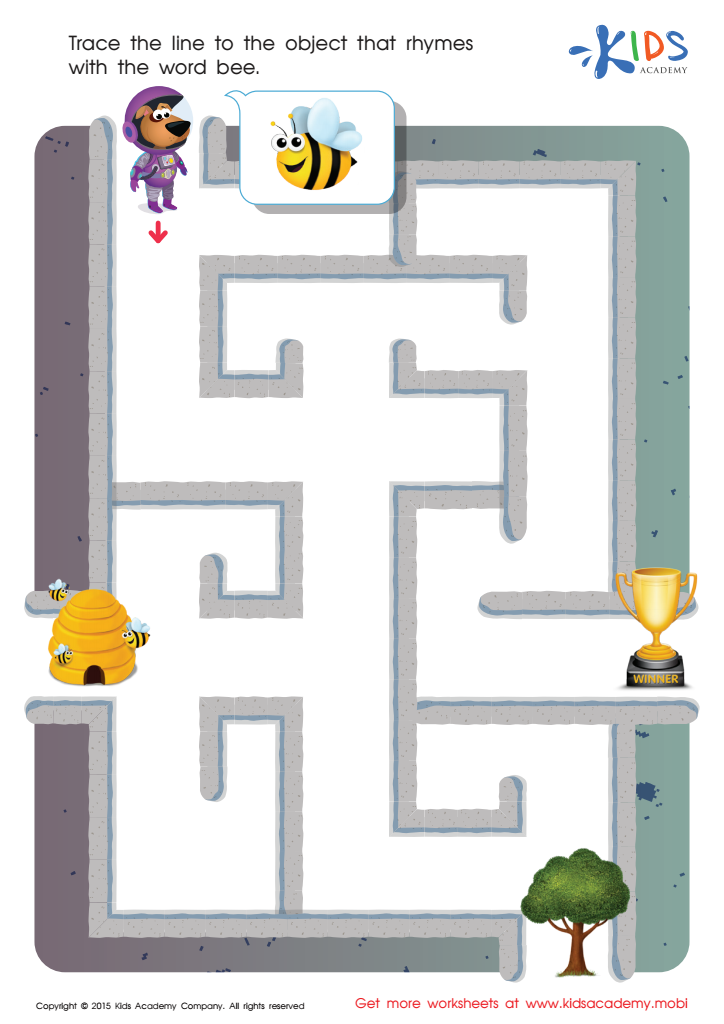
Bee Rhyming Words Worksheet
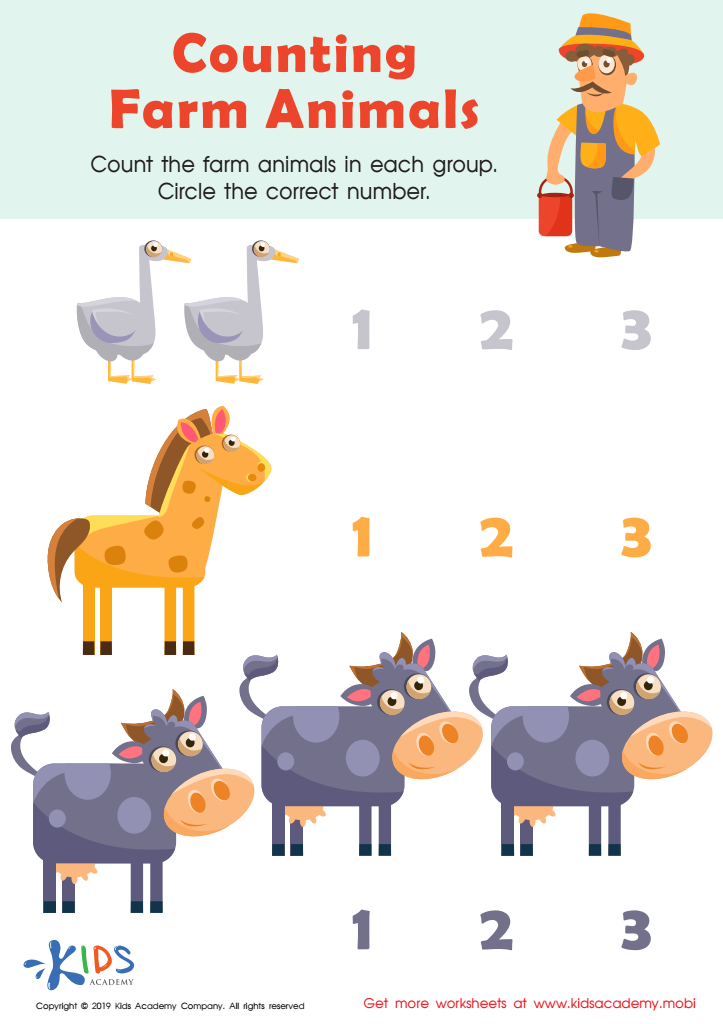
Counting Farm Animals Worksheet




.jpg)
.jpg)

Parents and teachers should care about animal recognition for kindergarteners because it plays a crucial role in early childhood development and education. At this formative stage, children are naturally curious about the world around them. Learning to identify animals helps satisfy and nurture this curiosity, fostering a love for learning.
Animal recognition teaches children essential cognitive skills, such as observation and comparison, which are foundational for more complex scientific thinking. It also enhances vocabulary as children learn the names and characteristics of various animals. Furthermore, understanding differences between animals promotes critical thinking and categorization skills.
Socially, discussing animals can encourage children to communicate, share their knowledge, and collaborate with peers. Emotionally, animals often invoke feelings of empathy and compassion, helping children to develop care and respect for living creatures and, by extension, for others around them.
From an educational perspective, knowledge of animals ties into numerous subjects like biology, geography, and even art. For instance, learning about diverse habitats around the world helps children understand global diversity.
Ultimately, fostering animal recognition in kindergarteners lays a holistic foundation for personal development, academic growth, and creating socially aware, empathetic individuals. Thus, this aspect of early education is a vital investment in their overall future.