Fine motor skills development Normal Kindergarten Worksheets
5 filtered results
-
From - To
Discover an extensive collection of Fine Motor Skills Development Worksheets tailored for Kindergarten students. Our printable resources are designed to enhance essential skills through engaging and structured activities. These worksheets focus on activities that promote hand-eye coordination, dexterity, and coordination, crucial for young learners as they refine their writing and self-care abilities. Each worksheet features age-appropriate exercises that make learning fun and interactive, ensuring children stay motivated. Perfect for both home and classroom settings, these fine motor skills worksheets are a valuable tool in supporting your child's developmental journey. Explore our website and boost your child’s readiness for future academic success!

I Stands High Worksheet
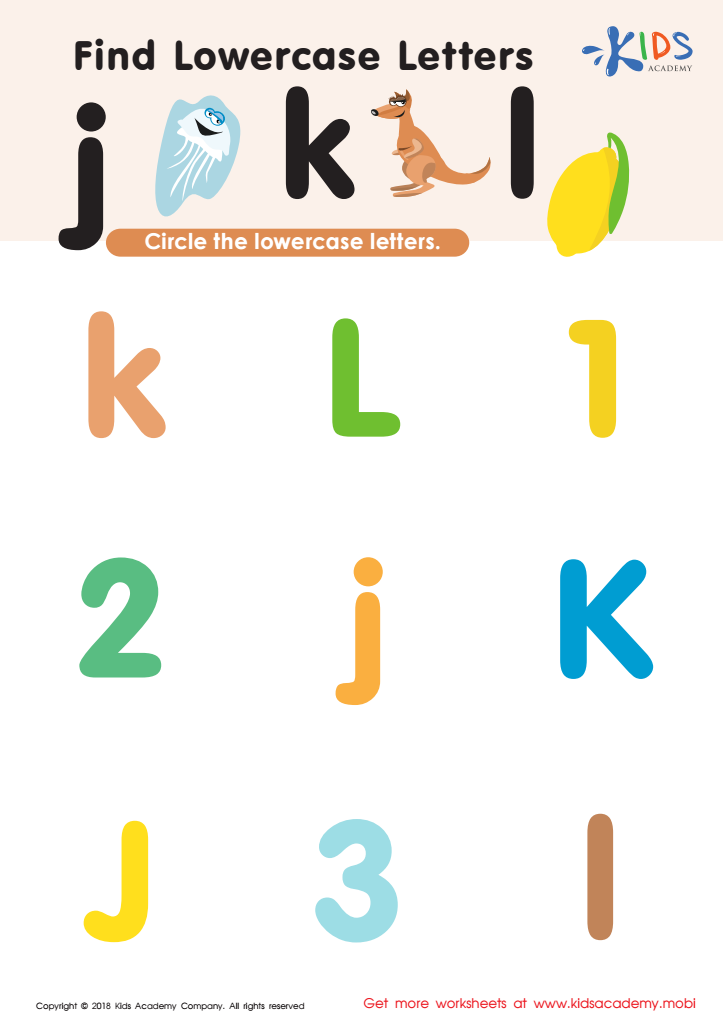
Find Lowercase Letters j k l Worksheet
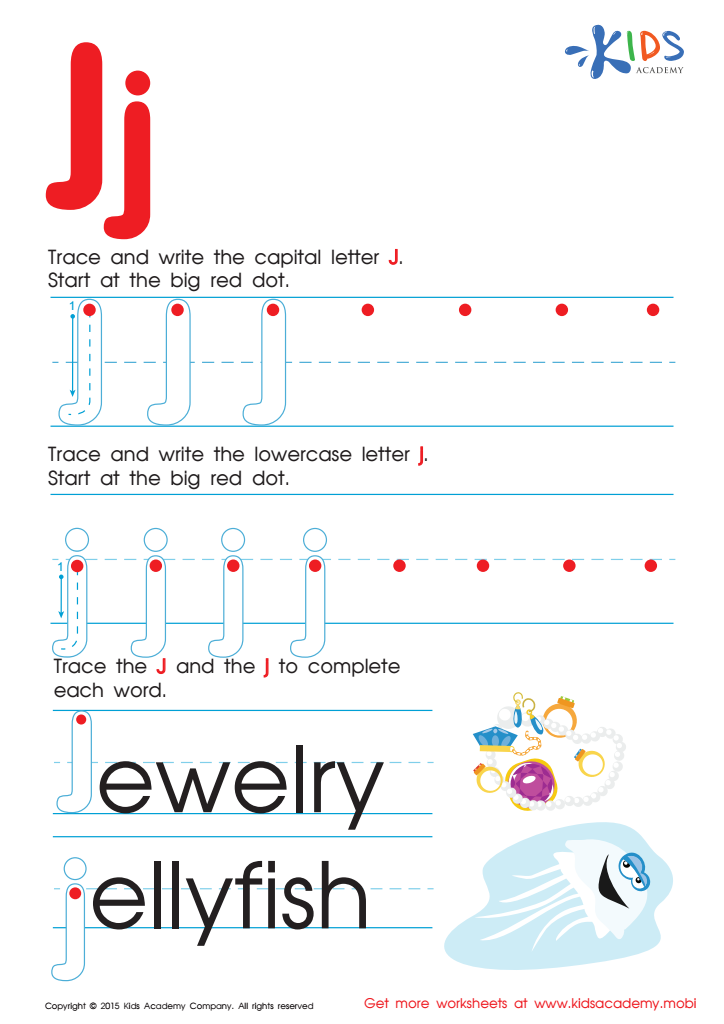
Letter J Tracing Page
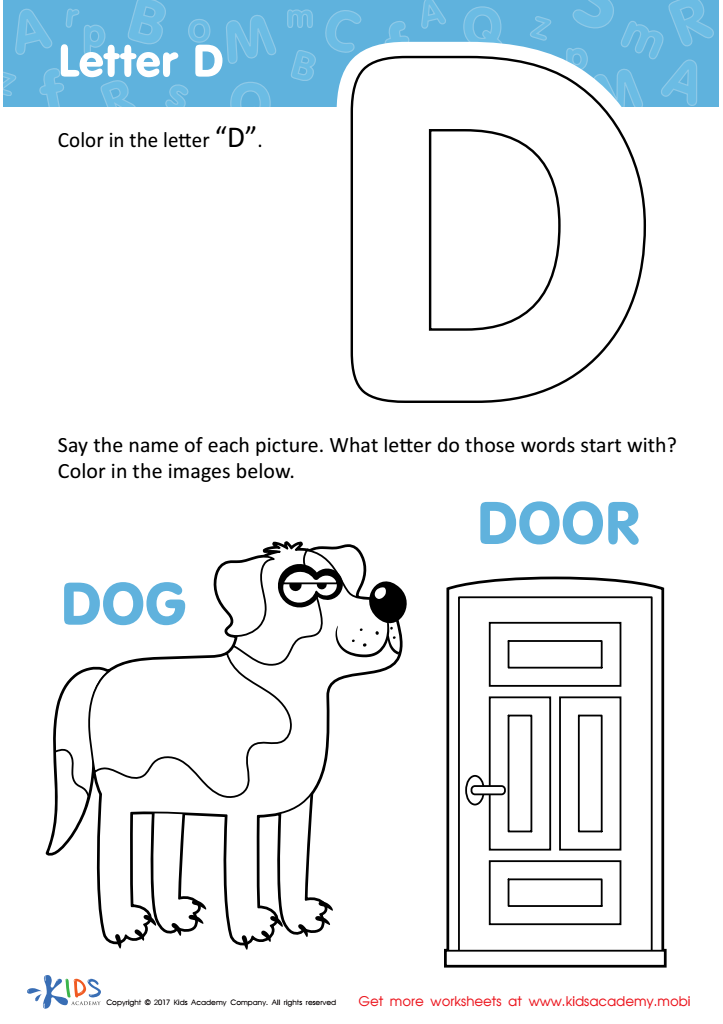
Letter D Coloring Sheet
 Assign to My Students
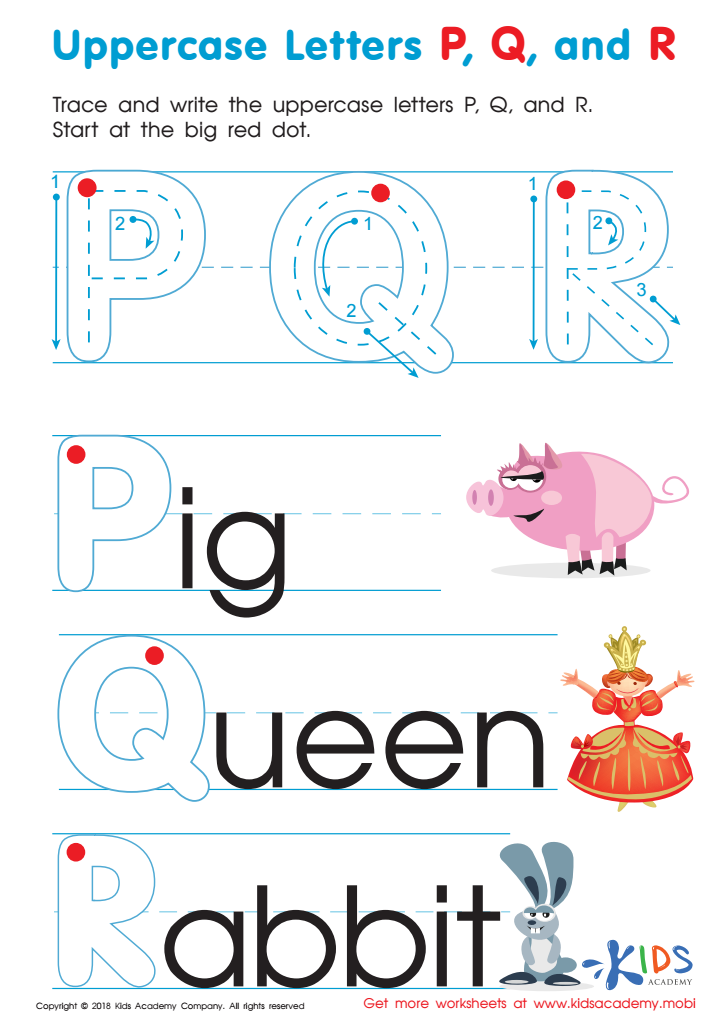
Uppercase Letters P, Q, and R Worksheet







.jpg)
Fine motor skills development in kindergarten is crucial for a child's overall growth and future success. These skills encompass the small movements of hands and fingers, helping children perform tasks like writing, buttoning clothing, and using scissors. Mastering fine motor skills is essential for independence in and out of the classroom. When children can manipulate objects effectively, they gain confidence and engage more actively in learning.
Furthermore, fine motor skills are linked to cognitive development. Activities that strengthen these skills often involve problem-solving and creativity, fostering critical thinking capabilities essential for academic success. Teachers and parents should prioritize fine motor activities, such as crafting, cutting, and writing, to support this development.
Collaboration between parents and teachers is vital in promoting fine motor skill growth. Parents can practice these skills at home through play-based learning, such as puzzles and building blocks, while teachers can incorporate targeted activities into the curriculum. By emphasizing fine motor skill development, we set students up for a successful and confident start in their educational journey, fostering a strong foundation for future learning, social interactions, and daily life skills. Ultimately, investing in this area benefits not just the child's present but strengthens their future abilities and capacities.